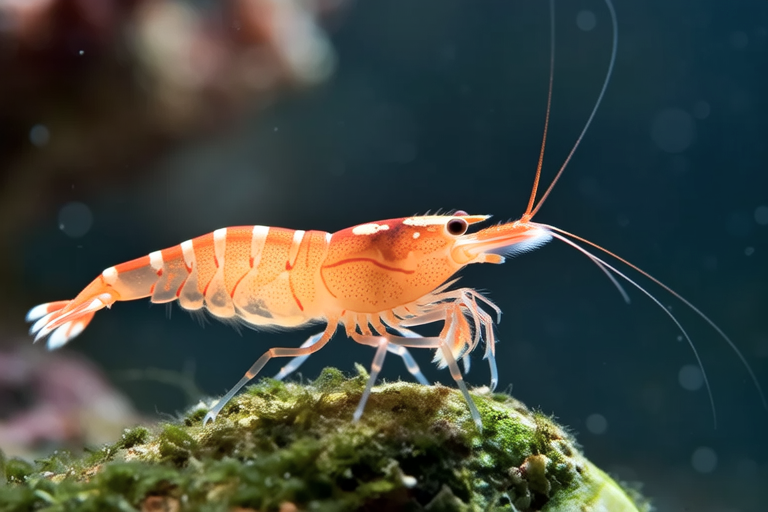
Coral Shrimp Companionship: Secrets to Keeping These Tiny Beauties Happy
Introduction
The world of freshwater aquariums is rich with colorful and fascinating creatures, and among them, coral shrimp have gained significant popularity for their charming appearance and gentle demeanor. These tiny beauties, with their vibrant hues and delicate movements, add a touch of elegance to any aquarium. Coral shrimp are not only visually appealing but also relatively easy to care for, making them a favorite choice for both novice and experienced aquarists. Their translucent bodies adorned with bright red or yellow spots make them stand out, creating a captivating spectacle in any tank.
Natural Habitat and Behaviors
To truly understand and appreciate coral shrimp, it’s essential to delve into their natural habitat and behaviors. Native to Southeast Asia, specifically the Mekong River basin, coral shrimp thrive in freshwater environments characterized by clear, flowing waters and abundant vegetation. They are primarily found in shallow, well-lit areas where they can scavenge for food among the substrate and plants. Understanding these natural conditions helps aquarists recreate an environment that mimics their native habitat, ensuring the well-being of their shrimp.
In the wild, coral shrimp are highly social creatures, often living in groups. They exhibit a variety of behaviors, such as cleaning algae from rocks and other surfaces, which not only benefits their health but also contributes to the overall cleanliness of their environment. In captivity, this behavior continues, making them valuable additions to any community tank. Observing their interactions and activities can provide endless entertainment and a deeper connection with these fascinating creatures.
Detailed Care Tips
Water Conditions
Maintaining optimal water conditions is crucial for the health and happiness of coral shrimp. They prefer slightly acidic to neutral water with a pH range between 6.5 and 7.5. The temperature should be kept stable within the range of 75°F to 82°F (24°C to 28°C). Regular monitoring of these parameters ensures a healthy environment for your shrimp. Additionally, maintaining a consistent water flow similar to their natural habitat is important, as it simulates their preferred aquatic conditions.
Diet Requirements
Coral shrimp are omnivorous, meaning they eat both plant-based and animal-based foods. In the wild, they feed on algae, decaying plant matter, and small aquatic organisms. In captivity, providing a varied diet is key to their well-being. A balanced diet should include high-quality flake food, sinking pellets, and occasional treats like blanched vegetables or frozen foods. It’s important to avoid overfeeding, as excess food can lead to poor water quality. Feeding them twice daily, in small quantities, will help maintain a clean and healthy tank.
Tank Setup Specifics
Setting up a suitable tank environment is vital for the comfort and happiness of coral shrimp. A minimum tank size of 10 gallons is recommended for a small group of shrimp. The tank should be well-planted with a mix of live and artificial plants to provide hiding places and a sense of security. Substrate should be fine and smooth, avoiding sharp-edged materials that could harm the shrimp. Adding driftwood and rocks further enhances the tank’s aesthetic appeal while offering additional hiding spots. Ensure there are no gaps or openings that could allow the shrimp to escape.
Selecting Compatible Tank Mates
Choosing the right tank mates for coral shrimp is crucial for maintaining a peaceful and harmonious aquarium. While coral shrimp are generally peaceful, they can become stressed if housed with aggressive or overly active fish. Suitable companions include small, non-aggressive species like cherry barbs, otocinclus catfish, and dwarf gouramis. Avoid larger, more boisterous fish like cichlids or aggressive species like tiger barbs. It’s also important to consider the compatibility of other bottom-dwelling species, ensuring they do not compete for the same resources.
Common Health Issues, Signs of Stress, and How to Address Them
Like any aquatic creature, coral shrimp can face health challenges. One common issue is molting, during which the shrimp shed their exoskeleton. This process is normal but requires careful observation. If the old shell remains in the tank, it can attract bacteria, leading to potential infections. Removing the old shell promptly and ensuring proper water conditions can prevent such complications.
Signs of stress in coral shrimp may include reduced activity, hiding excessively, or showing signs of physical distress such as torn limbs. To address these issues, first, check the water parameters for any deviations. Adjust the pH, temperature, and hardness as needed. Providing a stress-free environment with plenty of hiding spots and maintaining a stable water flow can help alleviate stress. Regular water changes and ensuring a balanced diet are also essential for promoting good health.
Observing and Enjoying Unique Behaviors
One of the greatest joys of keeping coral shrimp is watching their unique behaviors. Observing them as they scavenge for food, interact with their tank mates, and explore their surroundings can provide hours of entertainment. Take time to notice their subtle movements and interactions, which offer insight into their daily lives. Capturing these moments on video or through photography can create lasting memories and deepen your appreciation for these tiny beauties.
In conclusion, coral shrimp are delightful additions to any aquarium, offering both visual appeal and educational value. By understanding their natural habitat, providing appropriate care, and selecting compatible tank mates, you can ensure a happy and healthy environment for your shrimp. With patience and attention, you’ll be rewarded with the joy of observing their unique behaviors and the satisfaction of knowing you’ve provided a nurturing home for these charming creatures.
