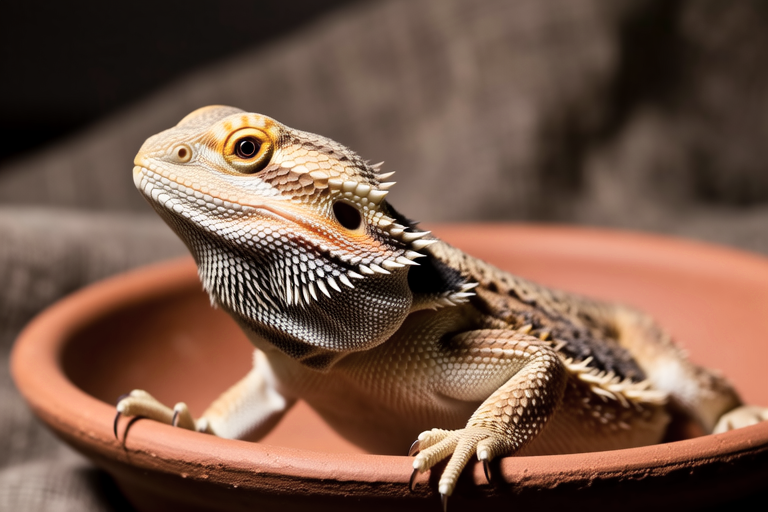
10 Fascinating Facts About Bearded Dragons That Will Amaze You
Bearded dragons, native to the arid regions of Australia, are among the most popular pet lizards in the world. Their friendly demeanor, vibrant colors, and unique behaviors make them a favorite for reptile enthusiasts. These fascinating creatures have many intriguing traits that go beyond their striking appearance. Below are ten remarkable facts about bearded dragons that will leave you in awe.
1. The Art of Puffing Up
One of the most recognizable features of bearded dragons is their ability to puff out their throats when threatened or during courtship displays. This behavior is meant to make them appear larger and more intimidating to potential predators or rivals. By expanding the skin under their chin, they create a ‘beard’ that can darken and become more pronounced, adding to their menacing look. This display is not only visually striking but also serves as an effective deterrent.
2. A Tail of Survival
The tail of a bearded dragon plays a crucial role in its survival. If a predator manages to grab hold of it, the dragon can voluntarily shed its tail in a process called autotomy. Once detached, the tail continues to wiggle, distracting the predator and allowing the lizard to escape. While the lost tail eventually regenerates, the new one is typically shorter and less functional than the original.
3. Sunbathing for Health
Bearded dragons are ectothermic, meaning they rely on external sources of heat to regulate their body temperature. One of their favorite pastimes is sunbathing, a behavior known as thermoregulation. By basking in the warmth of the sun, they can raise their body temperature, which aids in digestion and increases their metabolic rate. They often adopt a specific posture while sunbathing, with their arms stretched out and their bodies tilted toward the sun, maximizing their exposure to the rays.
4. Diverse Diet
These omnivorous lizards have a varied diet that includes both plant matter and small animals. In the wild, their menu consists of insects like crickets and mealworms, supplemented by fruits and vegetables such as leafy greens, carrots, and berries. Pet owners must replicate this diverse diet to ensure their bearded dragons receive all necessary nutrients. Providing a mix of live insects and fresh produce helps maintain optimal health and prevents deficiencies.
5. Communication Through Color
Bearded dragons possess the ability to change the color of their skin, a trait that allows them to communicate various emotions and intentions. When relaxed, their skin may appear dull or slightly lighter. However, during mating rituals or when feeling threatened, they can exhibit brighter, more vivid colors. This color-changing capability is particularly noticeable in males and is part of their repertoire for attracting mates and deterring competitors.
6. Unique Locomotion
Bearded dragons are adept climbers and can move quickly when needed. They have sharp claws that help them grip onto surfaces, making them efficient at scaling rocks and trees. Their agility is further enhanced by their strong hind legs, which allow them to leap impressive distances. This combination of climbing skills and jumping prowess enables them to evade predators and access food sources in their natural habitat.
7. Social Creatures
Contrary to the perception that reptiles are solitary animals, bearded dragons can form social bonds and exhibit complex interactions. In captivity, they may recognize their owners and respond positively to regular handling. They also engage in social behaviors with other bearded dragons, such as head bobbing, arm waving, and even gentle nudges. These actions serve as forms of communication and help establish hierarchies within groups.
8. Heat Sensitive Spots
Bearded dragons have specialized sensory organs located behind their eyes called pit organs. These organs are heat-sensitive and play a crucial role in detecting prey and navigating their environment. By sensing the infrared radiation emitted by warm-blooded animals, they can locate potential meals even in low-light conditions. This adaptation is particularly useful in the dimly lit Australian outback, where their keen thermal detection abilities give them a significant advantage.
9. Reproduction Rituals
The reproductive cycle of bearded dragons is both fascinating and intricate. Males perform elaborate courtship displays to attract females, including head bobbing, arm waving, and inflating their beards. If successful, the female will lay eggs after mating. She carefully selects a nesting site, usually a shallow burrow, and deposits around 20 eggs. The eggs require consistent warmth and humidity to incubate properly, with the sex of the hatchlings determined by the temperature during incubation.
10. Lifespan and Growth
With proper care, bearded dragons can live up to 10 years in captivity, making them a long-term companion for reptile enthusiasts. They grow rapidly during their first year, reaching adult size by the time they are one year old. Their growth rate slows down after this initial period, but they continue to develop strength and adaptability. Ensuring a balanced diet and providing adequate space for exercise contribute to their longevity and overall well-being.
In conclusion, bearded dragons are not just captivating pets but also marvels of nature. Their unique behaviors, physical adaptations, and social dynamics offer endless fascination for those who take the time to learn about them. Whether you’re a seasoned reptile keeper or simply curious about these amazing creatures, there’s always something new and exciting to discover about bearded dragons.
