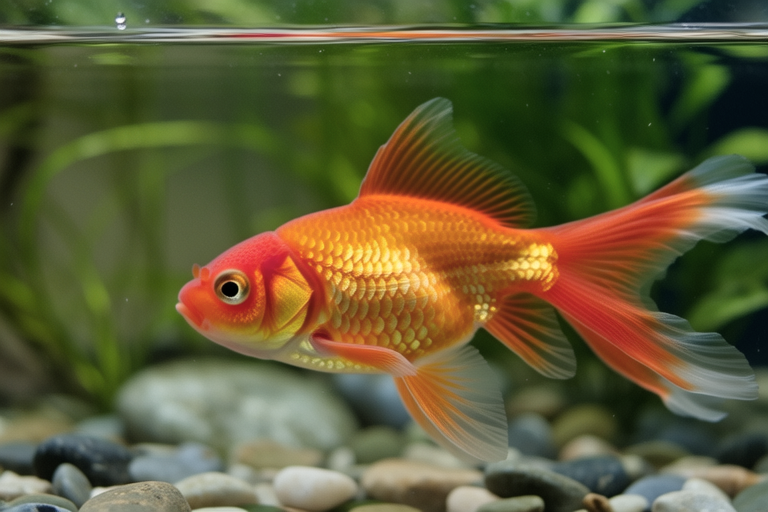
Goldfish Lifespan: Secrets to Helping Your Pet Live Longer
The goldfish is a beloved pet for many, known for its vibrant colors and graceful swimming. But did you know that these aquatic beauties have the potential to live much longer than their average lifespan? While the typical goldfish lives around 5 to 10 years, some have been known to reach ages of up to 30 years under optimal conditions. Understanding what affects their longevity and how to enhance it is crucial for any goldfish owner.
Factors Affecting Goldfish Longevity
The lifespan of a goldfish can be significantly influenced by several factors, including genetics, diet, environment, and healthcare. Genetics play a role, but they are not the only determinant. Proper nutrition, ideal living conditions, and maintaining excellent water quality are key to extending your goldfish’s life.
Proper Nutrition: The Foundation of Health
Feeding your goldfish a balanced diet is essential for their health and longevity. Goldfish require a variety of nutrients to thrive, including proteins, fats, carbohydrates, vitamins, and minerals. High-quality fish food formulated specifically for goldfish is a good starting point. These foods come in different forms such as pellets, flakes, and granules, each providing unique benefits. It’s important to feed your goldfish small amounts frequently, rather than large meals once a day, to prevent overfeeding and ensure efficient digestion.
Supplementing their diet with occasional treats like blanched vegetables (such as peas) and freeze-dried or live foods (like brine shrimp) can add variety and nutritional value. However, these should be given sparingly, as excessive feeding can lead to obesity and other health problems.
Ideal Living Conditions: Creating a Comfortable Environment
A well-designed aquarium setup is vital for the well-being of your goldfish. The size of the tank is crucial; the general rule is to provide at least 20 gallons of water per goldfish. Larger tanks allow more room for swimming and better water quality, which is especially important for long-term health. Goldfish are active swimmers, so they need ample space to move around comfortably.
In addition to size, the tank should be equipped with appropriate filtration systems, heaters (for coldwater species), and lighting. Regularly scheduled tank maintenance, including partial water changes and filter cleaning, ensures that the environment remains clean and healthy. Decorative elements like plants and rocks can also enhance the aesthetic appeal of the tank while providing hiding spots and stimulating natural behaviors.
Water Quality Maintenance: Keeping It Clean
Maintaining pristine water quality is one of the most critical aspects of goldfish care. Poor water conditions can lead to stress, disease, and shortened lifespans. Key parameters to monitor include temperature, pH levels, ammonia, nitrite, and nitrate concentrations. Regular testing kits are available to help you keep track of these metrics.
To maintain optimal water quality, perform weekly partial water changes (about 10-20% of the total volume) and ensure that your filtration system is functioning efficiently. Avoid overcrowding the tank, as this can exacerbate waste production and make it harder to manage water parameters effectively.
Common Health Issues and Prevention Tips
Despite your best efforts, goldfish may still encounter health issues. Common ailments include fin rot, ich (white spot disease), and swim bladder disorders. Early detection and treatment are vital for recovery.
- Fin Rot: Characterized by frayed or discolored fins, fin rot is often caused by poor water quality or bacterial infections. Regular water changes and maintaining high water quality can prevent this condition.
- Ich: Small white spots on the body or fins indicate ich. This parasitic infection requires prompt action, usually involving medication specifically designed to combat parasites. Quarantining new additions to the tank before introducing them to the main aquarium can reduce the risk of introducing parasites.
- Swim Bladder Disorder: Goldfish suffering from swim bladder disorder may float awkwardly or struggle to stay upright. Feeding them soft foods like cooked peas and avoiding overfeeding can help alleviate symptoms. If the problem persists, consult a veterinarian specializing in aquatic animals.
Regular Tank Cleaning: Ensuring a Healthy Habitat
Regular tank cleaning is essential for maintaining a healthy environment for your goldfish. In addition to weekly partial water changes, thorough cleaning of the tank every few months helps remove built-up debris and algae. During cleaning, be sure to carefully siphon out uneaten food and waste from the substrate. Be cautious not to disturb beneficial bacteria colonies present in the filter media, as they play a crucial role in breaking down harmful substances.
Using a gravel vacuum during water changes can help maintain cleanliness without disrupting the beneficial bacteria. Additionally, consider using an algae scrubber or magnetic cleaner to keep the glass surfaces free from unsightly growth.
Suitable Tank Mates: Harmony in the Aquarium
Selecting compatible tank mates is important for the social well-being of your goldfish. While goldfish are generally peaceful, they prefer the company of similarly sized fish that share similar environmental needs. Some suitable companions include other goldfish, certain varieties of loaches, and bottom-dwelling catfish. Avoid keeping goldfish with fast-swimming or aggressive species, as this can lead to stress and territorial disputes.
It’s also worth noting that goldfish are social creatures and tend to be happier when kept in groups. However, ensure that the tank size is adequate to accommodate all inhabitants comfortably.
Monitoring Goldfish Behavior: Signs of Aging or Illness
Regularly observing your goldfish can help you detect early signs of aging or illness. Healthy goldfish exhibit consistent eating habits, active swimming patterns, and clear eyes. Any noticeable changes in behavior, appetite, or physical appearance could indicate underlying health issues.
Signs of aging in goldfish might include slower movement, reduced activity levels, and changes in coloration. While these changes are normal, they should be monitored closely. If you notice any unusual behaviors or physical symptoms, consult a veterinarian experienced in treating aquatic animals for professional advice.
