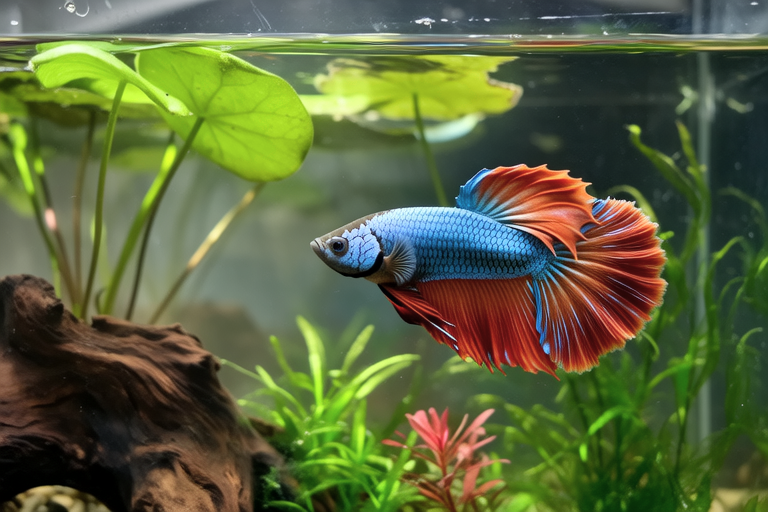
How to Create an Oasis for Your Betta: Tank Setup Guide
Welcome to your comprehensive guide on creating the perfect oasis for your betta fish! Betta fish, also known as Siamese fighting fish, are one of the most popular aquarium pets due to their vibrant colors and flowing fins. However, setting up a proper tank environment is crucial for their health and happiness. This guide will walk you through the essential steps to create an ideal habitat for your betta, ensuring they thrive in their new home.
Understanding Betta Fish Needs
Betta fish are native to the warm, slow-moving waters of Southeast Asia. In the wild, they live in shallow, densely vegetated areas with plenty of hiding spots and plants. To replicate this natural environment, it’s important to consider several factors when setting up your betta’s tank.
Tank Size
The first step in creating a suitable habitat for your betta is selecting the right tank size. While some people believe that bettas can live happily in small containers, this is a misconception. Bettas require more space than many other fish species to thrive. A minimum tank size of 5 gallons is recommended, but larger tanks (up to 10 gallons) offer better stability for water conditions and more swimming room for your betta.
Water Parameters
Water quality plays a vital role in the well-being of your betta. Maintaining optimal water parameters ensures that your fish remains healthy and stress-free. Here are the key water parameters to monitor:
- Temperature: Bettas prefer water temperatures between 76°F and 82°F (24°C and 28°C). Use a heater to maintain a consistent temperature.
- pH Levels: The ideal pH range for bettas is between 6.5 and 7.5. Regularly test your water and adjust accordingly using pH buffers if necessary.
- Ammonia and Nitrite: These compounds are toxic to fish and should be kept at 0 ppm. Establishing a nitrogen cycle in your tank helps reduce these levels naturally.
- Nitrate: While not as immediately harmful as ammonia or nitrite, nitrates should be kept below 20 ppm. Perform regular partial water changes to keep nitrate levels in check.
Filtration Systems
A reliable filtration system is essential for maintaining water quality. Choose a filter that provides gentle water flow without overwhelming your betta. Betta fish are labyrinth breathers, meaning they need access to the water surface for breathing. Therefore, avoid filters with strong currents that could make it difficult for your betta to reach the surface.
Canister filters, sponge filters, and corner filters are all good options for betta tanks. Additionally, incorporate biological media into your filter to support beneficial bacteria that aid in breaking down waste products.
Substrate Choices
The substrate you choose can enhance the aesthetic appeal of your tank while also providing a comfortable environment for your betta. Gravel, sand, and specialized betta substrates are popular choices. Avoid sharp or rough substrates that could damage your betta’s delicate fins. Additionally, consider the color and texture of the substrate to complement the overall look of your tank.
Appropriate Decorations
Decorations not only add visual interest to your tank but also serve functional purposes. Plants, caves, and driftwood provide hiding spots and resting places for your betta. Live plants like Java fern, Anubias, and Amazon swords are excellent choices as they help oxygenate the water and absorb toxins. If you prefer artificial plants, opt for high-quality, durable options that mimic the appearance of real plants.
Ensure that any decorations are safe for fish and free from sharp edges or small parts that could pose a choking hazard. Arrange the decorations to create distinct zones within the tank, offering your betta both open spaces for swimming and secluded areas for resting.
Lighting
Proper lighting enhances the beauty of your tank and supports the growth of live plants. Choose a light fixture that provides sufficient illumination without causing excessive heat buildup. LED lights are an excellent choice as they emit less heat and consume less energy compared to traditional incandescent bulbs.
Set a consistent lighting schedule, typically 8-12 hours per day, to simulate natural daylight cycles. This helps regulate your betta’s circadian rhythm and promotes healthy behavior.
Maintaining Water Quality
Regular maintenance is crucial for keeping your betta’s tank clean and healthy. Perform weekly partial water changes, removing approximately 20-30% of the water each time. Use a gravel vacuum to remove debris from the substrate during water changes.
Monitor water parameters regularly and address any issues promptly. Skim the surface of the water to remove any floating debris, and clean the filter media as needed. By maintaining a stable and clean environment, you’ll ensure your betta lives a long and happy life.
Choosing Compatible Tank Mates
While bettas are often sold as solitary fish, some hobbyists choose to house them with compatible tank mates. It’s important to select species that won’t bully or stress your betta. Good candidates include peaceful, non-aggressive fish such as cherry shrimp, ghost shrimp, and certain types of snails. Avoid keeping bettas with fin-nipping fish, aggressive species, or those that may compete for food.
If you decide to introduce tank mates, gradually acclimate them to the tank and monitor their interactions closely. Remember, each fish has its own personality, so what works for one betta might not work for another.
Conclusion
Creating an oasis for your betta requires attention to detail and a commitment to providing a nurturing environment. By following the steps outlined in this guide, you’ll set up a tank that meets all of your betta’s needs, ensuring they lead a healthy and fulfilling life. Remember to regularly monitor water quality, maintain the tank’s cleanliness, and provide a variety of hiding spots and swimming areas. With proper care and attention, your betta will thrive in its new home, bringing joy and beauty to your aquarium.
