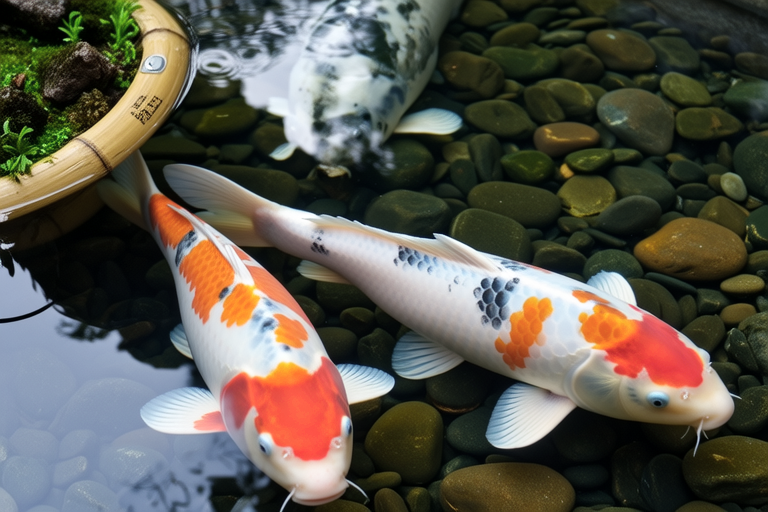
Koi Care Simplified: Expert Tips for Happy, Healthy Fish
Welcome to the vibrant world of koi fish! These beautiful creatures bring joy and tranquility to any pond or aquarium. However, maintaining their health and happiness requires dedication and attention to detail. In this guide, we will explore essential aspects of koi care, from water quality maintenance to seasonal adjustments, ensuring your koi thrive in their aquatic environment.
Optimal Water Quality Maintenance
The foundation of healthy koi begins with excellent water quality. Clean, oxygen-rich water is crucial for their survival. Regularly testing the water for pH levels, ammonia, nitrite, and nitrate ensures these parameters remain within safe limits. A stable pH between 7.2 and 8.0 is ideal, while ammonia and nitrite should be undetectable. Nitrate levels should not exceed 40 ppm.
Invest in a reliable filtration system to maintain clean water. Biological filters support beneficial bacteria that break down harmful waste products, keeping the water safe for your koi. Additionally, regular partial water changes (about 10% weekly) help remove accumulated toxins and refresh the environment.
Proper circulation is equally important. Ensure your pond has adequate aeration through waterfalls, fountains, or air pumps. This prevents stagnation and promotes oxygen exchange at the water surface. Remember, koi are cold-blooded, so they rely on external sources like water temperature and dissolved oxygen for their metabolic processes.
Suitable Diet for Koi Fish
A balanced diet is key to your koi’s overall health. Their nutritional needs vary based on age, size, and season. Young koi require more protein for growth, whereas adult koi benefit from a mix of protein, fats, carbohydrates, vitamins, and minerals.
High-quality commercial koi food forms the core of their diet. Look for sinking pellets designed specifically for koi, as floating foods can encourage surface feeding, which may lead to swim bladder issues. Feed your koi small portions multiple times daily, especially during warmer months when their metabolism is higher. Adjust the amount according to their appetite; overfeeding can cause water pollution and digestive problems.
Vary their diet with occasional treats such as boiled vegetables (e.g., zucchini, peas), freeze-dried shrimp, or live insects. These supplements provide additional nutrients and enrichment, stimulating natural feeding behaviors. However, avoid overindulgence in treats, as they might upset the balance of their primary diet.
Common Health Issues and Prevention Methods
Despite your best efforts, koi may still face health challenges. Early detection and prompt action are vital to prevent minor issues from escalating into serious conditions.
One common issue is fin rot, characterized by frayed or discolored fins. It often results from poor water quality or physical damage. To prevent fin rot, maintain pristine water conditions and avoid overcrowding. If symptoms appear, quarantine affected fish and treat them with appropriate medications under professional guidance.
Fungal infections, commonly known as “cotton wool disease,” manifest as fluffy white growths on the body or fins. They thrive in stressful environments, such as sudden temperature changes or low oxygen levels. Keeping the water clean and stable helps deter fungal growth. Should infection occur, isolate the fish and apply antifungal treatments.
Parasitic infestations, like ich (Ichthyophthirius multifiliis), present as tiny white spots on the skin. Ich thrives in cooler temperatures, so maintaining a steady warm climate helps suppress it. Increase the water temperature slightly if you notice signs of ich. Consult a veterinarian for specific treatment options.
Regular observation is critical. Monitor your koi for unusual behavior, such as lethargy, loss of appetite, or abnormal swimming patterns. Early intervention can make all the difference in managing potential health threats effectively.
Ideal Pond Setup
A well-designed pond provides a comfortable home for your koi. Start by selecting a location that receives ample sunlight but avoids direct exposure to harsh midday sun, which can raise water temperatures too high. Consider the surrounding landscape; avoid planting trees nearby, as falling leaves can pollute the water.
Pond depth plays a significant role in maintaining stable temperatures. Aim for a minimum depth of 6 feet to prevent freezing in winter and overheating in summer. Incorporate features like rocks, plants, and hiding spots to create diverse habitats within the pond. These elements stimulate natural behaviors and reduce stress.
Incorporate appropriate filtration systems and aeration devices to ensure water clarity and oxygen levels. Integrate UV sterilizers if necessary to control algae growth and improve water quality further. Finally, consider installing a biofilter, which supports beneficial bacteria colonies essential for breaking down waste products.
Seasonal Care Tips
Seasonal changes impact your koi’s environment and health. Adapting your care routine accordingly ensures they remain comfortable year-round.
During spring, perform thorough spring cleaning. Remove debris accumulated over winter and conduct extensive water changes. Inspect the filtration system and make necessary repairs. Gradually increase feeding as water temperatures rise and koi become more active.
Summer brings increased activity and breeding. Keep a close eye on water quality, as higher temperatures accelerate bacterial and algal growth. Provide shade to prevent excessive heating and monitor oxygen levels closely. Adjust feeding schedules to match increased metabolism, but avoid overfeeding.
Autumn signals preparation for winter. As temperatures drop, reduce feeding gradually until it stops completely once the water temperature falls below 50°F (10°C). This allows the koi’s metabolism to slow down and conserve energy. Prepare the pond for winter by removing excess organic matter and checking equipment for proper operation.
Winter requires vigilance against freezing temperatures. Install heaters if necessary to maintain a stable environment. Check for ice formation regularly and ensure there is always an opening for gas exchange. Monitor the pond’s condition throughout the colder months, addressing any issues promptly.
By following these expert tips, you can create a thriving habitat for your koi fish. Remember, the key to successful koi keeping lies in consistent observation, proactive management, and timely interventions. With dedication and care, your koi will reward you with years of enjoyment and companionship.
