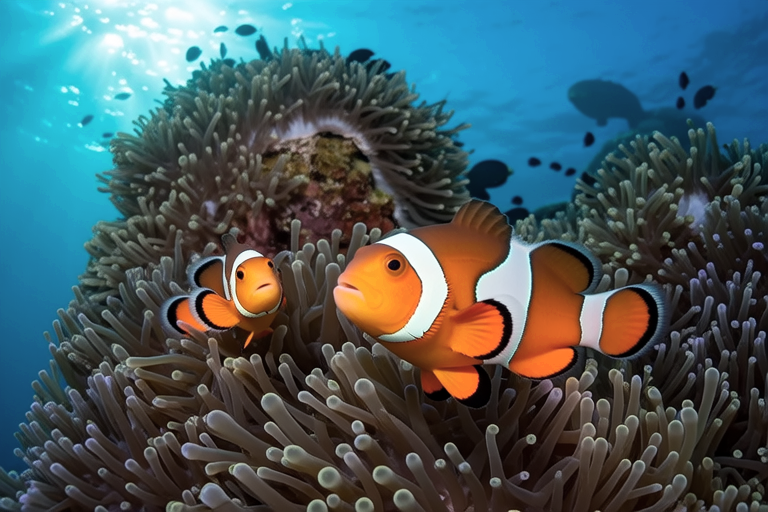
From Finding Nemo to Real Life: The True Adventures of Clownfish
The vibrant orange and white stripes of the clownfish have captivated audiences since the release of Disney-Pixar’s animated film Finding Nemo. This charming movie introduced millions of viewers to the world of clownfish and their underwater home, the Great Barrier Reef. However, while the film may have exaggerated some aspects of clownfish behavior for entertainment purposes, it has also sparked widespread interest in these remarkable creatures. In reality, clownfish lead complex lives filled with intricate relationships, dietary preferences, and significant challenges. Let us delve into the true adventures of clownfish, exploring their real-life habitats, behaviors, and the dangers they face in the wild.
The Popularity of Clownfish
Clownfish, also known as anemonefish, belong to the genus Amphiprion and the family Pomacentridae. There are 30 recognized species of clownfish, each with its own distinct patterns and colors. Their striking appearance and endearing nature have made them popular pets, especially after Finding Nemo. Despite their appeal, it is crucial to understand that these fish thrive best in their natural habitats and face numerous threats when removed from the ocean.
Life in the Ocean
In the vast expanse of the ocean, clownfish have adapted to live among the tentacles of sea anemones. These cnidarians provide the perfect environment for clownfish, offering shelter and protection from predators. The relationship between clownfish and sea anemones is a classic example of mutualism, where both species benefit from each other. The clownfish gain refuge within the stinging tentacles of the anemone, while the anemone benefits from the clownfish’s ability to lure prey and keep parasites away.
The Symbiotic Relationship
The clownfish’s ability to live among the anemone’s tentacles is due to a special mucus layer that coats their bodies, making them immune to the anemone’s stings. This adaptation allows the clownfish to navigate freely within the anemone without triggering the anemone’s defensive mechanism. In return, the clownfish assist the anemone by driving away potential predators, such as butterflyfish, and providing nutrients through their waste. Additionally, the clownfish’s movements help circulate water around the anemone, enhancing its feeding efficiency.
Habitat Preferences
Clownfish are typically found in coral reefs across the Indo-Pacific region, from the Red Sea to the Pacific Ocean. They prefer shallow waters, often no deeper than 15 meters, where the temperature remains warm and stable. The proximity to the surface allows for ample sunlight, which is essential for the photosynthesis process of the zooxanthellae algae living within the anemone. These algae contribute to the anemone’s nutrition and give it its characteristic green color.
Diet and Feeding Habits
Clownfish are omnivorous, meaning they consume both plant and animal matter. Their diet primarily consists of algae, zooplankton, and small crustaceans. In the wild, they actively hunt for food within their anemone’s tentacles, utilizing their agility and keen senses to locate prey. This varied diet ensures that clownfish receive a balanced intake of nutrients, supporting their growth and overall health.
Breeding Habits
Clownfish exhibit a unique reproductive strategy known as sequential hermaphroditism. All clownfish are born as males, but if the dominant female in the group dies, the most dominant male will undergo a sex change to become the new female. This transformation ensures the continuity of the group’s reproductive cycle. During spawning, the male prepares a nest on a rock or coral near the anemone, where he carefully tends to the eggs until they hatch.
Challenges in the Wild
Despite their adaptations and symbiotic relationships, clownfish face significant challenges in the wild. Coral bleaching, caused by rising ocean temperatures and pollution, poses a severe threat to their habitats. As corals die, the anemones that rely on them for survival also perish, leaving clownfish vulnerable to predation and environmental stress. Additionally, overfishing, coastal development, and pollution further degrade the quality of their habitats, reducing the availability of resources and safe spaces for clownfish.
Conservation Efforts
To address these challenges, various organizations and initiatives have been established to protect clownfish and their habitats. Marine protected areas (MPAs) have been created to limit fishing activities and promote the recovery of damaged ecosystems. Coral restoration projects aim to replant and rehabilitate degraded reefs, providing new homes for anemones and clownfish. Furthermore, awareness campaigns educate the public on the importance of sustainable practices and responsible tourism.
What You Can Do to Help
There are several actions individuals can take to support the conservation of clownfish:
- Support sustainable seafood choices: By choosing sustainably sourced seafood, you can reduce the demand for overfished species and promote responsible fishing practices.
- Reduce plastic consumption: Plastic waste pollutes the oceans and harms marine life. Opting for reusable alternatives and properly disposing of waste can significantly decrease the amount of plastic entering the ocean.
- Participate in beach clean-ups: Joining local clean-up events helps remove debris from beaches and coastal areas, preventing it from reaching the ocean.
- Advocate for marine conservation: Raising awareness about the importance of protecting marine ecosystems and advocating for stronger policies can drive positive change.
By taking these steps, we can all contribute to the preservation of clownfish and their vital role in maintaining healthy coral reef ecosystems.
Conclusion
From the enchanting world of Finding Nemo to the real-life adventures of clownfish, these remarkable creatures continue to fascinate and inspire. Their symbiotic relationship with sea anemones, unique breeding habits, and resilience in the face of environmental challenges highlight the complexity and beauty of marine life. Through increased awareness and collective action, we can ensure the survival of clownfish and the vibrant ecosystems they inhabit. Let us embrace our responsibility as stewards of the ocean and work together to protect these fascinating creatures for generations to come.
