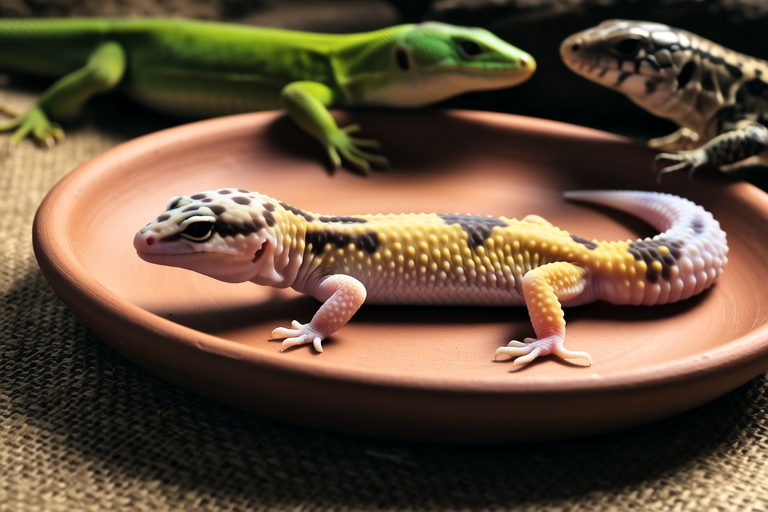
Leopard Geckos: The Perfect Reptile Pet
Welcome to the fascinating world of reptiles! Among the diverse array of scaly companions, one stands out as particularly charming and easy to care for: the Leopard Gecko (Eublepharis macularius). Known for their docile nature, simple care routines, and striking appearance, Leopard Geckos have become a favorite among both novice and experienced reptile enthusiasts. This article will explore the unique characteristics of Leopard Geckos and compare them to other popular reptile pets, including bearded dragons, chameleons, and snakes. We’ll also provide essential tips for potential owners to ensure they make the best choice for their lifestyle.
The Unique Characteristics of Leopard Geckos
Leopard Geckos are small lizards native to the arid regions of Pakistan, Afghanistan, and India. These geckos are easily recognizable due to their distinctive spots, which resemble leopard prints, giving them their name. Their docile temperament makes them ideal pets, especially for first-time reptile owners. Unlike many other gecko species, Leopard Geckos possess moveable eyelids, allowing them to blink, and lack adhesive toe pads, making them less adept at climbing smooth surfaces. This combination of traits contributes to their ease of handling and maintenance.
One of the most appealing aspects of Leopard Geckos is their straightforward dietary needs. They are insectivores, primarily feeding on crickets, mealworms, and wax worms. Owners can offer these insects daily, supplemented with calcium and vitamin D3 powders to ensure proper nutrition. Additionally, Leopard Geckos can store fat in their tails, providing them with energy reserves during periods of reduced food intake. This feature allows for more flexibility in feeding schedules compared to other reptiles.
Another advantage of keeping Leopard Geckos is their relatively low space requirements. A standard 10-gallon tank is sufficient for one adult gecko, although larger enclosures are recommended for multiple geckos. The enclosure should include hiding spots, a shallow water dish, and a substrate that promotes natural behavior while minimizing the risk of impaction. Common choices include coconut fiber, paper towels, or reptile carpet. Maintaining a warm basking area (around 88-90°F) and a cooler side (75-80°F) within the enclosure is crucial for their well-being.
Comparison with Bearded Dragons
Bearded Dragons (Pogona vitticeps) are another popular choice for reptile enthusiasts. Originating from the semi-arid regions of Australia, these lizards are known for their friendly demeanor and vibrant colors. However, their care requirements differ significantly from those of Leopard Geckos.
Bearded Dragons require a larger vivarium, typically starting at 40 gallons for a single adult, and need ample space for climbing and exploring. Their diet consists mainly of vegetables, fruits, and insects, requiring more frequent feeding and variety. They also demand higher temperatures, with a basking spot reaching up to 100°F. While Bearded Dragons are generally docile, they can display more aggressive behaviors during mating season, which may not be suitable for all owners.
In contrast, Leopard Geckos are smaller and more manageable, making them a better fit for apartment living or those with limited space. Their simpler dietary needs and lower maintenance requirements also appeal to individuals seeking a low-stress pet. For those interested in interacting with their reptile companions, both species can be handled regularly, but Leopard Geckos tend to tolerate gentle handling better, especially for初次见面
