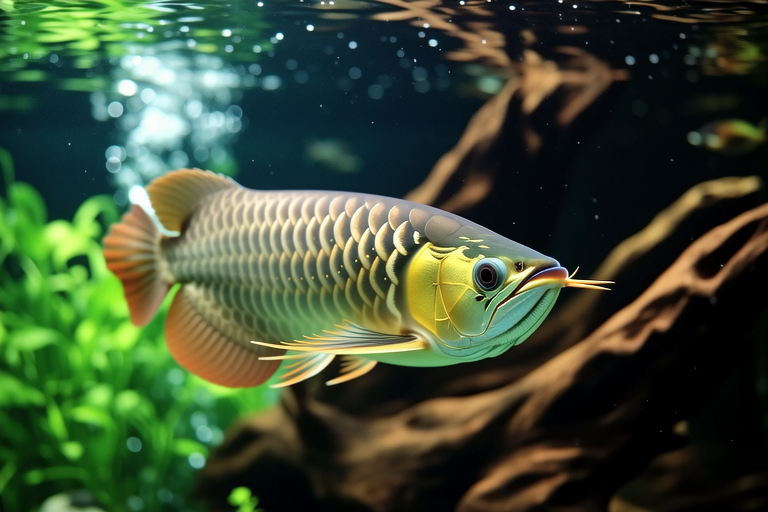
From Amazon to Aquarium: Discovering the Enigmatic Arowana
The arowana, a fascinating creature that has captured the imagination of many, is one of the most exotic and sought-after fish species in the aquarium trade. Originating from the Amazon River basin, these prehistoric-looking fish have been swimming through the waters of South America for millions of years. Their unique physical characteristics, rich cultural significance, and intriguing behavior make them a captivating subject for enthusiasts and casual observers alike.
Arowana Origins
The arowana, also known as the dragonfish, hails from the Amazon River basin in South America. This region, characterized by its vast network of rivers, swamps, and floodplains, provides the ideal environment for these remarkable creatures. The Amazon River basin is home to a diverse array of aquatic life, and the arowana has adapted perfectly to thrive in these waters. These fish are typically found in slow-moving rivers, creeks, and flooded forests where they can find ample food and shelter.
Physical Characteristics
One of the most striking features of the arowana is its elongated body, which can grow up to three feet in length. This sleek physique is complemented by their large, powerful pectoral fins, which allow them to glide effortlessly through the water. Another distinguishing characteristic of the arowana is its shimmering, metallic scales, which can range in color from silver to green, depending on the species. These scales not only provide protection but also contribute to their mesmerizing appearance.
Cultural Significance
The arowana holds significant cultural importance in various parts of the world. In Asia, particularly in countries like Malaysia, Singapore, and Indonesia, the arowana is often considered a symbol of good luck and prosperity. Many believe that keeping an arowana in the home can bring financial success and protect against evil spirits. This belief has led to the arowana being a popular choice for aquariums in homes and businesses.
In addition to its symbolic value, the arowana has also played a role in folklore and mythology. One legend tells of a giant arowana that was once a human who was transformed into a fish as punishment for his misdeeds. This tale reflects the deep respect and awe that people have for these majestic creatures.
Behavior and Habitat Preferences
Wild arowanas are territorial and aggressive predators. They are known for their ability to leap out of the water to catch prey, making them formidable hunters. In their natural habitat, arowanas feed primarily on insects, small fish, and crustaceans. They are also known to eat birds and bats that come too close to the water’s surface. Their hunting prowess is further enhanced by their excellent eyesight, which allows them to spot potential prey even in low-light conditions.
When it comes to habitat preferences, arowanas are adaptable but still require specific conditions to thrive. They prefer warm, well-oxygenated water with a pH level between 6.0 and 7.5. In the wild, they inhabit areas with dense vegetation, providing them with hiding spots and shade. In aquarium settings, it is essential to replicate these conditions as closely as possible to ensure the health and happiness of your arowana.
Tips for Aquarium Owners
For those considering adding an arowana to their aquarium, there are several important factors to consider. First and foremost, tank size is crucial. Due to their size and activity level, arowanas require a large tank—ideally at least 200 gallons or more—to accommodate their needs. Additionally, the tank should be equipped with a strong filtration system to maintain water quality and provide sufficient oxygenation.
Water conditions are equally important. Arowanas prefer slightly acidic water with a temperature range of 78-84°F (25-29°C). Regular water changes and monitoring of water parameters are necessary to ensure optimal conditions. It is also advisable to provide plenty of hiding places and plants to mimic their natural habitat.
When it comes to tank mates, caution is advised. Arowanas are aggressive and territorial, so they should be housed alone or with similarly sized, non-aggressive fish. Some suitable tank mates include other large, peaceful species like pacu or catfish. However, it is essential to research compatibility thoroughly before introducing new fish to the tank.
Challenges and Rewards of Owning an Arowana
Owning an arowana can be a rewarding experience, but it also comes with its share of challenges. The initial investment in a large tank, proper filtration, and suitable water conditions can be substantial. Additionally, the high cost of purchasing an arowana can be a barrier for some enthusiasts. However, the satisfaction of caring for such a magnificent creature and witnessing its graceful movements can make all the effort worthwhile.
It is important to approach arowana ownership with responsibility and consideration for conservation efforts. Many species of arowana are threatened due to overfishing and habitat destruction. As a result, it is crucial to purchase captive-bred specimens from reputable breeders to help preserve wild populations. By doing so, you can enjoy the beauty of these ancient fish while contributing to their long-term survival.
In conclusion, the arowana is a truly enigmatic and captivating fish that has fascinated humans for centuries. From its origins in the Amazon River basin to its place in modern aquariums, this majestic creature continues to inspire awe and admiration. By understanding its unique characteristics, cultural significance, and care requirements, we can ensure that arowanas remain a cherished part of our aquatic world for generations to come.
