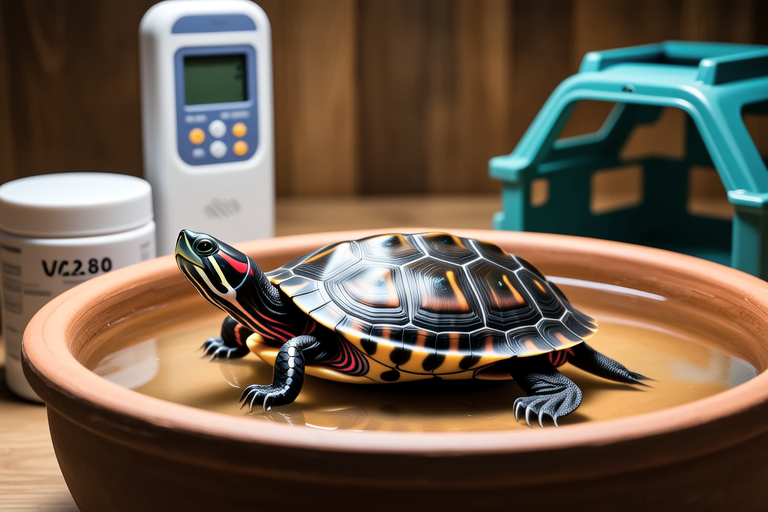
Red-Eared Slider Care Mistakes You Didn’t Know Were Happening!
Red-eared sliders are popular pets for their charming demeanor and relatively low maintenance. However, many turtle owners, both new and seasoned, may overlook certain aspects of their care that can lead to suboptimal conditions. This article aims to highlight common yet overlooked errors in caring for red-eared sliders, providing practical advice and corrective measures to ensure your turtle’s well-being.
Habitat Setup Mistakes
One of the most critical aspects of red-eared slider care is setting up the right habitat. Many owners might not realize they are making crucial mistakes that could affect their pet’s health.
Insufficient Water Depth
Many turtle owners underestimate the depth of water required for their sliders. Red-eared sliders need enough space to swim freely and dive to the bottom of their tank. A rule of thumb is to provide at least 10 gallons of water per inch of shell length. If you have a fully grown adult with a 6-inch shell, that means 60 gallons of water.
Corrective Measures: Upgrade your turtle’s tank to accommodate the recommended water depth. Ensure there’s ample space for swimming and basking. Adding a water filter will also help maintain water quality.
Lack of UVB Lighting
UVB light is essential for calcium metabolism and overall health. Without it, your turtle can develop metabolic bone disease. Many owners neglect this aspect, assuming that the natural sunlight through a window is sufficient.
Corrective Measures: Invest in a high-quality UVB lamp designed for reptiles. Place it within 12 inches of where your turtle basks, and ensure it provides 10% UVB intensity. Replace the bulb every six months as UVB output degrades over time.
Basking Area Misplacement
The basking area should be easily accessible from the water and positioned to receive direct UVB light. Some owners place the basking platform too far from the UVB light or in a shaded part of the enclosure.
Corrective Measures: Position the basking area under the UVB light and ensure it’s close enough for effective heat absorption. The temperature should range between 85°F and 95°F.
Dietary Mistakes
Proper nutrition is vital for the health and longevity of your red-eared slider. Below are some dietary mistakes often made by owners.
Overfeeding
Feeding your turtle too much can lead to obesity and other health issues. Overfeeding can also result in poor water quality due to uneaten food decaying in the water.
Corrective Measures: Feed your turtle only what they can consume in 10-15 minutes. Offer a varied diet that includes commercial pellets, leafy greens, and occasional treats like earthworms or mealworms.
Inadequate Nutritional Balance
A balanced diet is necessary for proper growth and health. Many owners rely solely on commercial pellets, which might lack essential nutrients.
Corrective Measures: Supplement their diet with calcium-rich foods like collard greens, mustard greens, and occasional small amounts of fish. Avoid iceberg lettuce and spinach as they have little nutritional value.
Feeding Frequency
Younger turtles require more frequent feedings compared to adults. Overlooking this can lead to malnutrition.
Corrective Measures: Feed juveniles daily and adults every two to three days. Adjust based on their activity level and body condition.
Handling Mistakes
Red-eared sliders are generally docile, but improper handling can stress them out or cause physical harm.
Overhandling
Turtles are wild animals, even if they are domesticated. Excessive handling can cause undue stress and potentially lead to health issues.
Corrective Measures: Handle your turtle only when necessary, such as during cleaning or health checks. When you do handle them, support their entire body to avoid stressing them.
Poor Handling Techniques
Improper lifting can injure your turtle. Many owners grab them by the edges of the shell, which can damage their internal organs.
Corrective Measures: Always lift your turtle by supporting its body under the shell and legs. Be gentle and avoid sudden movements.
Stressful Environments
Placing your turtle in environments that are too noisy or crowded can increase stress levels.
Corrective Measures: Ensure your turtle has a quiet, secure environment. Reduce external stimuli that can cause stress, such as loud noises or frequent disturbances.
Health Monitoring Mistakes
Maintaining the health of your red-eared slider requires vigilant monitoring. Neglecting this can lead to undiagnosed health problems.
Ignoring Signs of Illness
Turtles can show subtle signs of illness, such as lethargy, loss of appetite, or abnormal behavior. Owners may overlook these signs, delaying treatment.
Corrective Measures: Regularly observe your turtle for any changes in behavior or appearance. Consult a veterinarian specializing in reptiles if you notice anything unusual.
Inadequate Vet Visits
Annual check-ups are crucial for maintaining your turtle’s health. Many owners skip these visits, thinking their pet is fine.
Corrective Measures: Schedule regular vet appointments. Early detection of health issues can prevent serious complications.
Failure to Clean the Habitat
Dirty tanks can harbor bacteria and parasites, leading to infections and diseases. Cleaning the habitat regularly is essential for preventing these issues.
Corrective Measures: Perform a thorough cleaning of the tank at least once a week. Remove uneaten food and waste promptly. Use appropriate disinfectants and rinse thoroughly before refilling the tank.
Understanding Your Turtle’s Needs
Red-eared sliders are fascinating creatures with specific needs that must be met for optimal care. By being aware of common care mistakes and taking corrective actions, you can provide a healthy and happy life for your turtle. Remember, each turtle is unique, so pay attention to individual behaviors and preferences to tailor their care accordingly.
With the right knowledge and dedication, you can ensure your red-eared slider thrives in its home. Enjoy the rewarding experience of owning one of these delightful reptiles!
