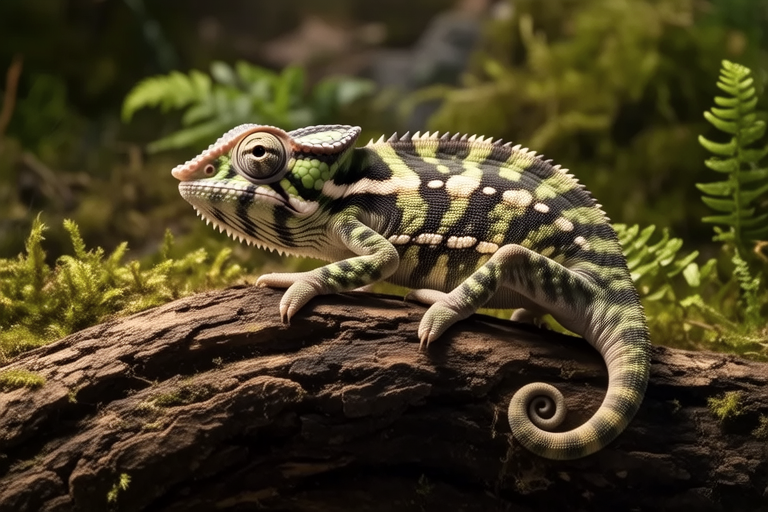
Chameleon Care Made Easy: A Beginner’s Guide to Keeping These Unique Pets Happy and Healthy
Welcome to the fascinating world of chameleons! These reptiles are not just another pet; they are unique creatures that captivate the imagination with their ability to change colors, their distinctive appearance, and their intriguing behavior. Chameleons come in various species, each with its own set of requirements, but all share the same captivating charm. If you’re thinking about bringing one of these fascinating lizards into your home, this guide will provide you with everything you need to know to keep your chameleon happy and healthy.
Understanding Chameleons
Chameleons are known for their ability to change color, which they use to communicate, regulate body temperature, and blend into their environment. Their eyes can move independently, allowing them to see in two different directions at once. They have long tongues that can extend to catch prey from a distance, and their feet are specially adapted for gripping branches. These traits make chameleons both interesting and challenging pets to care for.
Setting Up the Right Habitat
The first step in providing a healthy environment for your chameleon is creating a suitable habitat. Chameleons require a spacious, well-ventilated enclosure that mimics their natural environment. The size of the enclosure depends on the species, but a good rule of thumb is to provide at least 24 inches of height and width for smaller species, with larger species requiring even more space.
Choose a screen-sided enclosure to ensure proper ventilation. Avoid glass tanks as they don’t allow for adequate air circulation and can cause respiratory problems. Place the enclosure in a quiet area away from direct sunlight and drafts. This setup will help your chameleon thrive by minimizing stress and providing a stable environment.
Essential Equipment
To maintain optimal conditions within the enclosure, you’ll need several pieces of equipment:
- Heating: Chameleons need a basking spot with temperatures between 85°F and 95°F (29°C to 35°C). Use a heat lamp or ceramic heat emitter to achieve this. Ensure the heat source is placed above the enclosure to avoid burns.
- Lighting: Provide UVB lighting to assist in calcium absorption and prevent metabolic bone disease. Replace the bulb every six months to ensure it remains effective. Full-spectrum lighting also helps in maintaining the chameleon’s natural behaviors.
- Humidity: Most chameleons require humidity levels between 40% and 70%. Use a hygrometer to monitor humidity levels and mist the enclosure regularly to maintain the correct moisture level.
- Branches and Plants: Chameleons love climbing and need plenty of vertical space. Incorporate sturdy branches and live or artificial plants for them to explore and bask on.
Diet and Feeding Tips
Chameleons are insectivores, meaning their diet consists primarily of insects. Offer a variety of appropriately sized prey items such as crickets, mealworms, and dubia roaches. Dust the insects with a calcium supplement twice a week and a multivitamin once a week. Feed your chameleon daily, ensuring that the insects are no larger than the space between their eyes to prevent choking.
Always remove uneaten food from the enclosure to prevent contamination. You can hand-feed your chameleon, but be cautious, as they may bite if they mistake your fingers for food.
Handling and Social Interaction Guidelines
Chameleons are solitary animals and do not enjoy being handled frequently. Limit handling sessions to once or twice a week and keep them short to minimize stress. Always wash your hands before and after handling to prevent the spread of bacteria. Support your chameleon properly by holding it gently around the torso, avoiding pressure on its delicate ribs. Never restrain or force your chameleon to interact.
While chameleons are not social animals, they can recognize their caregivers and may become more comfortable over time. Spend time near their enclosure, talking softly, and offering treats to build trust.
Common Health Issues and Signs of a Healthy Chameleon
Regular monitoring of your chameleon’s behavior and physical condition is crucial for early detection of any health issues. Some common health problems include:
- Mouth Rot: Characterized by swelling, redness, and discharge around the mouth. Prompt veterinary care is necessary.
- Metabolic Bone Disease: Caused by a lack of calcium or vitamin D3. Symptoms include softening of the bones, lethargy, and difficulty moving.
- Respiratory Infections: Indicated by wheezing, nasal discharge, and labored breathing. Immediate medical attention is required.
A healthy chameleon displays clear eyes, active movement, and a strong appetite. Regular shedding is normal, and they should have bright, alert eyes. If you notice any unusual behavior or symptoms, consult a veterinarian specializing in exotic pets.
Where to Get More Information and Support
Becoming a responsible chameleon owner involves continuous learning. Join local or online communities dedicated to chameleon care to connect with experienced owners and veterinarians. Books and reputable websites offer valuable insights and tips. Always consult a professional if you have specific concerns about your chameleon’s health or care.
Raising a chameleon is a rewarding experience that requires dedication and knowledge. By following the guidelines outlined in this article, you can provide your chameleon with a safe, enriching environment. Remember, patience and consistency are key to building a trusting relationship with your unique pet. Enjoy the journey of caring for one of nature’s most fascinating creatures!
