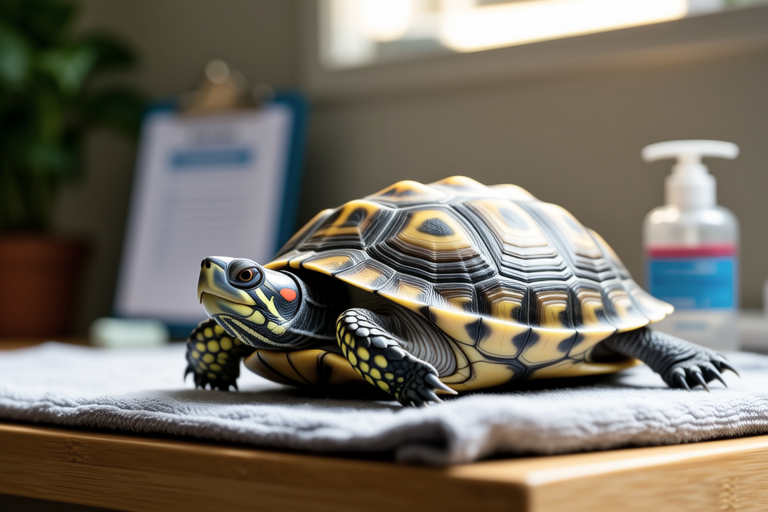
Rescuing and Rehabilitating Injured Three-Striped Box Turtles
The three-striped box turtle (Chrysemys scripta trivittata) is a small, terrestrial turtle native to North America. Known for its distinctive yellow stripes that run along its head and legs, this turtle is a vital part of many ecosystems. However, like many wildlife species, they face numerous threats that can lead to injuries. This article will guide you through the process of rescuing, rehabilitating, and eventually releasing these turtles back into their natural habitats.
Introduction to the Species
The three-striped box turtle is a subspecies of the eastern box turtle. They typically grow up to 6 inches in length and have a high-domed shell. Their diet consists mainly of insects, plants, and fruits. These turtles are known for their longevity, with some individuals living over 100 years in the wild. Unfortunately, due to habitat loss, road accidents, and predation, many of these turtles end up injured or sick. It is crucial to understand the basics of their biology to provide appropriate care when they need it.
Common Causes of Injury
Three-striped box turtles face several dangers in their environment that can cause injury. One of the most common is being hit by cars while crossing roads. Other frequent threats include attacks from predators such as raccoons, dogs, and birds of prey. Additionally, habitat destruction can force these turtles into areas where they may encounter more hazards. Understanding these risks helps in recognizing signs of distress and taking immediate action.
Step-by-Step Rescue Procedures
- Assess the Situation: Before handling the turtle, ensure your safety and that of the animal. Approach slowly and avoid sudden movements that could startle it.
- Handle Gently: Use gloves if necessary but handle the turtle gently, supporting its body and shell. Avoid lifting it by its limbs or tail.
- Check for Injuries: Inspect the turtle carefully for any visible wounds, fractures, or signs of internal damage. Look for blood, swelling, or abnormal behavior.
- Transport Safely: Place the turtle in a secure container lined with soft material like towels. Keep the container ventilated and avoid excessive handling during transport.
- Seek Professional Help: Contact local wildlife rehabilitation centers or veterinarians specializing in reptiles for further assistance.
Necessary Rehabilitation Techniques
Once at a rehabilitation center, the injured turtle undergoes a series of treatments aimed at healing its injuries and restoring health. Veterinarians may perform X-rays, administer antibiotics, and treat external wounds. During this period, turtles require a stable environment free from stressors.
Diet and Habitat Requirements During Recovery
Proper nutrition plays a critical role in the recovery process. Provide a balanced diet rich in protein, vitamins, and minerals. Fresh water should always be available. The habitat must mimic their natural surroundings as closely as possible. A warm basking area, hiding spots, and clean substrate are essential components of the enclosure.
Potential Long-Term Effects on Injured Turtles
Injured turtles might experience long-term effects depending on the severity of their injuries. Some may suffer from reduced mobility or permanent deformities. Others might develop chronic conditions requiring ongoing care. Despite these challenges, many turtles can still lead healthy lives after rehabilitation.
Tips for Releasing Them Back Into the Wild
Before releasing a rehabilitated turtle, ensure it has fully recovered and can fend for itself. Choose a location similar to its original habitat. Release early in the morning or late afternoon when temperatures are cooler. Monitor the turtle briefly after release to ensure it adapts well.
Success Stories of Rehabilitated Turtles
Several success stories highlight the positive impact of rehabilitation efforts. For instance, a turtle severely injured by a car accident was successfully treated and released back into its natural habitat. Another example includes a turtle rescued from a predator attack which, after months of care, regained full mobility and strength.
Conclusion
Rescuing and rehabilitating injured three-striped box turtles is an essential aspect of wildlife conservation. By understanding the needs of these animals and following best practices for their care, we contribute significantly to preserving this unique species. Each saved turtle represents hope for future generations and underscores the importance of our commitment to nature.
