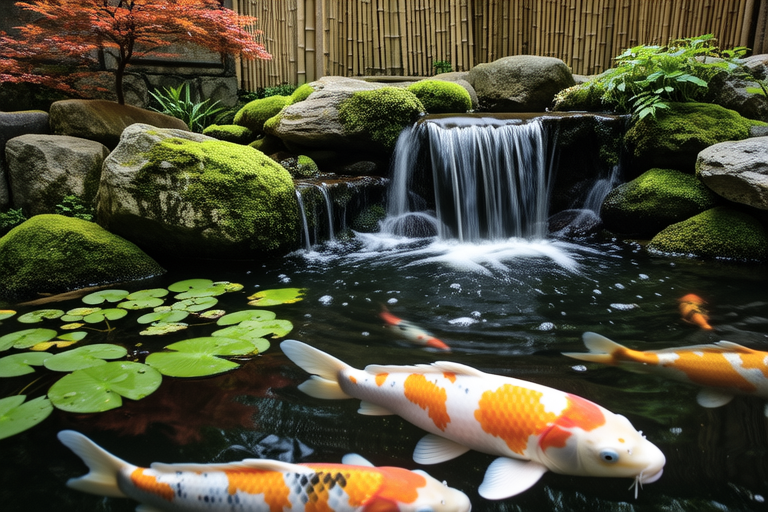
How to Create an Oasis: Ultimate Koi Habitat Design Tips
Welcome to the world of koi keeping! Creating a perfect habitat for your koi is a blend of art and science, requiring careful planning and attention to detail. This comprehensive guide will walk you through every step, from selecting the ideal pond location to maintaining the perfect environment for your aquatic companions.
Selecting the Right Pond Location
The first step in creating a koi habitat is choosing the right location for your pond. Ideally, your pond should be placed in a spot that receives partial sunlight throughout the day. Too much direct sunlight can lead to excessive algae growth, while too little might result in poor plant growth. Ensure the site is level and away from strong winds, which can cause water splashing and erosion. Additionally, consider proximity to power outlets for easy installation of filtration and aeration systems.
Determining the Ideal Size and Depth
The size and depth of your pond play crucial roles in maintaining a healthy ecosystem for your koi. A general rule of thumb is to provide at least 20 gallons of water per inch of koi. For instance, if you plan on keeping two 18-inch koi, your pond should hold approximately 720 gallons of water. Depth is equally important; a minimum depth of three feet is recommended to ensure sufficient oxygen levels and protection against extreme temperatures.
Filtration Systems for Water Quality
Effective filtration is key to maintaining clean, clear water. Biological filters promote beneficial bacteria that break down waste, while mechanical filters trap debris before it can settle and decompose. Choose a filter that matches your pond’s volume and ensures adequate flow rates. Regularly cleaning and maintaining your filter system will keep your water sparkling and your koi healthy.
Proper Aeration Techniques
Adequate oxygenation is vital for the well-being of your koi. Incorporate air pumps and diffusers to introduce bubbles into the water, which helps dissolve oxygen into the water column. Floating fountains or waterfalls also serve dual purposes by adding oxygen and enhancing the aesthetic appeal of your pond.
Ideal Temperature Maintenance
Koi thrive in waters ranging between 68°F and 74°F (20°C to 23°C). To maintain these optimal conditions, especially during colder months, consider installing a heater. In warmer climates, shade structures or floating plants help prevent overheating.
Choosing Suitable Plants for Aesthetics and Fish Health
Plants not only add beauty but also contribute to the ecological balance of your pond. Submerged plants like hornwort provide hiding spots and breeding areas for beneficial organisms. Floating plants such as water hyacinth offer shade and absorb nutrients that could otherwise fuel algae growth. Emergent plants, such as cattails, stabilize the pond’s edges and add visual interest.
Necessary Shading Solutions
Shade is essential to control algae growth and maintain cooler water temperatures. Floating plants and aquatic shrubs can naturally provide this coverage. Alternatively, install artificial shades or umbrellas over parts of the pond where direct sunlight is strongest.
Integrating Rocks and Ornaments
Incorporating natural stones and decorative ornaments adds character to your pond. Use flat rocks to create shallow shelves for planting marginal plants. Arrange larger boulders strategically around the pond edge to mimic a natural streambed. Avoid sharp-edged materials that could injure your koi.
Regular Maintenance Routines
Maintaining your koi habitat involves routine checks and cleaning. Weekly tasks include skimming the surface for leaves and debris, checking water levels, and monitoring pH and ammonia levels. Seasonal maintenance may require draining and cleaning the pond bottom, replacing some of the water, and inspecting equipment for wear and tear.
Tips for Introducing Koi Safely into the Habitat
When bringing new koi home, acclimate them slowly to their new environment. Gradually mix pond water with bagged tank water over about 15 minutes before releasing them. Avoid overcrowding; give each fish ample space to swim freely. Feed them high-quality pellets designed specifically for koi, ensuring they consume all food within five minutes to prevent waste buildup.
Conclusion
Creating an oasis for your koi requires thoughtful planning and ongoing care. By carefully considering each aspect—from selecting the perfect location to regularly maintaining your habitat—you’ll provide your koi with a thriving environment that enhances both their health and your enjoyment. Embrace the journey of building this serene retreat, knowing that every effort contributes to the well-being of these magnificent creatures.
