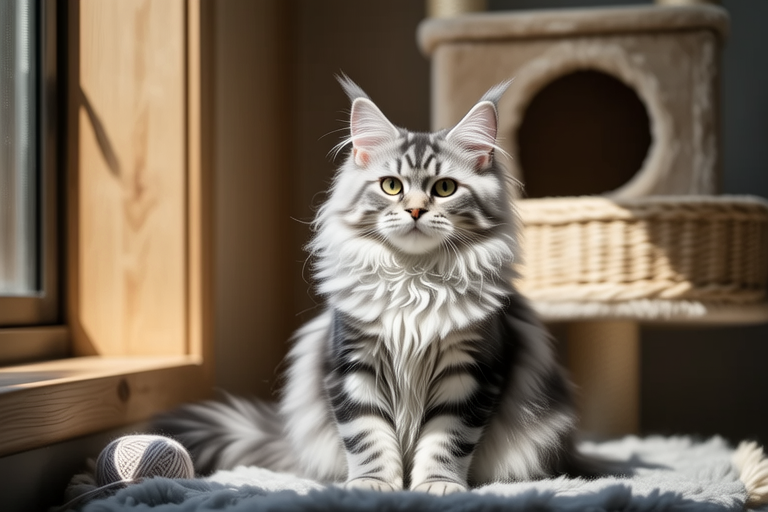
The Ultimate Guide to Raising a Happy Maine Coon
Understanding Maine Coon Behavior
Maine Coons are known for their friendly and sociable nature. They are often referred to as ‘gentle giants’ due to their large size and gentle demeanor. These cats are intelligent and curious, which means they can sometimes get into mischief if left alone too long. Maine Coons enjoy interacting with humans and other pets, making them great companions.
One of the most notable behaviors of Maine Coons is their love for water. Unlike many other cat breeds, Maine Coons are fascinated by water and may even play with it. This trait is believed to be inherited from their ancestors who were skilled fishermen. It’s important to provide your Maine Coon with opportunities to explore and play safely.
Maine Coons also have a strong hunting instinct. Providing them with interactive toys that mimic prey can help satisfy this instinct. Regular play sessions will not only keep your cat entertained but also contribute to their physical and mental well-being.
Dietary Needs
A balanced diet is crucial for maintaining your Maine Coon’s health. As a large breed, they require more calories than smaller cats. However, it’s essential to avoid overfeeding as obesity can lead to various health issues such as diabetes, arthritis, and heart disease.
Maine Coons benefit from high-quality commercial cat foods specifically formulated for large breeds or senior cats. These diets typically contain higher protein levels and appropriate fat content to support muscle mass and energy needs. Consult with your veterinarian to determine the best food and portion sizes for your individual cat.
In addition to commercial foods, you can occasionally offer your Maine Coon some treats. However, remember that treats should make up no more than 10% of their daily caloric intake. Fresh water should always be available to ensure proper hydration.
Exercise Requirements
Despite their size, Maine Coons need regular exercise to stay healthy and happy. Lack of activity can lead to weight gain and behavioral problems. Engaging your Maine Coon in daily play sessions is an excellent way to meet their exercise needs.
Interactive toys like feather wands, laser pointers, and puzzle feeders are great options. These toys stimulate both body and mind, helping prevent boredom and destructive behaviors. Consider setting aside at least 15 minutes each day for structured playtime.
Creating an enriched environment with climbing structures and scratching posts encourages natural activities such as climbing and scratching. Providing access to safe outdoor areas under supervision or through catio setups allows your Maine Coon to explore and engage in outdoor activities.
Grooming Tips
Maine Coons have semi-long hair that requires regular grooming to maintain its beauty and prevent matting. Their coat consists of two layers – a dense undercoat and longer guard hairs. Regular brushing helps remove loose hair, distribute skin oils, and prevent hairballs.
Brush your Maine Coon at least once a week, increasing frequency during shedding seasons (spring and fall). Use a slicker brush followed by a comb to catch any tangles. Pay special attention to areas prone to matting, such as behind the ears and under the legs.
Bathing is generally unnecessary unless your Maine Coon gets particularly dirty. If bathing is required, use a cat-specific shampoo and be sure to thoroughly rinse out all soap residue. Afterward, dry your cat with towels or a low-heat hair dryer set on a cool setting.
Health Concerns Specific to the Breed
Like all purebred cats, Maine Coons are susceptible to certain genetic health conditions. Familiarizing yourself with these issues can help you provide better care for your pet.
One of the most common health problems affecting Maine Coons is hypertrophic cardiomyopathy (HCM), a type of heart disease. Early detection through regular veterinary check-ups is key. Another condition is hip dysplasia, which affects joint development and mobility. Both conditions can be managed with proper treatment and lifestyle adjustments.
Other potential health concerns include polycystic kidney disease (PKD) and spinal muscular atrophy (SMA). PKD causes cysts to form in the kidneys, while SMA affects muscle control in the hind limbs. Genetic testing can identify carriers of these diseases before breeding.
Regular veterinary visits, including annual check-ups and vaccinations, are vital for monitoring your Maine Coon’s overall health. Your vet may recommend additional tests or screenings based on your cat’s age and specific health risks.
Advice for Creating an Enriching Environment
Providing an enriching environment goes beyond just meeting basic needs; it fosters emotional well-being and mental stimulation. Here are some ideas to create a stimulating space for your Maine Coon:
- Create Vertical Spaces: Cats naturally prefer elevated positions. Install shelves, window perches, or tall cat trees to encourage climbing and observation.
- Offer Interactive Toys: Rotate different types of toys regularly to keep things interesting. Puzzle feeders challenge their minds while providing enrichment.
- Provide Safe Outdoor Access: If possible, allow your Maine Coon supervised outdoor time or build a secure enclosure called a ‘catio.’ This allows them to experience nature safely.
- Social Interaction: Spend quality time playing with your cat every day. Engage in interactive games that involve chasing, pouncing, and retrieving.
Remember, each cat has unique preferences, so observe what activities bring joy to your Maine Coon and adjust accordingly. By offering a variety of experiences, you’ll help ensure a happy and fulfilled life for your feline friend.
