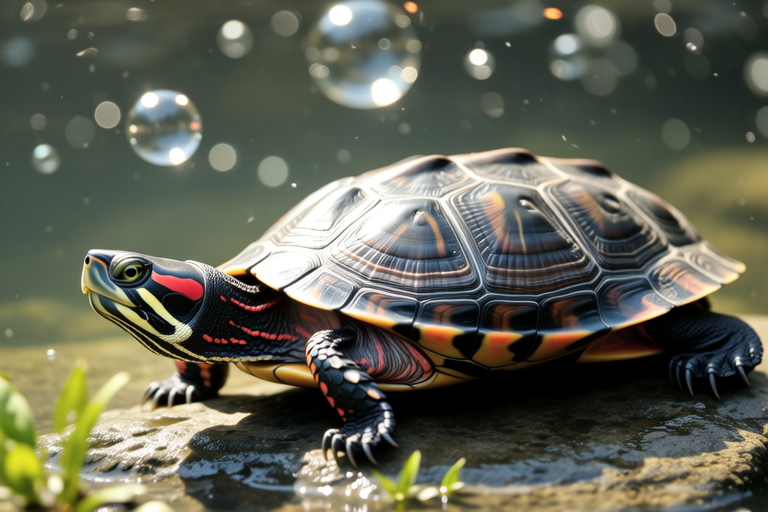
The Complete Checklist for First-Time Red-eared Slider Owners
Introduction
Welcome to the exciting world of pet ownership! Red-eared sliders (Trachemys scripta elegans) are popular aquatic turtles known for their striking appearance and relatively low maintenance requirements. However, owning a red-eared slider comes with specific responsibilities that require careful planning and attention. This comprehensive guide will walk you through the essential aspects of caring for your new pet, ensuring both you and your turtle thrive.
Initial Setup of Habitat
Tank Size
The first step in setting up your red-eared slider’s habitat is choosing an appropriate tank. For a hatchling, a 20-gallon tank is sufficient; however, as your turtle grows, it will need more space. Adult red-eared sliders typically require at least 40 gallons per inch of shell length. A larger tank allows for better swimming and provides ample room for basking.
Filtration System
Water quality is crucial for your turtle’s health. Invest in a high-quality filter designed for large aquariums or ponds. Look for filters that can handle the tank’s volume and provide mechanical, biological, and chemical filtration. Regular water changes are still necessary, but a good filter helps maintain cleaner water between changes.
Lighting
Your red-eared slider needs UVB lighting to synthesize vitamin D3, which is essential for calcium absorption. Choose a full-spectrum UVB light specifically designed for reptiles and place it over one-third of the tank. Ensure the light is positioned no more than 18 inches above the basking area. Replace the bulb every six months, even if it seems to be working, as UV output diminishes over time.
Heating
Maintaining proper water temperature is vital for your turtle’s metabolism. Use a submersible heater to keep the water between 75-80°F (24-27°C). The basking area should reach around 90-95°F (32-35°C). Install a reliable thermometer to monitor temperatures accurately. Additionally, provide a heat lamp for the basking spot, ensuring it remains warm and inviting for your turtle.
Necessary Equipment
Besides the tank, filtration, lighting, and heating, several other items are necessary:
- Basking Platform: Provide a sturdy platform where your turtle can completely dry off. It should be large enough for your turtle to stretch out fully.
- Substrate: Avoid gravel or small stones that can be accidentally ingested. Instead, opt for smooth pebbles or use a bare-bottom tank.
- Water Dechlorinator: Treat tap water before adding it to the tank to remove harmful chemicals like chlorine and chloramines.
- Hydrometer: Monitor water salinity levels to ensure they remain within safe limits.
Diet and Feeding Guidelines
Feeding Schedule
Feed your red-eared slider three times a week, offering a variety of foods to ensure balanced nutrition. Younger turtles have higher protein needs compared to adults, so adjust the diet accordingly.
Food Types
Include commercial turtle pellets, fresh vegetables (like romaine lettuce, green beans, and carrots), and occasional live or frozen feeder fish. Supplement their diet with calcium blocks or cuttlebone to support strong shell development.
Hydration
Ensure your turtle has access to clean, fresh water at all times. They drink directly from the tank, so maintaining water quality is paramount.
Health Care Tips
Regular Check-ups
Schedule annual visits with a veterinarian specializing in reptiles. These check-ups help catch potential issues early and ensure your turtle receives proper vaccinations.
Monitoring Health
Keep an eye on your turtle’s behavior and physical condition. Signs of illness include lethargy, loss of appetite, abnormal swelling, or discharge from the eyes, nose, or mouth. Address any concerns promptly by consulting a vet.
Common Mistakes to Avoid
Overfeeding
Avoid overfeeding, which can lead to obesity and other health problems. Feed your turtle only what it can consume in 10-15 minutes.
Improper Lighting
Ensure the UVB light is positioned correctly and replaced regularly. Insufficient UVB exposure can result in metabolic bone disease.
Inadequate Water Quality
Regularly test and treat the water to prevent harmful bacteria growth. Poor water quality can cause infections and respiratory issues.
Advice on Handling and Bonding with Your Red-eared Slider
Safe Handling Practices
Handle your turtle gently, supporting its body and avoiding grabbing it by the legs or tail. Wash your hands before and after handling to prevent the spread of germs.
Building Trust
Gradually introduce handling sessions to build trust. Start with brief interactions and increase duration as your turtle becomes comfortable. Patience is key; some turtles may take longer to bond than others.
Conclusion
Owning a red-eared slider is a rewarding experience filled with joy and responsibility. By following this comprehensive checklist, you’ll create a nurturing environment that promotes your turtle’s health and happiness. Remember, each turtle is unique, so observe your pet closely and tailor its care accordingly. Happy turtle keeping!
