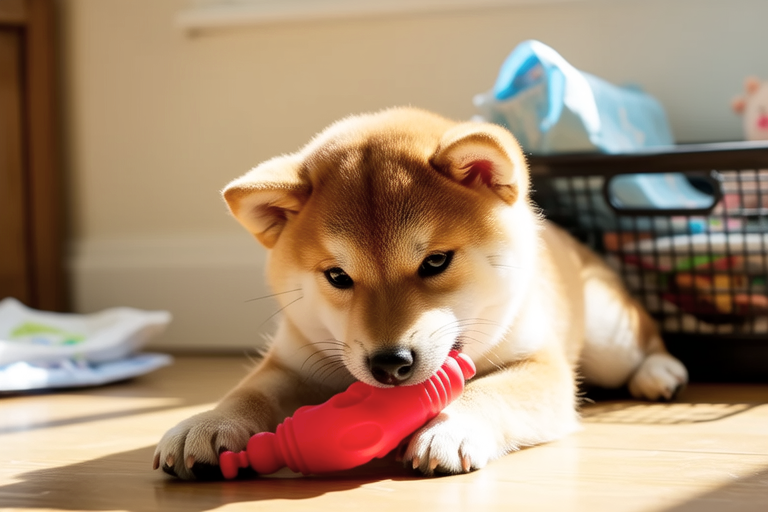
Shiba Inus and Their Unique Challenges: Tips for First-Time Owners
The Shiba Inu is a small-to-medium sized dog breed native to Japan. Known for their fox-like appearance, this breed has been cherished in its homeland for centuries. The Shiba Inu’s name translates to ‘brushwood dog,’ a reference to their ability to navigate through dense brushwood. This breed is highly intelligent, independent, and has a strong sense of self. These qualities make them an interesting companion but also present unique challenges for first-time owners.
Origins and Distinctive Traits
Shiba Inus have a history that dates back to ancient times in Japan, where they were used as hunting dogs. Their agility and keen sense of smell made them valuable companions in the field. Today, they are beloved family pets known for their loyalty, playfulness, and sometimes stubborn nature. Shiba Inus are characterized by their small size, typically weighing between 17-23 pounds, and standing around 14-16 inches tall at the shoulder. They have a double coat, which provides insulation in cold weather and protection from the elements. Their coat color can vary from red, sesame (red with black-tipped hairs), or black and tan.
Common Challenges Faced by New Owners
Raising a Shiba Inu comes with several unique challenges, particularly for first-time owners. One of the most significant issues is training. Shibas are known for their independent streak, making them somewhat challenging to train. Their intelligence can be both a blessing and a curse; while they can learn quickly, they may also become easily bored with repetitive tasks. Another challenge is their grooming needs. Their double coat requires regular maintenance to prevent matting and keep their skin healthy. Finally, dietary considerations are crucial for maintaining their health and longevity.
Effective Training Methods
Training a Shiba Inu requires patience, creativity, and positive reinforcement. Positive reinforcement involves rewarding your dog for good behavior, which encourages them to repeat it. Use treats, praise, and play as rewards. Keep training sessions short and fun to maintain your Shiba’s interest. Consistency is key in training; always use the same commands and reinforce them regularly. Additionally, consider enrolling your Shiba Inu in obedience classes. Professional trainers can provide valuable guidance and help you establish a solid foundation for your dog’s training.
Grooming Techniques
Grooming a Shiba Inu is essential to keep their coat healthy and free from mats. Brushing your Shiba Inu at least once a week is recommended, especially during shedding seasons. Invest in a high-quality slicker brush and a comb to remove tangles and dead hair. Bathing should be done sparingly, about every three months, to avoid stripping their natural oils. Use a gentle shampoo specifically formulated for dogs. Regular nail trimming is also important, ideally every two to four weeks, depending on your Shiba’s activity level. Ears should be checked and cleaned weekly to prevent infections. Teeth brushing should be part of your routine to promote dental health.
Dietary Advice
A balanced diet is crucial for the overall health and well-being of your Shiba Inu. High-quality dog food that meets AAFCO standards is recommended. Look for foods rich in protein, fats, and carbohydrates, with a focus on animal-based proteins like chicken, beef, or fish. Avoid fillers, artificial preservatives, and flavors. Consult with your veterinarian to determine the appropriate portion sizes based on your Shiba’s age, weight, and activity level. Fresh water should always be available to your dog. Consider adding supplements like omega-3 fatty acids to support their skin and coat health.
Building a Strong Bond
Creating a strong bond with your Shiba Inu requires time, effort, and understanding. Spend quality time with your dog, engaging in activities they enjoy, such as playing fetch or going for walks. Establish a routine that includes regular exercise, grooming, and feeding times. Patience and consistency are vital in building trust and respect. Understand that Shibas can be aloof and reserved with strangers, so socialization from an early age is crucial. Expose your Shiba to various environments, people, and other animals to help them become comfortable and confident. Celebrate small victories and progress in training and socialization to reinforce positive behaviors.
Conclusion
Owning a Shiba Inu is a rewarding experience filled with love, laughter, and companionship. While they come with unique challenges, these can be overcome with the right approach and mindset. By understanding their origins, traits, and needs, you can provide your Shiba Inu with a happy and healthy life. Remember, patience, consistency, and a deep understanding of their temperament are key to building a strong bond. With the right care and attention, your Shiba Inu will become a loyal and cherished member of your family.
