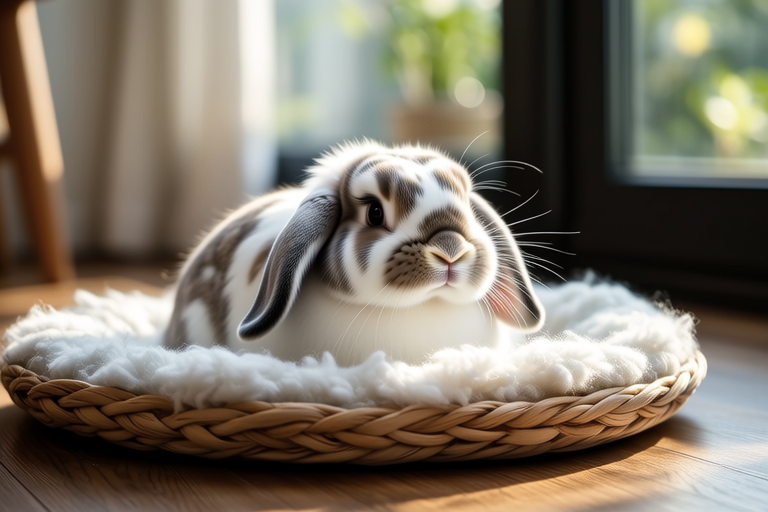
From Barnyard to Bedroom: How Lop Rabbits Stole Our Hearts
Welcome to the enchanting world of lop rabbits, where gentle giants with floppy ears have captured the hearts of many. Once considered mere farm animals, these charming creatures have now found their way into our homes, becoming cherished members of families worldwide. This article will guide you through the journey of lop rabbits from the barnyard to the bedroom, highlighting their unique characteristics, rich history, and the joy they bring to those who welcome them into their lives.
The Transition: From Farm to Family
Lop rabbits, known for their long, drooping ears, were originally bred for meat and fur. Their gentle nature and striking appearance made them ideal candidates for domestication. Over time, they transitioned from farm animals to beloved pets, bringing warmth and companionship to households. The change was gradual but significant, as people recognized the potential for these rabbits to be more than just livestock.
Unique Characteristics of Lop Rabbits
Floppy Ears
The most recognizable feature of lop rabbits is their long, floppy ears. These ears can grow up to four inches long, depending on the breed. The drooping ears are not only adorable but also serve a practical purpose, helping the rabbits regulate their body temperature. They can move their ears to catch sounds and signals from their environment, enhancing their awareness and safety.
Gentle Nature
Lop rabbits are renowned for their docile and friendly demeanor. They are generally calm and patient, making them perfect companions for children and adults alike. Their gentle nature is one of the reasons why they are often chosen as pets. Lop rabbits enjoy being petted and handled, and they quickly form strong bonds with their human caregivers.
The History of Lop Rabbits
The origins of lop rabbits can be traced back to medieval Europe, where they were first domesticated. It is believed that the first lop-eared rabbits were the result of natural mutations in wild European rabbits. Breeders noticed the unique trait and began selectively breeding for it, leading to the development of various lop breeds. Today, there are several recognized lop rabbit breeds, each with its own distinct characteristics.
One of the most popular lop breeds is the English Lop, which is known for its exceptionally long ears. Other popular breeds include the French Lop, Holland Lop, and Mini Lop. Each breed has its own unique history and characteristics, contributing to the diversity within the lop rabbit family.
Becoming Popular Household Pets
The transition of lop rabbits from farm animals to household pets was driven by their appealing traits and adaptability. As people sought companion animals that could live comfortably indoors, lop rabbits stood out due to their small size, manageable grooming needs, and gentle disposition. Their popularity grew as more individuals discovered the joys of sharing their homes with these delightful creatures.
Caring for Lop Rabbits
Dietary Needs
Proper nutrition is essential for the well-being of lop rabbits. A balanced diet typically consists of hay, fresh vegetables, and a limited amount of pellets. Timothy hay is particularly beneficial, as it aids in digestion and dental health. Fresh water should always be available, and a variety of leafy greens, such as romaine lettuce and spinach, can be offered in moderation. It’s important to avoid feeding rabbits foods that are high in sugar or starch, as these can lead to health issues.
Housing
Adequate housing is crucial for the comfort and safety of lop rabbits. Indoor cages or pens provide a secure space for your pet to rest and play. The cage should be large enough to allow the rabbit to stretch and move around freely. Bedding material, such as straw or shredded paper, should be provided for comfort and warmth. Regular cleaning of the living area is necessary to maintain hygiene and prevent illness.
Health Care
Regular veterinary check-ups are vital for ensuring the health of your lop rabbit. Common health issues include dental problems, respiratory infections, and gastrointestinal disorders. Proper grooming, especially for long-haired breeds, helps prevent matting and skin irritation. Providing toys and opportunities for exercise supports mental and physical well-being, reducing the risk of behavioral issues.
Personal Stories and Anecdotes
Many rabbit owners share heartwarming stories of the special bonds they’ve formed with their lop rabbits. Sarah, a mother of two, adopted a Holland Lop named Buttercup when her children were young. “Buttercup has been a constant source of joy and comfort for our family,” she says. “She loves to snuggle with us on the couch and has a playful side that keeps everyone entertained.” Another owner, Mark, recalls how his French Lop, Max, helped him through a difficult period. “Max’s presence brought me peace during a time of stress. His calm demeanor and affectionate nature made all the difference.”
The Impact of Lop Rabbits on Families
Lop rabbits have a profound impact on the families that welcome them into their homes. They offer companionship, teach responsibility, and bring laughter and joy to everyday life. Children learn valuable lessons about care and empathy, while adults find solace in the gentle presence of these furry friends. The bond between humans and lop rabbits is deep and meaningful, enriching the lives of all involved.
In conclusion, lop rabbits have come a long way from their origins as farm animals to becoming cherished pets. Their unique characteristics, gentle nature, and rich history make them wonderful companions for families. By understanding their dietary needs, providing proper housing, and maintaining their health, we can ensure that lop rabbits continue to bring happiness and love into our lives. Whether you’re considering adopting a lop rabbit or simply appreciating these amazing creatures, their story is one of transformation and heartwarming connection.
