Meet the Hairiest: A Deep Dive Into Tarantula Ownership
Welcome to the fascinating world of tarantulas! These large, hairy spiders have captivated the imaginations of many with their unique appearance and often misunderstood nature. Often portrayed as aggressive and dangerous, tarantulas are actually quite docile and make excellent pets for those willing to learn about their specific needs. This article will guide you through the essentials of tarantula ownership, from understanding these arachnids to setting up their habitats and providing proper care.
The Unique World of Tarantulas
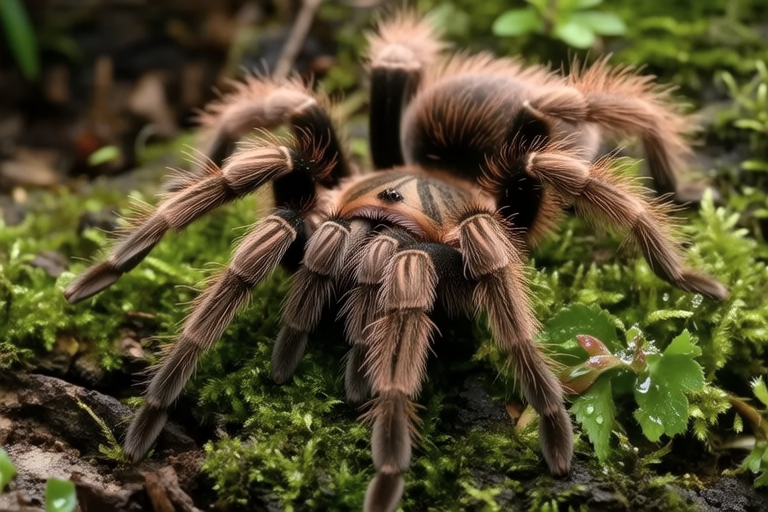
Tarantulas belong to the family Theraphosidae and are found in various habitats across the globe, from deserts to rainforests. Their most distinctive feature is their dense covering of hair, which serves multiple purposes, such as sensory perception and defense. Contrary to popular belief, tarantulas are not venomous enough to pose a significant threat to humans; their bites are comparable to a bee sting. Another myth is that tarantulas are aggressive; most species are shy and prefer to avoid confrontation.
Essential Factors for Prospective Owners
Habitat Setup
Creating a suitable habitat is crucial for your tarantula’s well-being. A glass or plastic enclosure with a secure lid is ideal. The size of the enclosure depends on the tarantula’s species and age. Generally, a container measuring at least three times the spider’s leg span in length and height is recommended. Add substrate, such as coconut fiber or bark, to a depth of several inches. This provides a comfortable burrowing space and aids in humidity control.
Temperature and humidity levels must be carefully regulated. Most tarantulas thrive in temperatures between 75°F and 85°F (24°C to 29°C) and relative humidity levels around 60% to 80%. Use a hygrometer and thermometer to monitor these conditions. Provide hiding spots like cork bark or half logs to mimic natural environments and reduce stress.
Dietary Needs
Tarantulas are carnivorous and require a varied diet to ensure optimal health. Younger tarantulas can be fed small insects, such as crickets or mealworms, every few days. As they grow, larger prey items, like dubia roaches or pinkie mice, may be introduced. Always remove uneaten prey within a day to prevent contamination.
Ensure prey items are appropriately sized for your tarantula. Overfeeding can lead to obesity, while underfeeding can result in malnutrition. Feeding once every one to two weeks for adults is usually sufficient. It’s also important to gut-load feeder insects with nutritious food before offering them to your tarantula.
Handling Techniques
While tarantulas are generally calm, they should not be handled frequently or roughly. They can become stressed easily, which may lead to molting issues or defensive behavior. If you need to handle your tarantula, gently scoop it into a container and allow it to acclimate before returning it to its enclosure. Never grab or squeeze your tarantula, as this can cause injury.
Different Species for Beginners and Advanced Keepers
Species Suitable for Beginners
For first-time tarantula owners, species known for their ease of care and tolerance of handling are recommended. Some popular choices include:
- Brown Recluse Tarantula (Aphonopelma hentzi): Native to North America, this species is relatively hardy and adapts well to captivity. They are less likely to bite and are easier to handle compared to other tarantulas.
- Chaco Golden Knee Tarantula (Grammostola aureostigma): Originating from South America, this species is known for its striking appearance and gentle temperament. They are excellent for beginners due to their low-maintenance requirements.
Species for Advanced Keepers
Experienced tarantula owners who are ready for a challenge might consider:
- Indian Ornamental Tarantula (Poecilotheria regalis): Known for its vibrant colors and active nature, this species requires more attention and specialized care. They are less forgiving of mistakes and need a more complex habitat setup.
- Peruvian Pinktoe Tarantula (Avicularia avicularia): This arboreal species is highly social and enjoys climbing. They require vertical space and specific environmental conditions, making them better suited for experienced keepers.
Maintaining a Healthy Environment
To maintain a healthy environment for your tarantula, regular cleaning and maintenance are necessary. Remove uneaten prey and waste weekly. Spot clean the enclosure when needed, replacing soiled substrate gradually to avoid shocking the tarantula. Perform a full enclosure cleaning every few months, ensuring thorough disinfection without using chemicals harmful to the spider.
Monitor your tarantula regularly for signs of potential health issues. Common problems include mites, dehydration, and improper molting. Signs of mites include tiny red dots visible on the tarantula’s body. Dehydration can cause skin discoloration and increased lethargy. Improper molting may result in stuck limbs or difficulty shedding. Address any issues promptly by consulting a veterinarian specializing in exotic animals.
The Rewarding Aspects of Tarantula Ownership
Despite their intimidating appearance, tarantulas offer unique companionship. Watching them interact with their environment and observing their feeding habits can be deeply satisfying. Additionally, tarantulas are long-lived, with some species living up to 20 years. This longevity allows for a strong bond to develop over time.
Responsible pet care is paramount. Always research thoroughly before acquiring a tarantula and commit to providing the best possible care. Consider adopting rather than purchasing to support ethical breeding practices. By doing so, you contribute positively to the conservation efforts for these fascinating creatures.
Conclusion
Ownership of tarantulas offers a rewarding experience filled with educational opportunities and personal growth. With the right knowledge and dedication, you can create a thriving environment for your eight-legged friend. Embrace the responsibility of caring for these unique pets, and enjoy the journey of learning and bonding with these fascinating creatures.
