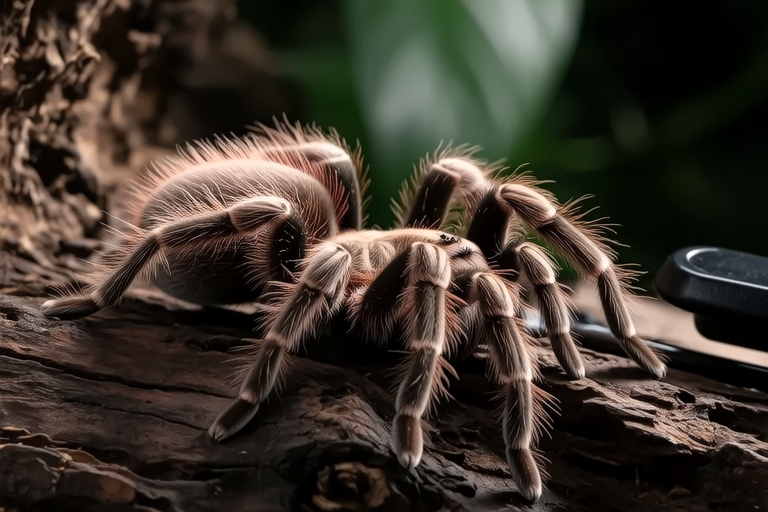
How to Choose the Perfect Tarantula for Your Home
Welcome to the fascinating world of tarantulas! These intriguing creatures have been captivating pet enthusiasts for decades. With their unique appearance and relatively low maintenance, tarantulas can be rewarding pets for those who appreciate quiet companionship. However, selecting the right species requires careful consideration, especially for first-time owners. This guide will walk you through the essential steps to choose the perfect tarantula for your home, ensuring a harmonious and healthy relationship with your new arachnid friend.
Introduction to Tarantulas as Pets
Tarantulas are large spiders native to various regions around the world, including tropical rainforests, deserts, and grasslands. They come in a wide array of sizes, colors, and temperaments, making them an exciting choice for exotic pet owners. Unlike many other pets, tarantulas don’t require daily interaction or attention, but they still need proper care and a suitable environment to thrive.
Before bringing a tarantula into your home, it’s crucial to understand that these creatures are not toys or decorations. They are living beings that deserve respect and appropriate care. By learning about their needs and preferences, you can provide a safe and comfortable habitat where your tarantula can live happily for many years.
Factors to Consider When Choosing a Tarantula
Species Selection
The first step in choosing the right tarantula is deciding which species suits your lifestyle best. There are over 900 known species of tarantulas, each with its own set of characteristics. Some popular choices include:
- Brown Recluse: Known for their docile nature and ease of care, brown recluses are a great option for beginners.
- Cobalt Blue: A stunning blue color makes this species visually appealing, though they tend to be more skittish.
- Chaco Golden Knee: This species is known for its striking golden stripes and relatively calm demeanor.
- Red Rump: With their vibrant red markings, red rumps are a favorite among tarantula enthusiasts.
When selecting a species, consider factors such as size, lifespan, and environmental requirements. Some tarantulas grow quite large, while others remain small enough to fit comfortably in a smaller enclosure. Additionally, some species have longer lifespans than others, so be prepared for a long-term commitment.
Size Matters
The size of your tarantula plays a significant role in determining the type of enclosure needed. Smaller species like the Mexican Red Knee or Chilean Rose require less space compared to larger ones like the Goliath Birdeater or Pink Toed Tarantula. It’s important to research the expected adult size of your chosen species before purchasing any supplies or setting up housing.
Temperament and Handling
Not all tarantulas are created equal when it comes to handling. While some species tolerate gentle interactions, others may become stressed or defensive if touched. For example, species like the Chilean Rose and Mexican Red Knee are generally more docile and can be handled carefully, whereas species like the Brazilian Black Widow or Hapalopus leporinus tend to be more aggressive and should not be handled at all.
If you’re interested in interacting with your tarantula, choose a species known for its calm demeanor. Even then, always handle your tarantula with care, respecting their boundaries and providing a stress-free environment.
Basic Care Requirements
Housing
A proper enclosure is essential for keeping your tarantula happy and healthy. The size of the enclosure depends on the size of the tarantula, but most enclosures should be at least three times the length of the spider. For example, if your tarantula measures 6 inches, its enclosure should be at least 18 inches long.
The enclosure should also provide adequate ventilation and humidity levels specific to your tarantula’s species. Many species thrive in humid environments, so a layer of substrate (such as coconut fiber or bark) can help maintain the desired moisture level. Additionally, ensure there are hiding spots and climbing structures to mimic natural habitats.
Diet and Feeding
Tarantulas are carnivorous and feed primarily on insects. Common prey items include crickets, mealworms, and dubia roaches. The frequency of feeding depends on the age and size of your tarantula, but generally, younger tarantulas eat more frequently than adults. Always remove uneaten prey after a few hours to prevent stress or injury to your tarantula.
It’s important to gut-load feeder insects before offering them to your tarantula. Gut-loading involves feeding the insects nutritious food such as vegetables or commercial gut-load supplements to enhance their nutritional value. You can also dust the feeder insects with calcium powder to ensure your tarantula gets the necessary nutrients.
Environment
Creating a suitable environment is crucial for your tarantula’s well-being. In addition to the proper enclosure, temperature and humidity play vital roles in maintaining optimal conditions. Most tarantulas prefer temperatures between 75°F and 85°F (24°C to 29°C) and humidity levels ranging from 60% to 80%, depending on the species.
To achieve the correct humidity levels, mist the enclosure occasionally or place a water dish inside. Ensure that the enclosure has proper ventilation to avoid mold growth and maintain good air quality.
Common Health Issues
Like any pet, tarantulas can face health challenges. Some common issues include dehydration, mites, and poor molting. Dehydration occurs when the humidity level in the enclosure is too low, causing the tarantula’s exoskeleton to become brittle. Mites are tiny parasites that can infest tarantulas, leading to skin irritation and other problems. Poor molting happens when a tarantula fails to shed its exoskeleton properly, which can result in injury or death if not addressed promptly.
Regularly check your tarantula for signs of illness or distress. If you notice unusual behavior, consult a veterinarian specializing in exotic animals for proper diagnosis and treatment. Prevention is key, so ensure your tarantula has a clean, well-maintained enclosure with appropriate temperature and humidity levels.
Tips for Beginners
Starting with a tarantula can be intimidating, but following these tips will help you succeed:
- Research thoroughly: Before purchasing any tarantula, spend time researching different species, their care requirements, and common health issues.
- Buy from reputable sources: Purchase your tarantula from a reputable breeder or seller who provides accurate information about the species and its needs.
- Prepare the enclosure: Set up the enclosure before bringing your tarantula home to ensure everything is ready and stress-free.
- Be patient: Tarantulas are solitary creatures and may not show interest in interaction. Respect their need for solitude and observe them from a distance.
- Monitor regularly: Regularly check your tarantula’s health, behavior, and environment to catch any potential issues early.
Sourcing from Reputable Breeders or Sellers
Choosing a reputable breeder or seller is critical when acquiring a tarantula. Look for sellers who provide detailed information about the species, its origin, and care instructions. Ask questions about the tarantula’s health history and feeding routine. Reputable sellers will be transparent and willing to share this information.
Avoid purchasing tarantulas from unknown or unverified sources, as these may not provide the necessary care or accurate information. Instead, seek out established breeders or pet stores with a good reputation in the community.
In conclusion, choosing the perfect tarantula for your home involves careful consideration of species, size, temperament, and care requirements. By educating yourself on these factors and providing a suitable environment, you can enjoy a rewarding relationship with your new arachnid companion. Remember, tarantulas are living beings that deserve love and respect, so treat them with kindness and patience.
