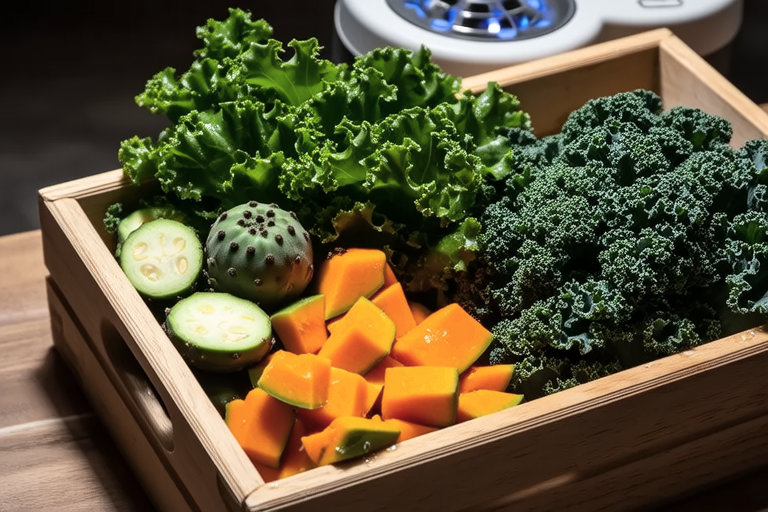
The Best Plants and Veggies to Feed Your Bearded Dragon
Bearded dragons are beloved pets known for their unique appearance and relatively easy care requirements. However, one of the most crucial aspects of their well-being is their diet. These omnivorous lizards require a balanced mix of plant matter and protein to thrive. Ensuring that your bearded dragon gets the right nutrients from its food can significantly impact its overall health, longevity, and happiness.
Understanding Bearded Dragons’ Dietary Needs
A balanced diet is essential for maintaining a bearded dragon’s health. It includes a variety of nutrients such as calcium, vitamins, and minerals. The primary components of their diet are insects and vegetation. Younger bearded dragons need more protein than adults because they are growing rapidly. As they mature, their dietary needs shift towards a higher intake of vegetables and fruits.
Feeding your bearded dragon a varied diet helps prevent nutritional deficiencies and ensures they receive all the necessary nutrients for growth, immune function, and overall vitality. A balanced diet also supports healthy digestion and reduces the risk of obesity and other health issues.
Ten Safe and Beneficial Plants and Vegetables
1. Collard Greens
Collard greens are a nutritious choice for bearded dragons. They are rich in calcium and vitamin A, which are vital for bone health and vision. To prepare them, wash the leaves thoroughly and chop them into small pieces. Offer collard greens about three times a week, ensuring that each meal contains no more than a quarter of the total food volume.
2. Mustard Greens
Mustard greens provide high levels of calcium and beta-carotene. Beta-carotene converts to vitamin A in the body, supporting good vision and immune function. Like collard greens, mustard greens should be washed and chopped before feeding. Provide this vegetable about twice a week, in moderation.
3. Turnip Greens
Turnip greens offer a substantial amount of calcium and vitamins A and C. Vitamin C aids in wound healing and immune system support. Wash and finely chop turnip greens before serving. Offer these greens about twice a week.
4. Dandelion Greens
Dandelion greens are packed with calcium, vitamin A, and antioxidants. They are excellent for promoting healthy skin and eyes. Make sure to collect dandelions from pesticide-free areas or grow them yourself. Serve them once a week, prepared similarly to other leafy greens.
5. Bell Peppers
Bell peppers are a great source of vitamin C, which helps boost the immune system. They also contain vitamin A and fiber. Slice bell peppers into small pieces and serve them occasionally, around once every two weeks.
6. Carrots
Carrots are rich in beta-carotene, which converts to vitamin A in the body. This nutrient is essential for vision and skin health. Grate carrots or cut them into small pieces before offering them to your bearded dragon. Feed carrots sparingly, about once a month, as too much can cause digestive issues.
7. Squash
Squash provides a good balance of vitamins A and C. Butternut squash is particularly popular among bearded dragon enthusiasts. Peel and steam the squash until tender, then mash it into small chunks. Offer squash about once a week.
8. Green Beans
Green beans are a good source of vitamins A and K. They also contain some calcium. Steam green beans until soft, then chop them into small pieces. Feed them about once a week.
9. Zucchini
Zucchini offers vitamins A, C, and K, along with potassium and magnesium. These nutrients are important for muscle function and heart health. Steam zucchini until tender and slice it into small pieces. Serve it about once a week.
10. Broccoli
Broccoli contains vitamins C and K, as well as fiber. It promotes healthy digestion and boosts the immune system. Steam broccoli florets until tender and cut them into small pieces. Offer broccoli about once a week.
Tips for Safe Preparation and Feeding
Always wash vegetables thoroughly to remove any dirt or pesticides. Chop them into small, manageable pieces to prevent choking. Mix different vegetables to ensure a diverse range of nutrients. Avoid overfeeding any single type of vegetable to maintain a balanced diet.
Plants and Veggies to Avoid
Certain plants and vegetables can be harmful to bearded dragons. Avocados, rhubarb, spinach, and iceberg lettuce should be avoided due to their high oxalate content, which can interfere with calcium absorption. Onions and garlic can cause digestive issues, while beans and peas can lead to gas and bloating. Additionally, avoid feeding your bearded dragon any food that has been treated with pesticides or herbicides.
Monitoring Health Through Diet
Regularly observe your bearded dragon’s behavior and physical condition to monitor its health. Look for signs of malnutrition, such as lethargy, weight loss, or abnormal shedding. Adjust the diet as needed based on these observations. If you notice any health issues, consult a veterinarian specializing in reptiles.
Feeding your bearded dragon a balanced diet rich in calcium and vitamins is crucial for its health and happiness. By understanding the nutritional needs of your pet and providing a variety of safe and beneficial plants and vegetables, you can help ensure a long and healthy life for your bearded dragon.
