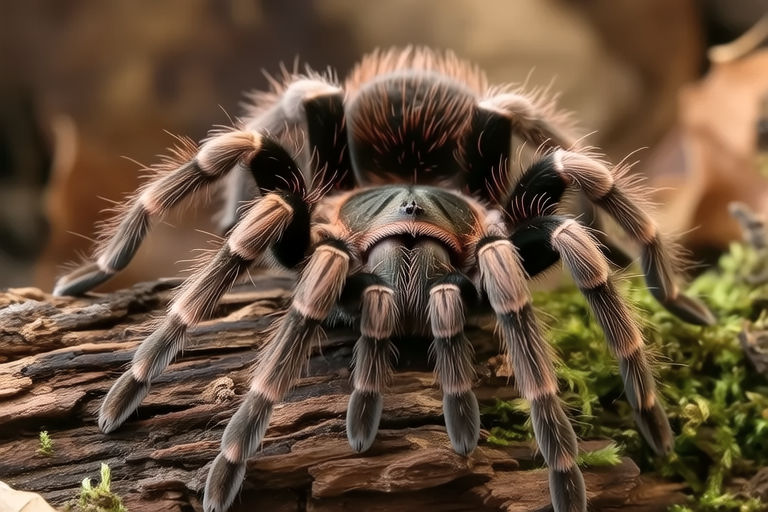
From Fear to Fondness: Why People Are Falling in Love With Tarantulas
Tarantulas, with their large size and hairy appearance, often evoke feelings of dread and revulsion in many people. This widespread fear, known as arachnophobia, is one of the most common phobias in the world. The origins of this fear can be traced back to evolutionary biology, where humans developed an instinctive aversion to potentially dangerous creatures. However, beyond these primal instincts, our fear of tarantulas may also stem from cultural narratives that portray spiders as sinister, venomous predators. Despite these fears, there is a growing number of people who are discovering the charm and allure of tarantulas, transforming their initial apprehension into fondness.
The Origins of Fear
Arachnophobia, the intense fear of spiders, has deep roots in human psychology. Evolutionarily speaking, our ancestors faced threats from various venomous creatures, including certain types of spiders. This survival mechanism led to a heightened sensitivity to anything that resembled a potential threat. Additionally, cultural representations, particularly in media and literature, often depict spiders as terrifying villains, further reinforcing negative stereotypes. Movies like “Arachnophobia” and books such as Charlotte’s Web, while not exclusively focusing on tarantulas, contribute to a broader cultural narrative that associates spiders with danger.
Unveiling the Captivating World of Tarantulas
Beyond the surface-level fears, tarantulas possess a wealth of fascinating characteristics that captivate arachnophiles. With over 900 recognized species, tarantulas exhibit an incredible diversity in size, color, and habitat. From the tiny Brazilian Salmon Pink Birdeater to the colossal Goliath Birdeater, each species offers its own unique traits. Their appearance, while intimidating to some, is actually quite striking. Their dense, velvety fur ranges from earthy tones to vibrant hues, and their robust bodies are adorned with intricate patterns. These physical attributes, combined with their gentle demeanor, make tarantulas an intriguing subject for enthusiasts.
The Gentle Giants of the Arachnid World
Contrary to popular belief, tarantulas are not aggressive creatures. They are primarily solitary animals, spending most of their time in burrows or other secluded areas. Their diet consists mainly of insects, though some larger species may occasionally consume small vertebrates. Tarantulas have a remarkable ability to communicate through vibrations and pheromones, which they use to navigate their environment and interact with potential mates. This peaceful existence, far removed from the aggressive portrayal in popular culture, is one of the reasons why tarantulas are gaining popularity among pet owners.
Caring for Your Tarantula: A Beginner’s Guide
For those interested in keeping tarantulas as pets, understanding their basic needs is essential. A well-maintained terrarium, complete with appropriate substrate, temperature, and humidity levels, provides a comfortable living space for your spider. Most tarantulas thrive in environments that mimic their natural habitats, which typically range from tropical rainforests to arid deserts. Regular cleaning and maintenance of the enclosure ensure a healthy living condition for your pet. Feeding a varied diet of live insects, such as crickets and mealworms, ensures proper nutrition. It’s important to handle tarantulas with care, as excessive handling can stress them out.
Scientific Insights into Tarantula Behavior
Recent studies have shed light on the complex behaviors of tarantulas, offering valuable insights for both researchers and pet owners. Scientists have observed that tarantulas possess a sophisticated system of sensory organs that allow them to detect vibrations and changes in their surroundings. This heightened awareness helps them locate prey and avoid predators. Additionally, research indicates that tarantulas have distinct personalities, with some individuals being more active and curious than others. Understanding these behavioral patterns can help owners create enriching environments that stimulate their pets’ natural instincts.
Real-Life Stories: Overcoming Fear to Bond with Tarantulas
One individual, Sarah Thompson, recounts her journey from arachnophobia to becoming a passionate tarantula enthusiast. Initially terrified of spiders, Sarah found herself drawn to the beauty and grace of tarantulas after attending a local reptile expo. Her first encounter was tentative, but she soon realized that these creatures were far less menacing than she had imagined. With the guidance of experienced hobbyists, Sarah learned how to care for her pet tarantula and gradually overcame her fear. Today, she shares her experiences on social media, inspiring others to challenge their preconceptions about spiders.
Another story comes from John Doe, a former skeptic who now owns several tarantulas. John initially dismissed the idea of keeping spiders as pets, but after reading about their unique qualities, he decided to give it a try. His first tarantula, a Chilean Rose, quickly became a beloved member of his family. John emphasizes the rewarding experience of observing his pet’s daily activities and the sense of accomplishment he feels when successfully caring for it. He encourages others to explore the world of tarantula ownership, highlighting the joy and fulfillment it brings.
Conclusion: Embracing the Unexpected Beauty of Tarantulas
From Fear to Fondness encapsulates the transformative journey many people experience when they delve into the world of tarantulas. What starts as a phobia can evolve into a profound appreciation for these misunderstood creatures. By understanding their unique attributes and learning how to care for them, individuals can develop a deep connection with tarantulas. Real-life stories of transformation serve as a testament to the rewarding experience of tarantula ownership. As more people discover the beauty and wonder of these gentle giants, perhaps our collective perception of tarantulas will shift, allowing us to embrace their unexpected charm.
