From Playful Paws to Fluffy Fur: All You Need to Know About Ragdolls
The world of feline companionship offers a plethora of choices, each breed bringing its own unique charm and character to your home. Among these, the Ragdoll stands out as a particularly captivating and endearing option. Known for their semi-longhair coats and striking blue eyes, these cats are celebrated for their gentle demeanor and affectionate nature. This article aims to provide you with a comprehensive guide to understanding the Ragdoll, covering everything from their physical attributes and temperament to their health, grooming, diet, and exercise needs.
Unique Characteristics of Ragdolls
Ragdolls are often described as having a “puppy-like” personality, which makes them stand out among other cat breeds. Their docile nature means they are generally very tolerant of being handled and carried, much like a plush doll. This characteristic is further accentuated by their tendency to go limp when picked up, hence the name ‘Ragdoll.’ Their affectionate and social behavior makes them ideal companions for families and individuals seeking a close bond with their pet.
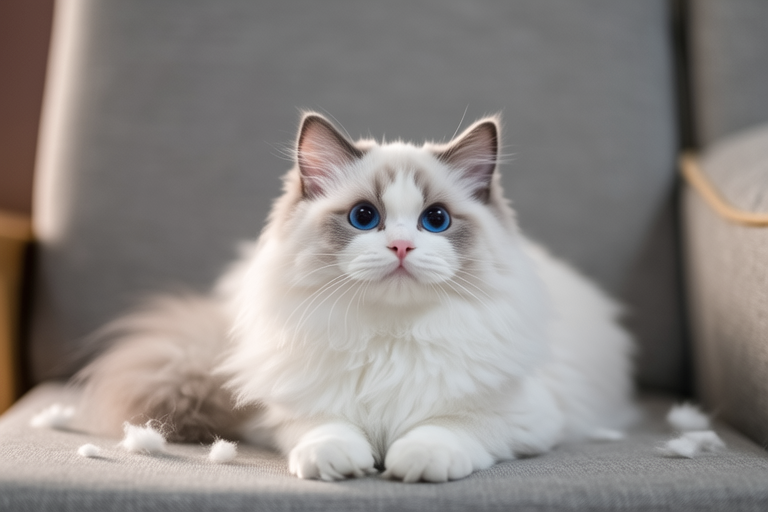
Physically, Ragdolls are medium to large-sized cats with semi-longhair coats that require regular grooming. Their fur is soft and silky, and it comes in various colors and patterns, including seal, chocolate, blue, lilac, and more. One of the most distinctive features of the Ragdoll is their striking blue eyes, which add to their overall aesthetic appeal. The combination of their gentle disposition and beautiful appearance makes them a favorite among cat lovers.
Temperament and Ideal Living Conditions
Ragdolls are known for their calm and laid-back personalities. They tend to be very patient and can adapt well to different environments, making them suitable for both indoor and outdoor living. However, due to their gentle nature, it’s important to ensure that they are kept in safe environments where they won’t be exposed to potential dangers such as traffic or unfriendly animals. Indoor living is often recommended for Ragdolls, especially in areas with high traffic or extreme weather conditions.
These cats thrive in homes where they receive plenty of attention and interaction. They enjoy playing interactive games and cuddling with their human companions. Ragdolls are also known for their loyalty and will often follow their owners around the house, seeking out affection and companionship. Their social nature makes them great pets for families with children or other pets, provided that proper introductions and supervision are maintained.
Common Health Issues
Like all breeds, Ragdolls are prone to certain health issues. Some of the most common conditions include Hypertrophic Cardiomyopathy (HCM), a heart disease that affects many cat breeds, and Polycystic Kidney Disease (PKD), a genetic disorder that can lead to kidney failure. Regular veterinary check-ups are essential to monitor their health and catch any potential issues early.
Another concern for Ragdoll owners is obesity. Due to their sedentary nature, it’s important to maintain a healthy weight through a balanced diet and regular exercise. Obesity can lead to a range of health problems, including diabetes and joint issues, so it’s crucial to keep an eye on their weight and adjust their diet accordingly.
Grooming, Dietary Needs, and Exercise Requirements
Ragdolls have semi-longhair coats that require regular grooming to prevent matting and tangles. Weekly brushing sessions are recommended to keep their fur soft and manageable. During shedding seasons, daily brushing may be necessary to remove loose hair and reduce the risk of hairballs. Bathing is generally not required unless absolutely necessary, but it’s important to use cat-safe shampoos and conditioners.
Dietary needs for Ragdolls should focus on maintaining a healthy weight and providing essential nutrients. High-quality commercial cat foods that meet the AAFCO standards are usually sufficient, but it’s always a good idea to consult with a veterinarian to tailor the diet to your cat’s specific needs. Fresh water should be available at all times, and it’s important to avoid feeding them human food, especially those containing onions, garlic, or chocolate, which can be toxic to cats.
While Ragdolls are relatively inactive compared to some other breeds, they still need regular exercise to stay healthy and happy. Interactive toys, such as feather wands or laser pointers, can help stimulate their minds and bodies. Providing scratching posts and climbing structures can also encourage natural behaviors and prevent destructive scratching. Regular playtime is essential for maintaining their physical and mental well-being.
Ragdolls as Excellent Companions
The unique combination of the Ragdoll’s gentle demeanor, striking appearance, and social nature makes them excellent companions for many households. Their loyalty and affectionate behavior create strong bonds with their owners, often leading to lifelong friendships. Many owners report that their Ragdolls are their constant companions, always ready for a cuddle or a game of fetch.
For instance, Sarah, a long-time Ragdoll owner, shares her experience: “My Ragdoll, Luna, has been a part of my family for years now. She’s incredibly loving and always knows when I need some extra comfort. Whether it’s sitting next to me on the couch or following me around the house, she’s always there for me. Her playful yet gentle nature makes her a joy to be around, and I wouldn’t trade her for anything.”
In conclusion, Ragdolls are a wonderful choice for those looking for a loyal, affectionate, and easy-to-care-for companion. With their unique characteristics, gentle temperament, and striking appearance, they bring a special kind of joy to their owners’ lives. By understanding their specific needs and providing proper care, you can ensure that your Ragdoll remains a healthy and happy member of your family for years to come.
