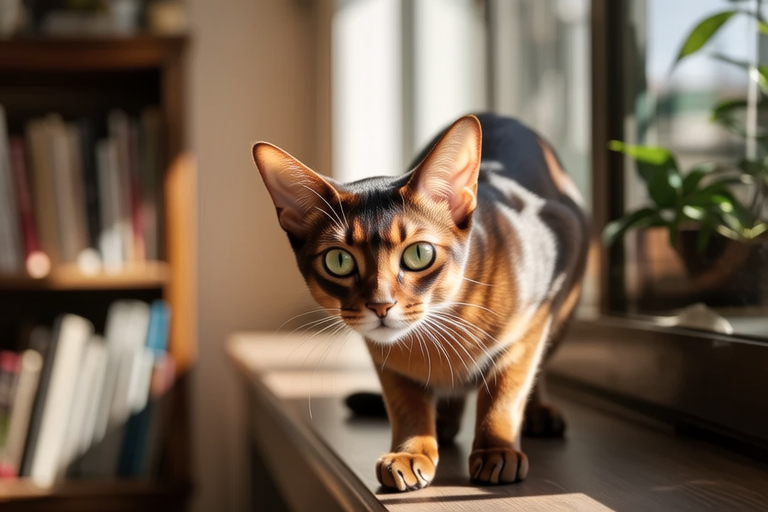
Abyssinian Cats: A Comprehensive Guide
The Abyssinian cat is one of the most recognizable and beloved breeds in the world. Known for their striking appearance, high intelligence, and playful nature, these cats have captured the hearts of many pet owners. This guide explores the unique behaviors, historical origins, and distinctive traits of Abyssinian cats, covering everything from their physical characteristics to their dietary needs and social habits.
Historical Origins and Myths
The exact origin of the Abyssinian cat remains a mystery, but there are several theories. Some believe that these cats originated in ancient Egypt, where they were revered as sacred animals. Others suggest that they were brought to England by British soldiers returning from Ethiopia (formerly known as Abyssinia), hence the name. However, genetic studies have revealed that the modern Abyssinian is more closely related to Southeast Asian breeds than to African ones.
One popular myth about the Abyssinian is that they are descendants of the Egyptian cat-goddess Bastet. While this story adds to the mystique surrounding the breed, it is important to remember that it is just a legend. The true history of the Abyssinian cat is still being uncovered by researchers today.
Physical Characteristics
Abyssinians are medium-sized cats with a sleek, muscular build. They have long legs, a slender neck, and a wedge-shaped head. Their large, almond-shaped eyes are usually green or gold, and their ears are wide at the base and taper to a point. One of the most distinctive features of the Abyssinian is their coat, which has a ticked or agouti pattern. Each hair has bands of color, giving the fur a shimmering, iridescent effect.
The breed comes in four recognized colors: ruddy (the most common), blue, fawn, and cinnamon. There are also less common variations such as silver, chocolate, and lilac. These colors are determined by the presence or absence of certain pigments in the skin and hair.
Intelligence and Social Habits
Abyssinians are known for their intelligence and curiosity. They are highly active and enjoy exploring their environment. These cats are often referred to as “the clowns of the cat world” due to their playful antics and mischievous behavior. They are also very social animals and tend to form strong bonds with their human companions. Abyssinians are not typically lap cats, but they will follow their owners around the house, seeking attention and interaction.
In addition to their social nature, Abyssinians are also quite vocal. They communicate with their owners through chirping, trilling, and even meowing. Some owners find their vocalizations charming, while others may find them a bit overwhelming. Despite their outgoing personalities, Abyssinians can be selective about who they bond with, often preferring one family member over others.
Common Health Issues
Like all breeds, Abyssinians are prone to certain health problems. One of the most serious conditions affecting this breed is Periodontal Disease. This occurs when bacteria builds up on the teeth, leading to inflammation of the gums and eventual tooth loss. To prevent this, owners should brush their cat’s teeth regularly and take them for professional cleanings as needed.
Another common issue in Abyssinians is Renal Amyloidosis, a condition where abnormal proteins accumulate in the kidneys. This can lead to kidney failure if left untreated. Early detection and treatment are crucial for managing this condition. Owners should monitor their cat’s health closely and bring them to the vet for regular check-ups.
Dietary Needs and Exercise Routines
Abyssinians require a balanced diet rich in protein, fat, and essential nutrients. High-quality commercial cat foods formulated for indoor or adult cats are generally sufficient, but owners should always consult with a veterinarian before making any changes to their cat’s diet. In addition to their regular meals, Abyssinians may benefit from occasional treats or supplements to support their overall health.
Exercise is equally important for maintaining an Abyssinian’s physical and mental well-being. These cats are naturally active and enjoy playing games that stimulate their minds and bodies. Interactive toys, puzzle feeders, and climbing structures can help keep them entertained and engaged. Owners should aim to provide at least 30 minutes of playtime each day, adjusting the duration based on their cat’s energy levels and preferences.
Interaction with Other Pets and Humans
Abyssinians generally get along well with other animals, including dogs and other cats. However, they may need time to adjust to new additions to the household. It is important to introduce new pets gradually and supervise interactions until everyone feels comfortable. Abyssinians are also known for their affectionate nature towards humans, often forming close bonds with their owners.
When introducing an Abyssinian to a new home, it is important to create a safe and welcoming environment. Provide plenty of hiding spots, perches, and scratching posts to help your cat feel secure. Gradually introduce new stimuli, such as different sounds and scents, to help your cat become accustomed to its surroundings. Patience and consistency are key during this process.
Secret Personality Traits
While Abyssinians are generally known for their playful and social nature, there are some lesser-known aspects of their personality that make them truly unique. For example, many owners report that their Abyssinians have a particular affinity for water. Some cats will even drink directly from faucets or bathe themselves in shallow pools of water. This behavior is believed to be linked to their ancestral roots in coastal regions.
Another interesting trait of Abyssinians is their tendency to engage in “zoomies.” This refers to sudden bursts of hyperactivity, often accompanied by darting movements and quick turns. Zoomies can occur at any time of day, but they are most common after periods of rest or during playtime. While zoomies can be amusing to watch, they can also pose a risk to the safety of both the cat and its surroundings. Owners should ensure that their homes are free of hazards and provide ample opportunities for physical activity.
Tips for Owners
Raising an Abyssinian requires dedication and effort, but the rewards are well worth it. Here are some tips for ensuring your cat lives a happy and healthy life:
- Provide mental stimulation: Abyssinians are intelligent creatures that thrive on challenges. Consider incorporating puzzle toys, interactive games, and training sessions into your daily routine.
- Maintain a consistent schedule: Abyssinians appreciate routine and predictability. Establishing a regular feeding, play, and grooming schedule can help your cat feel more secure.
- Promote dental hygiene: Brush your cat’s teeth regularly and schedule professional cleanings as needed. This will help prevent periodontal disease and maintain your cat’s oral health.
- Monitor your cat’s weight: Obesity can lead to a variety of health problems, so it is important to monitor your cat’s weight and adjust its diet accordingly.
- Stay informed: Keep up-to-date with the latest research and advice regarding Abyssinian care. This will help you provide the best possible care for your cat throughout its lifetime.
Conclusion
Abyssinian cats are fascinating creatures with a rich history and unique set of traits. From their striking appearance to their playful and curious nature, these cats offer endless entertainment and companionship. By understanding their needs and providing proper care, owners can ensure that their Abyssinian lives a long, healthy, and happy life. Whether you’re a seasoned cat owner or considering adding an Abyssinian to your family, this guide provides valuable insights into the care and management of this remarkable breed.
