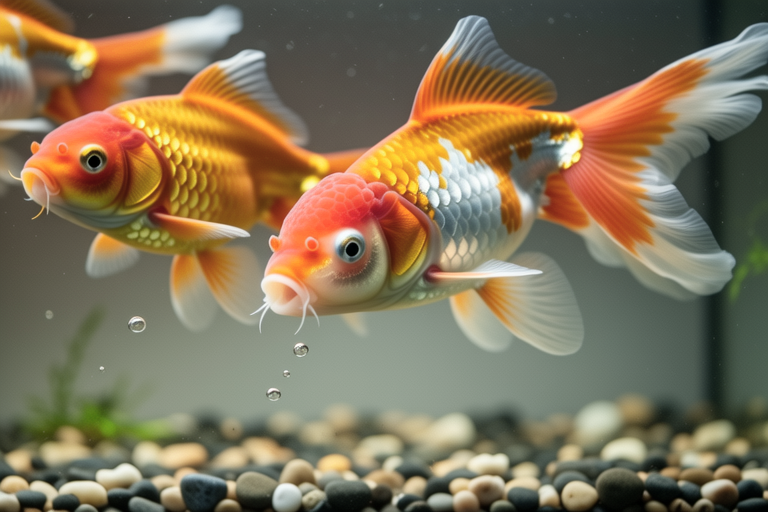
Goldfish Lifespan Secrets: What Every Fish Owner Needs to Know
Goldfish are one of the most popular choices for first-time pet owners. Their vibrant colors, friendly demeanor, and relatively low maintenance requirements make them an attractive option for families and individuals alike. However, while goldfish may seem simple to care for, understanding their lifespan and the factors that influence it is crucial for providing them with a long, healthy life. This article delves into the secrets of extending your goldfish’s lifespan, offering valuable insights for both novice and experienced fish owners.
The Importance of Understanding Goldfish Lifespan
Goldfish can live anywhere from five to ten years, but some have been known to reach ages of up to thirty years under ideal conditions. The key to achieving these longer lifespans lies in providing optimal living conditions and attentive care. By understanding the factors that affect their longevity, you can ensure that your goldfish thrives in its environment, leading a healthier and more fulfilling life.
Factors Affecting Goldfish Longevity
Water Quality
One of the most critical aspects of goldfish care is maintaining excellent water quality. Goldfish produce a significant amount of waste, which can quickly deteriorate water quality if not managed properly. Regular partial water changes, adequate filtration, and monitoring of water parameters such as pH, ammonia, nitrite, and nitrate levels are essential. Poor water quality can lead to stress, disease, and shortened lifespans.
Tank Size
Providing ample space is vital for goldfish health. Understocked tanks allow for better water quality and reduced stress. A general rule of thumb is to provide at least 20 gallons of water per goldfish. Larger tanks also offer more swimming space, reducing the risk of injuries from collisions with decorations or tank walls. Additionally, larger tanks are easier to maintain in terms of water quality.
Diet
A balanced diet is crucial for goldfish health. Overfeeding can lead to obesity and digestive problems, while inadequate nutrition can weaken their immune system, making them susceptible to diseases. Offer a variety of foods, including high-quality pellets, flakes, and occasional treats like freeze-dried or frozen bloodworms. Feed only what your goldfish can consume within a few minutes, twice daily.
Common Health Issues
Like any other pet, goldfish are prone to various health issues. Common ailments include fin rot, swim bladder disorders, and parasites. Recognizing the signs of illness early on is essential for effective treatment. Symptoms such as lethargy, loss of appetite, abnormal swimming behavior, or visible sores warrant immediate attention. Regular observation and prompt action can prevent minor issues from becoming severe.
Maintaining Optimal Tank Conditions
Water Changes
Performing regular water changes is one of the most important tasks in goldfish care. Aim to change about 25% of the tank water weekly, ensuring that the new water matches the temperature and chemistry of the existing water. This helps remove accumulated toxins and maintains stable water conditions.
Filtration
Adequate filtration is necessary to keep the water clean and free from harmful substances. Choose a filter that provides mechanical, biological, and chemical filtration. Mechanical filtration removes debris, biological filtration supports beneficial bacteria that break down waste products, and chemical filtration helps absorb dissolved organic compounds.
Heating and Lighting
While goldfish are coldwater fish, they still benefit from a stable water temperature. Most goldfish thrive in temperatures between 68°F and 74°F (20°C and 23°C). Heating your tank can help maintain this range, especially during colder months. Proper lighting is also important, promoting natural behaviors and aiding in the photosynthesis of live plants if present.
Proper Feeding Practices
Feeding your goldfish correctly is crucial for their overall health. Goldfish have small stomachs and should be fed multiple small meals throughout the day rather than one large meal. This mimics their natural grazing habits and prevents overeating. Be mindful of portion sizes and avoid feeding more than your fish can consume within a few minutes.
Signs of a Healthy Goldfish
Observing your goldfish regularly allows you to notice subtle changes in behavior or appearance that might indicate health issues. A healthy goldfish should exhibit the following characteristics:
- Active swimming with no signs of lethargy or difficulty moving
- Clear eyes and fins without any tears or discoloration
- Normal breathing patterns without labored breathing
- Healthy appetite and regular bowel movements
Regular Veterinary Care
Although less common than for other pets, goldfish can benefit from regular veterinary check-ups. Aquatic veterinarians specialize in fish health and can provide expert advice on maintaining your goldfish’s well-being. They can also diagnose and treat illnesses that may be difficult to identify or manage on your own.
The Emotional Bond Between Owners and Their Fish
Despite their silent nature, goldfish can form a strong emotional bond with their owners. Watching them swim gracefully, interact with each other, and respond to stimuli can bring joy and relaxation. Many fish owners find comfort in the routine of caring for their aquatic companions, creating a peaceful and rewarding experience.
In conclusion, understanding and implementing the factors that contribute to a goldfish’s longevity is essential for responsible pet ownership. By focusing on water quality, tank size, diet, and regular health checks, you can ensure that your goldfish enjoys a long and healthy life. Additionally, fostering an emotional connection with your fish enriches the pet-owning experience, making it even more rewarding.
