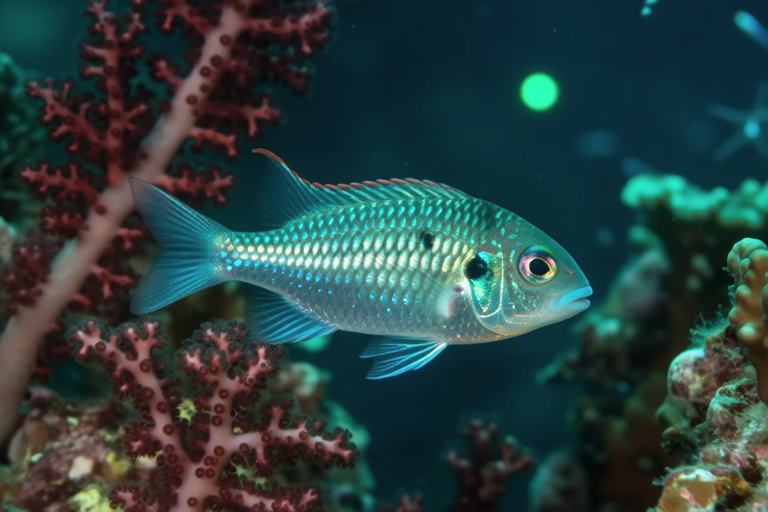
The Nocturnal Behaviors and Secret Lives of Parrot Fish
Parrotfish, with their vibrant colors and fascinating behaviors, are some of the most captivating creatures of the ocean. These fish, belonging to the family Scaridae, are primarily active during the day, but their secret lives at night are equally intriguing. As the sun sets, these colorful reef dwellers undergo significant transformations, both physically and behaviorally, adapting to the challenges of the dark ocean. This article explores the nocturnal behaviors and secret lives of parrot fish, detailing their activities, transformations, and interactions during nighttime. We will also discuss their unique adaptations for sleep, feeding patterns, and how they navigate their environment under low light conditions.
Physical Transformations During Nighttime
One of the most striking features of parrot fish is their ability to change color and texture during the night. These changes serve multiple purposes, including camouflage and protection from predators. Under the cover of darkness, many species of parrot fish transform their bright daytime hues into more subdued, drab colors. This transformation is achieved through specialized chromatophores, cells that can expand or contract to alter the fish’s appearance. Some species even develop a layer of mucus over their scales, which helps to mask their scent and further deter potential predators.
In addition to their color changes, parrot fish also undergo physical modifications that enhance their survival during the night. For example, some species of parrot fish grow a thick, bony plate over their eyes, providing additional protection against nocturnal predators. Others develop thicker skin, making them less appealing targets for predators who rely on biting or tearing their prey. These adaptations highlight the importance of survival mechanisms in the complex ecosystem of the ocean.
Navigating the Dark Waters
Navigating the dark waters of the ocean at night poses significant challenges for parrot fish. Despite the reduced visibility, these fish have developed remarkable abilities to find their way around their environment. One of the key adaptations is their reliance on their sense of smell. Parrot fish possess highly sensitive olfactory organs that allow them to detect chemical signals in the water, helping them locate food sources and avoid obstacles. Additionally, some species use sound as a navigational tool, listening for the characteristic noises made by other marine life and the movement of currents.
Another important adaptation is their ability to memorize the layout of their territory. Parrot fish often return to the same sleeping spots each night, creating familiar environments that offer protection and comfort. They may also form temporary schools with other parrot fish, increasing their chances of survival through safety in numbers. This behavior is particularly common in areas where predators are more prevalent, such as near coral reefs or in open waters.
Feeding Patterns and Ecological Role
While many marine animals reduce their activity during the night, parrot fish continue to feed, albeit in a different manner than during the day. At night, parrot fish primarily graze on algae and small organisms attached to rocks and coral. Their strong jaws and beak-like teeth enable them to scrape off layers of algae, contributing to the maintenance of healthy coral reefs. This grazing behavior plays a crucial role in the ecological balance of marine ecosystems, preventing the overgrowth of algae that could otherwise smother corals and disrupt the delicate balance of the reef.
Moreover, the waste produced by parrot fish serves as a valuable source of nutrients for the surrounding ecosystem. As they digest their food, they release calcium carbonate, which helps to build and strengthen the structure of the coral reefs. This process, known as biomineralization, is essential for the long-term health and resilience of coral reefs, which are vital habitats for countless marine species.
Interactions and Social Behavior
During the night, parrot fish engage in various social behaviors that contribute to their survival and well-being. Many species form temporary schools, swimming together in groups for protection against predators. These schools can vary in size, ranging from a few individuals to large gatherings of hundreds of fish. Swimming in close proximity to one another not only provides a sense of security but also allows parrot fish to share information about food sources and potential threats.
Some species of parrot fish also engage in cleaning behaviors at night. Certain cleaner fish, such as wrasses, provide a service to parrot fish by removing parasites and dead tissue from their bodies. This mutualistic relationship benefits both parties, as the cleaner fish receive a steady food supply, while the parrot fish enjoy improved health and reduced risk of infection. These interactions highlight the intricate web of relationships within marine ecosystems, where different species depend on one another for survival.
Unique Adaptations for Sleep
Sleeping in the ocean presents unique challenges for parrot fish, as they must remain alert to potential threats while conserving energy. To achieve this balance, parrot fish have developed several adaptations that allow them to rest safely and efficiently. One of these adaptations is the formation of a mucous cocoon, a protective barrier that envelops the fish during sleep. This cocoon acts as a deterrent to parasites and small predators, while also reducing the amount of water that flows over the fish’s body, minimizing the noise that could attract larger predators.
Additionally, parrot fish exhibit a behavior known as “sleep swimming,” where they maintain a slow, steady motion throughout the night. This behavior allows them to conserve energy while remaining mobile and responsive to potential threats. By staying in constant motion, parrot fish can avoid becoming entangled in seaweed or coral, and they are better prepared to flee if danger approaches. These adaptations demonstrate the remarkable ways in which parrot fish have evolved to thrive in their challenging underwater environment.
Conclusion: The Importance of Parrot Fish in Marine Ecosystems
The nocturnal behaviors and secret lives of parrot fish reveal a fascinating world of adaptation and survival. From their physical transformations to their unique feeding patterns and social interactions, these fish play a crucial role in maintaining the health and balance of marine ecosystems. Their grazing habits help to prevent the overgrowth of algae, while their waste contributes to the structural integrity of coral reefs. Furthermore, their interactions with other species, such as cleaner fish, highlight the interconnectedness of marine life.
Understanding the nocturnal behaviors of parrot fish not only enriches our appreciation of these remarkable creatures but also underscores the importance of protecting marine ecosystems. By preserving the habitats of parrot fish and other marine species, we can ensure the continued health and diversity of our oceans for generations to come.
