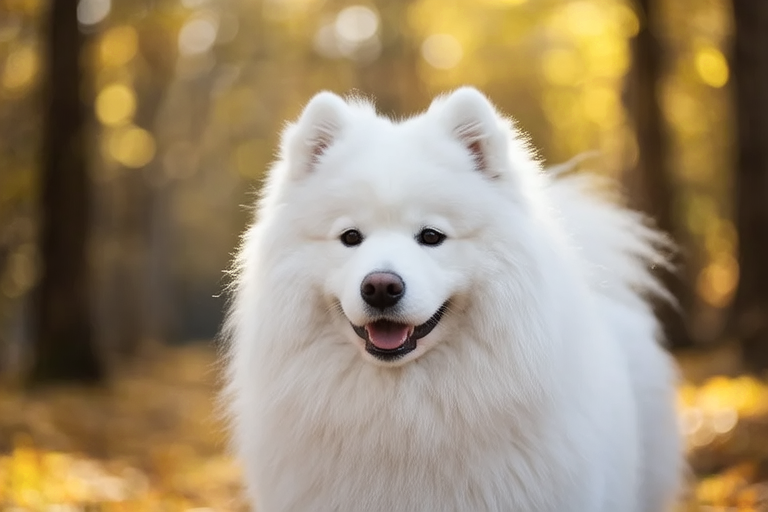
Meet the Fluffy Wonder: A Day in the Life of a Samoyed
Welcome to the world of the Samoyed, a breed that has captured hearts for centuries with its striking appearance and friendly demeanor. Known as the “Fluffy Wonder,” this dog is more than just a pretty face; it’s a loyal companion with a rich history and a heart full of love. Join us as we explore a day in the life of a Samoyed, delving into their daily activities, temperament, and unique characteristics.
A Brief History of the Samoyed
The Samoyed hails from Siberia, where it was originally bred by the nomadic Samoyede people. These dogs were essential companions, helping herd reindeer, pull sleds, and even keeping their human families warm with their thick coats. Their resilience and adaptability made them invaluable to the Samoyede people, and over time, their gentle nature and striking looks caught the attention of travelers and breeders alike. Today, the Samoyed is a beloved family pet and show dog, cherished for its loyalty and charm.
Physical Traits: The Fluffy Wonder
One glance at a Samoyed, and you’ll understand why they’re often called “the fluffiest dogs.” Their double coat is their most distinctive feature, providing both insulation and a stunning appearance. The outer layer is coarse and water-resistant, while the undercoat is dense and soft, giving them their signature plush look. Their fur comes in various shades of white, cream, or biscuit, often accented by a ruff around the neck and feathering on their legs. Their expressive blue or brown eyes and curled tail add to their endearing appeal.
Daily Activities: A Busy Day in the Life of a Samoyed
A typical day for a Samoyed begins early, with the sun rising over the horizon. As the first light of dawn touches their fur, they stretch out their paws, ready to greet the day. Their energy levels are high, and they are eager to start their morning routine. Whether it’s a brisk walk around the neighborhood or a game of fetch in the park, they thrive on physical activity. Their natural instincts as herding dogs mean they enjoy having a job to do, so engaging them in tasks or training sessions can keep them mentally stimulated.
After their morning exercise, it’s time for breakfast. Samoyeds have hearty appetites, especially after a morning of play. They are known for their love of food, and it’s important to monitor their intake to prevent obesity. Once fed, they settle down for a bit of rest, perhaps lounging in a sunny spot or curling up with their favorite toy. Their thick coats provide excellent insulation, making them comfortable in a wide range of temperatures.
The afternoon brings more opportunities for social interaction. Samoyeds are highly social animals and thrive in the company of their human families. They are often found following their owners around the house, offering companionship and support. Their gentle nature makes them great with children and other pets, and they enjoy participating in family activities. If there’s a family gathering or a visit from friends, the Samoyed is likely to be the center of attention, greeting guests with wagging tails and playful enthusiasm.
As the evening approaches, the Samoyed prepares for another round of playtime. This could involve chasing after a ball, playing tug-of-war, or simply running around the yard. Their endurance and stamina make them ideal for long walks or hikes, and they are always ready for an adventure. After a day of activity, they return home, tired but happy, ready for some quality time with their family before settling down for the night.
Temperament: A Gentle Giant
Samoyeds are known for their gentle and affectionate nature. They are often described as the “smiling” dogs due to their characteristic upturned mouth, which gives them a perpetually happy expression. This friendly disposition extends to everyone they meet, making them excellent family pets. Their patience and tolerance for children make them ideal companions for households with young ones, and they are generally welcoming to visitors.
Despite their gentle demeanor, Samoyeds can be quite protective of their families. They have a keen sense of awareness and will alert their owners to any unusual activity or potential threats. However, this protective instinct is balanced with a calm and composed approach, ensuring that they don’t become overly aggressive. Their intelligence and trainability also make them easy to work with, and they respond well to positive reinforcement techniques.
Interactions with Their Environment
Samoyeds are versatile and adaptable, thriving in a variety of environments. Their thick coats allow them to withstand cold weather, making them ideal for colder climates. However, they also enjoy warmer weather, as long as they have access to shade and plenty of water. Their curiosity and playful nature mean they are always exploring their surroundings, whether it’s a new park or a familiar backyard.
In addition to their physical environment, Samoyeds are deeply connected to their social environment. They form strong bonds with their families and other pets, often becoming the glue that holds a household together. Their ability to get along well with other animals makes them a popular choice for multi-pet households. Whether it’s a cat, another dog, or even small animals like rabbits, Samoyeds are usually tolerant and patient, fostering a peaceful coexistence.
Unique Characteristics
Samoyeds possess several unique characteristics that set them apart from other breeds. One of the most notable is their double coat, which requires regular grooming to maintain its health and appearance. Their thick fur can mat if not cared for properly, so brushing them regularly is essential. Their coats also shed seasonally, and during these times, extra care is needed to manage the shedding.
Another unique trait is their vocalization. While not overly loud, Samoyeds do tend to bark when they feel the need to communicate. This can be useful for alerting their owners to potential dangers, but it also means that they may need training to curb excessive barking. Their barks are typically high-pitched and melodic, adding to their charming personality.
Care and Maintenance
Proper care and maintenance are crucial for keeping a Samoyed healthy and happy. Regular grooming is necessary to keep their coat in top condition, and this includes brushing them several times a week to prevent matting. Bathing should be done as needed, but it’s important to avoid over-bathing, as this can strip their coat of its natural oils. Their nails should be trimmed regularly, and their teeth should be brushed to maintain oral hygiene.
Feeding a Samoyed a balanced diet is also important. They require high-quality dog food that meets their nutritional needs, and portion control is key to preventing obesity. Fresh water should always be available, especially after periods of heavy exercise. Regular veterinary check-ups are recommended to ensure their overall health and wellbeing.
Conclusion
The Samoyed is truly a wonder to behold, both in appearance and character. Their rich history, combined with their gentle nature and playful spirit, make them an ideal companion for many families. Whether you’re looking for a loyal friend, a protective guardian, or simply a fluffy bundle of joy, the Samoyed has much to offer. With proper care and attention, they can bring years of happiness and companionship to your life. So, why not consider welcoming a Samoyed into your family? You won’t regret it!
