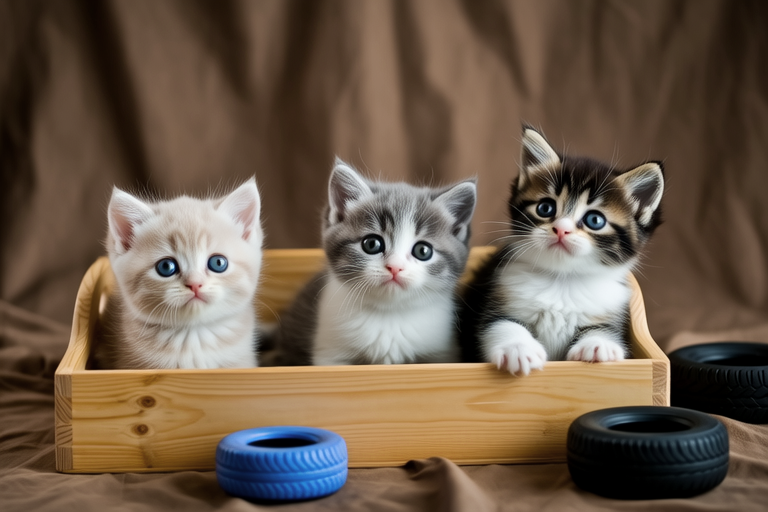
Adorable Munchkins: The Kittens With Tiny Tires
Welcome to the enchanting world of Munchkin cats, a breed that has captured the hearts of cat lovers everywhere with their distinctive short legs and playful demeanor. These adorable felines are often compared to kittens with tiny tires due to their disproportionately short limbs, which give them a unique and charming appearance. In this article, we’ll explore the fascinating characteristics, history, and care requirements of Munchkin cats, as well as address some common misconceptions about the breed.
The Unique Characteristics of Munchkin Cats
Munchkin cats are best known for their short legs, a genetic mutation that results in a condition called hyposthesis. This condition affects the spine and causes the vertebrae to be shorter than normal, leading to their signature short-legged appearance. Despite their diminutive limbs, Munchkins are surprisingly agile and can run at impressive speeds, making them excellent climbers and jumpers. Their legs may be shorter, but their ability to move around is not compromised.
Besides their unique physical trait, Munchkin cats are also recognized for their playful and affectionate nature. They are known to be highly social and love to interact with their human companions. These cats are curious and enjoy exploring their surroundings, making them perfect playmates for families or individuals looking for a lively companion. Their friendly disposition makes them great with children and other pets, further enhancing their appeal.
A Brief History of Munchkin Cats
The history of Munchkin cats dates back to the early 1980s when a breeder named Sandra Hochenedel discovered a pregnant stray cat with short legs in Louisiana. She named the cat Blackberry and later mated her with a domestic shorthair cat. The offspring inherited the short-legged trait, and thus, the Munchkin breed was born. Over time, the breed gained popularity and recognition from various cat registries.
Despite their relatively recent origin, Munchkin cats have quickly become a beloved breed among cat enthusiasts. Their distinct appearance and friendly personalities have made them a favorite among those who appreciate unique and lovable feline companions. Today, Munchkin cats come in a variety of coat colors and patterns, adding to their charm and versatility.
Care Requirements for Munchkin Cats
While Munchkin cats are generally healthy and robust, there are certain care considerations that potential owners should keep in mind. Due to their short legs, it’s important to provide them with a comfortable living environment that accommodates their unique needs. Elevated feeding stations and litter boxes can help prevent strain on their backs, and providing soft bedding will ensure they are comfortable and happy.
Regular veterinary check-ups are essential to monitor their overall health and catch any potential issues early. Munchkins are prone to certain health conditions, such as spinal problems and respiratory issues, which can be managed with proper care and attention. A balanced diet and regular exercise are also crucial for maintaining their well-being. Providing toys that encourage climbing and jumping can help keep them active and engaged.
Common Misconceptions About Munchkin Cats
One of the most common misconceptions about Munchkin cats is that their short legs make them less capable of leading a normal life. However, this couldn’t be further from the truth. While their legs are shorter, Munchkin cats are incredibly agile and can perform many of the same activities as other breeds. They are known for their speed and dexterity, making them excellent climbers and jumpers.
Another misconception is that Munchkin cats are prone to more health problems than other breeds. While they do face certain challenges due to their unique anatomy, with proper care and attention, they can lead long and healthy lives. It’s important to research and understand the specific needs of the breed before deciding to bring one into your home.
The Impact of Appearance on Behavior and Lifestyle
The distinctive appearance of Munchkin cats plays a significant role in shaping their behavior and lifestyle. Their short legs may limit their ability to reach high places, but they are still curious and love to explore. To accommodate their need for adventure, it’s recommended to provide them with sturdy furniture and safe climbing structures. This will allow them to satisfy their curiosity while minimizing the risk of injury.
Munchkin cats are also known for their playful and affectionate nature, which is enhanced by their appearance. Their unique look often attracts attention, making them popular pets and show cats. Their friendly demeanor and social nature make them great companions for families and individuals alike. Their adaptability and ease of care also make them a popular choice for apartment dwellers.
Conclusion
Munchkin cats are truly adorable and endearing creatures that have captured the hearts of many. Their unique short-legged trait, playful nature, and affectionate personality make them a delightful addition to any household. By understanding their specific needs and providing proper care, you can ensure that your Munchkin cat leads a happy and healthy life. Whether you’re a seasoned cat owner or a first-time pet parent, a Munchkin cat is sure to bring joy and companionship to your home.
