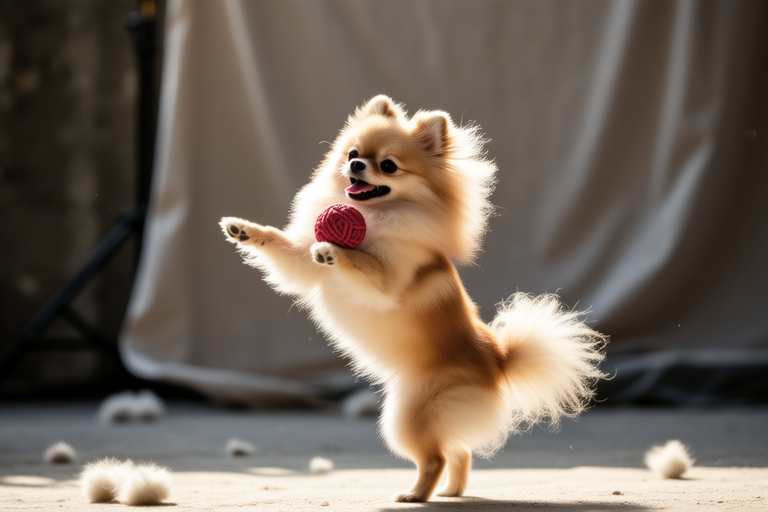
Unraveling the Mystery Behind Pomeranians’ Playful Behavior
Pomeranians, with their fluffy coats and perky ears, are one of the most recognizable breeds of dogs. Known for their small size and big personalities, these little dogs are often described as lively and full of energy. But what exactly makes them so playful? This article delves into the genetic factors, historical background, and environmental influences that contribute to the playful nature of Pomeranians. We will also provide insights from dog behaviorists and veterinarians, offering tips for owners on how to channel this playfulness into positive interactions.
The Genetic Factors Behind Pomeranian Playfulness
Genetics plays a significant role in shaping the behavior of any breed, including Pomeranians. The breed’s ancestors, the larger Spitz-type dogs, were known for their hunting instincts and high energy levels. Over time, selective breeding has resulted in a smaller version of these dogs, but the genetic makeup still retains many of the original traits.
Dog behaviorists suggest that the genes responsible for the hunting instincts in larger Spitz-type dogs have been passed down to Pomeranians. These genes contribute to their high levels of energy and curiosity, which manifest as playful behavior. Additionally, Pomeranians have a strong prey drive, which can be seen in their enthusiasm for chasing toys and playing fetch. This genetic predisposition to playfulness is further enhanced by their small size, making it easier for them to engage in energetic activities without tiring quickly.
The Historical Background of Pomeranians
The history of Pomeranians dates back several centuries, with their origins traced to the region of Pomerania, now part of Germany and Poland. Initially bred as working dogs, they were used for herding sheep and protecting property. However, over time, the breed evolved to become more of a companion animal. Queen Victoria of England played a crucial role in popularizing the breed in the 19th century, favoring smaller versions of the Pomeranian. Her influence led to a reduction in the size of the breed while retaining its playful and affectionate nature.
The transition from working dogs to companion animals has contributed to the breed’s playful behavior. As Pomeranians became more closely associated with human companionship, their energy was redirected towards social interaction and play. This shift in role has made them more adaptable and eager to please their owners, further enhancing their playful demeanor.
Environmental Influences on Pomeranian Playfulness
While genetics and history provide a foundation for understanding Pomeranian playfulness, environmental factors also play a significant role. A stimulating environment filled with toys, interactive games, and regular exercise can greatly enhance a Pomeranian’s playful behavior. On the other hand, a lack of mental and physical stimulation can lead to boredom and destructive behavior.
Dog behaviorists recommend providing Pomeranians with a variety of toys that cater to their natural instincts. Puzzle toys, for example, can stimulate their problem-solving abilities, while plush toys can satisfy their desire to chase and carry objects. Regular play sessions with owners or other dogs can also help keep Pomeranians engaged and happy. Additionally, incorporating training exercises into daily routines can provide mental stimulation and reinforce positive behaviors.
Veterinarians emphasize the importance of maintaining a consistent routine for Pomeranians, as this helps to reduce stress and anxiety, which can otherwise lead to behavioral issues. Ensuring that Pomeranians receive adequate attention and affection from their owners is equally important, as this strengthens the bond between pet and owner, fostering a more playful and trusting relationship.
Insights from Dog Behaviorists and Veterinarians
Dog behaviorists and veterinarians offer valuable insights into understanding and managing the playful behavior of Pomeranians. According to Dr. Sarah Johnson, a certified dog behaviorist, “Pomeranians are highly intelligent and social animals, and their playful nature is a reflection of their need for mental and physical stimulation. It’s essential for owners to provide opportunities for their pets to engage in activities that challenge their minds and bodies.”
Dr. Johnson suggests that owners should observe their Pomeranians closely to identify specific triggers for their playful behavior. For instance, some Pomeranians may become more playful when they see other dogs or people, while others may respond better to certain types of toys or games. By understanding these individual preferences, owners can tailor their interactions to suit their pet’s needs, ensuring that playtime remains enjoyable and beneficial.
Veterinarian Dr. Michael Thompson adds, “It’s important to remember that while Pomeranians are generally healthy and active dogs, they are prone to certain health conditions that can affect their behavior. Joint problems, for example, can limit their ability to engage in physical activities, leading to frustration and potentially destructive behavior. Regular check-ups and preventive care can help ensure that Pomeranians remain healthy and able to enjoy their playful nature.”
Tips for Owners to Channel Pomeranian Playfulness into Positive Interactions
Owners of Pomeranians can benefit from several strategies to channel their playful behavior into positive interactions. Firstly, establishing a routine that includes designated playtime can help structure the day and provide consistency. This routine should include a mix of activities that cater to different aspects of the Pomeranian’s personality, such as puzzle toys for mental stimulation and outdoor walks for physical exercise.
Secondly, incorporating training exercises into play sessions can reinforce positive behaviors and strengthen the bond between pet and owner. Simple commands like ‘sit,’ ‘stay,’ and ‘come’ can be taught during playtime, making it an enjoyable learning experience for both parties. Positive reinforcement techniques, such as praise and treats, should be used to encourage desired behaviors, while avoiding punishment for mistakes.
Thirdly, owners should ensure that their Pomeranians have access to a safe and stimulating environment. This can include providing a variety of toys, creating a designated play area, and arranging playdates with other dogs. Socialization is particularly important for Pomeranians, as it helps them develop confidence and good manners around others. Early exposure to different environments and experiences can also help prevent behavioral issues later in life.
Finally, owners should be mindful of their own behavior and set boundaries for their Pomeranians. While playfulness is encouraged, it’s important to ensure that it doesn’t escalate into aggressive or disruptive behavior. Consistent training and positive reinforcement can help establish clear rules and expectations, ensuring that playtime remains fun and safe for everyone involved.
Conclusion
Pomeranians are beloved for their playful and affectionate nature, a trait that is shaped by a combination of genetic factors, historical background, and environmental influences. Understanding the roots of their behavior and providing appropriate stimulation can help owners create a positive and enriching environment for their pets. By following the tips and insights provided by dog behaviorists and veterinarians, owners can channel their Pomeranians’ playfulness into enjoyable and meaningful interactions, fostering a lifelong bond between pet and owner.
