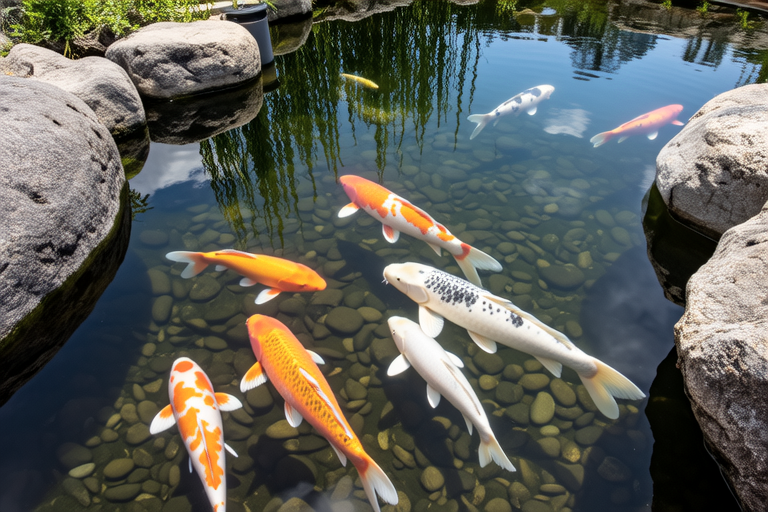
How to Create an Ideal Pond Habitat for Your Koi Fish
Koi fish are a popular choice for many pond enthusiasts due to their vibrant colors and graceful movements. Creating an ideal pond habitat for your koi fish requires careful planning and attention to detail. This guide will walk you through the essential elements of setting up a healthy, thriving environment for your aquatic pets.
Selecting the Right Pond Location
The first step in creating a pond habitat for koi fish is choosing the right location. The site should be relatively flat, away from strong winds that can cause excessive water movement and potential erosion. It’s also important to consider the proximity to trees or shrubs, as falling leaves can affect water quality. Ideally, the pond should be situated where it receives partial sunlight, benefiting from morning sun but shaded during the hottest part of the day. Avoid areas prone to flooding or standing water.
Pond Size and Depth
The size and depth of your pond play crucial roles in maintaining optimal conditions for koi fish. A minimum pond size of about 1,000 gallons (3,785 liters) is recommended to provide enough space for your fish to swim comfortably. Deeper ponds, around 4 to 6 feet (1.2 to 1.8 meters), are preferable because they offer better temperature stability and more dissolved oxygen. Deeper ponds also help protect fish from predators and harsh weather conditions.
Filtration Systems
An effective filtration system is vital for keeping the pond water clean and clear. There are several types of filters available: mechanical, biological, and chemical. Mechanical filters trap large debris like leaves and uneaten food. Biological filters house beneficial bacteria that break down harmful ammonia and nitrite into less toxic nitrate. Chemical filters use substances like activated carbon to absorb dissolved organic compounds and medications.
When choosing a filter, ensure it has sufficient capacity to handle the volume of water in your pond. For example, a filter rated for 100 gallons per hour (GPH) should process all the water in your pond at least once every two hours.
Water Quality Maintenance
Maintaining good water quality is key to the health of your koi fish. Regularly test the water parameters such as pH, ammonia, nitrite, and nitrate levels using test kits. Keep the pH between 7.0 and 8.0, which is suitable for most koi fish. Ammonia and nitrite should always read zero, while nitrate levels below 50 parts per million (ppm) are considered safe.
To maintain water quality, perform routine partial water changes, typically removing about 10% of the water weekly. Use a gravel vacuum to clean the substrate and remove any accumulated waste. Additionally, adding a dechlorinator to new water helps neutralize chlorine and chloramines present in tap water.
Aeration Techniques
Adequate aeration is necessary for ensuring proper oxygen levels in the pond. Koi fish require dissolved oxygen to breathe, and a lack of it can lead to stress and illness. Surface agitation from waterfalls, fountains, or aerators increases oxygen exchange at the water surface. Submersible pumps and air stones placed near the bottom of the pond can also enhance circulation and oxygenation.
Appropriate Plants for Oxygenation and Aesthetics
Plants not only add beauty to your pond but also contribute significantly to its ecological balance. Floating plants like water lettuce and water hyacinth cover the water surface, providing shade and reducing algae growth. Submerged plants such as hornwort and anacharis produce oxygen through photosynthesis and help control algae by competing for nutrients. Emergent plants like cattails and iris add visual interest while filtering pollutants from the water.
Shading Solutions to Maintain Temperature
Excessive heat can be detrimental to koi fish, causing stress and increasing susceptibility to diseases. Shading the pond is an effective way to regulate water temperature. Natural shading from trees or artificial structures like pergolas or umbrellas can reduce direct sunlight exposure. Floating plants also provide natural shade and cooling effects. Consider installing a floating pond cover if needed.
Methods for Preventing Algae Growth
Algae blooms can quickly turn your pond green and unsightly. To prevent algae growth, maintain a balanced ecosystem with sufficient plant coverage and adequate filtration. Limit the amount of light reaching the pond by providing adequate shade. Introduce algae-eating organisms like snails and tadpoles. Use barley straw extracts or algicides as a last resort when other methods fail.
Feeding Koi Fish Properly
Proper nutrition is essential for the health and longevity of your koi fish. Feed them high-quality commercial pellets formulated specifically for koi. Feed them small amounts several times a day rather than one large meal. Avoid overfeeding, as excess food can degrade water quality. Adjust the quantity based on the water temperature; feed less during colder months when fish are less active.
Integrating Beneficial Bacteria into the Pond Ecosystem
Beneficial bacteria play a critical role in breaking down organic matter and maintaining water clarity. Introduce these bacteria early in the setup process to establish a healthy biological filter. You can purchase bacterial additives designed for pond use and follow the manufacturer’s instructions for application. Once established, these bacteria will continue to thrive, supporting the overall health of your pond ecosystem.
In conclusion, creating an ideal pond habitat for your koi fish involves careful consideration of various factors including location, size, filtration, water quality, aeration, plant selection, shading, algae prevention, feeding practices, and bacterial integration. By following these guidelines, you’ll provide a nurturing environment that ensures your koi fish live long, healthy lives filled with joy and color.
