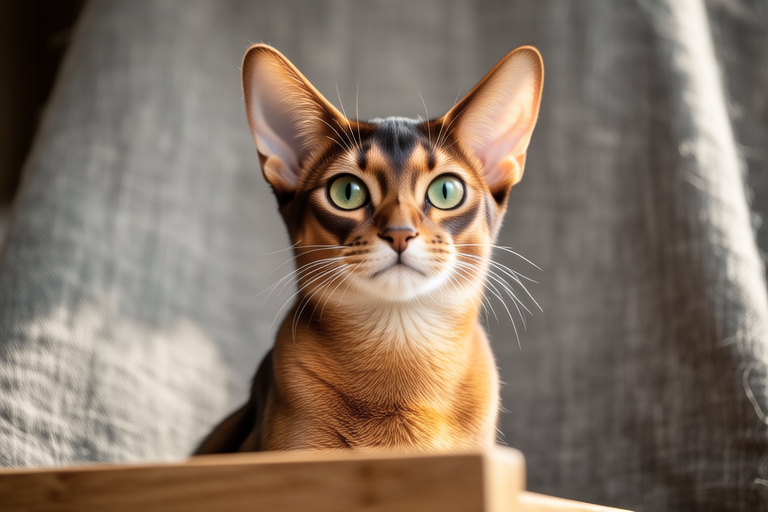
How to Care for an Abyssinian: Tips from Expert Pet Owners
The Abyssinian cat is a stunning breed known for its unique coat and lively personality. Originating from the ancient lands of Ethiopia, these cats have captured the hearts of many pet owners with their intelligence and charm. This article provides comprehensive guidance on how to care for an Abyssinian, offering insights from experienced owners to help you ensure your feline friend lives a healthy and happy life.
Understanding the Breed’s Origins and Characteristics
Despite their name, Abyssinians did not actually originate from Abyssinia (now Ethiopia), but they were named after the region due to their striking resemblance to the cats depicted in Egyptian art. The first recorded Abyssinian was named Zula and arrived in England from Ethiopia in the mid-1800s. Since then, they have become one of the most popular breeds globally.
Abyssinians are medium-sized cats with a muscular build, large ears, and expressive almond-shaped eyes. Their coats are short, dense, and have a distinctive ticked appearance, meaning each hair has bands of color. They come in various colors, including ruddy, red, blue, and fawn.
“Abyssinians are incredibly curious and love to explore,” says Sarah Thompson, a lifelong Abyssinian owner. “They’re always up for an adventure.”
Dietary Needs
Like all cats, Abyssinians require a balanced diet rich in protein and essential nutrients. High-quality commercial cat food is usually sufficient, but it’s important to consult with a veterinarian to determine the best diet for your specific cat. Some Abyssinians may benefit from additional supplements, such as omega-3 fatty acids, which can improve their coat health.
Ensure fresh water is always available, and consider wet food if your cat prefers it over dry kibble. Abyssinians are prone to obesity, so portion control is crucial. Monitor their weight regularly and adjust their diet accordingly.
“I’ve found that my Abyssinian loves canned tuna as a treat, but I only give it sparingly,” shares Mark Johnson, another experienced owner. “Too much can upset their stomach.”
Grooming Requirements
Abyssinians’ coats require minimal grooming due to their short, dense fur. However, regular brushing helps remove dead hair and prevent matting. A weekly session with a soft-bristled brush is recommended. Bathing is rarely necessary unless your cat gets particularly dirty.
Regular nail trimming is also important to avoid overgrown nails, which can cause discomfort and make it difficult for your cat to walk properly. Check their ears weekly for any signs of infection or wax buildup and clean them gently with a cotton ball and a veterinarian-approved ear cleaner if needed.
“I use a slicker brush for my Abyssinian,” notes Lisa Davis. “It keeps her coat looking shiny and healthy.”
Exercise and Playtime Recommendations
Abyssinians are highly active and playful cats that require plenty of stimulation. Providing a variety of toys and interactive games can keep them entertained and prevent boredom. Consider investing in a cat tree or scratching post to encourage climbing and scratching behavior, which helps maintain their claws.
Interactive play with laser pointers, feather wands, or automated toys can engage their hunting instincts and provide mental and physical exercise. Spend at least 15-20 minutes daily playing with your Abyssinian to strengthen the bond between you and your pet.
“My Abyssinian loves chasing a feather toy,” says Emily Wilson. “She gets so excited when we play together.”
Common Health Issues
Abyssinians are generally healthy cats, but they can be predisposed to certain conditions. Progressive retinal atrophy (PRA) is a degenerative eye disease that can lead to blindness. Regular veterinary check-ups are crucial for early detection and management.
Congenital heart defects, specifically hypertrophic cardiomyopathy (HCM), are also more common in this breed. HCM causes thickening of the heart muscle, leading to potential heart failure. Early diagnosis and treatment can significantly improve the quality of life for affected cats.
“Annual check-ups with the vet are essential,” advises Tom Lee. “Early intervention can make a huge difference.”
Socializing and Training
Abyssinians are sociable cats that enjoy interacting with humans and other pets. Early socialization is key to ensuring they grow into well-adjusted adults. Expose your kitten to various environments, people, and animals to help them become comfortable in different situations.
Training an Abyssinian can be challenging due to their independent nature, but positive reinforcement techniques can be effective. Use treats and praise to reward desired behaviors, and be patient and consistent. Avoid punishment, as it can damage the trust between you and your cat.
“Positive reinforcement really works with Abyssinians,” says Karen Brown. “They respond well to rewards and affection.”
Conclusion
Caring for an Abyssinian requires dedication and attention to their unique needs. By understanding their origins, providing proper nutrition, grooming, exercise, and socialization, you can ensure your Abyssinian lives a long, healthy, and happy life. Remember to consult with a veterinarian for personalized advice and regular check-ups. With the right care and love, your Abyssinian will bring years of joy and companionship to your home.
