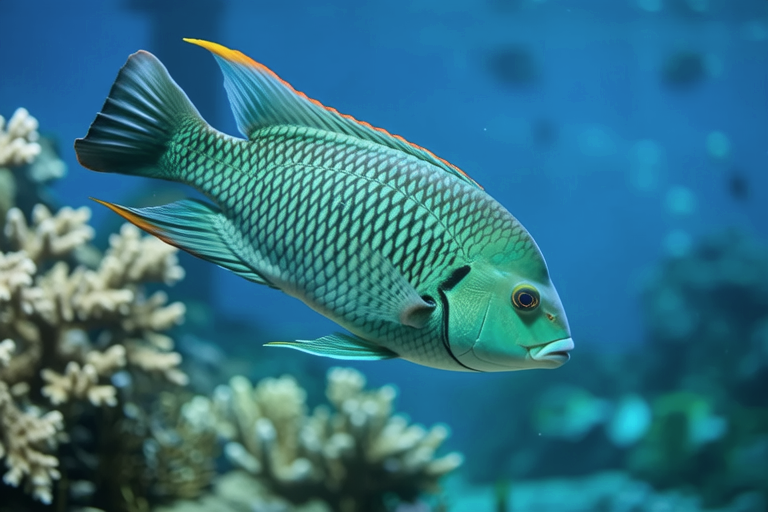
From Ocean to Aquarium: How Parrot Fish Adapt to New Environments
Introduction:
Parrot fish are among the most vibrant and fascinating creatures of the ocean, known for their striking colors and unique feeding habits. These fish are native to tropical and subtropical waters around the world, particularly in coral reefs. Their natural habitats include the warm waters of the Pacific, Indian, and Atlantic Oceans, where they play a crucial role in maintaining the ecological balance of these ecosystems. In the wild, parrot fish spend their days grazing on algae from coral reefs, which they grind down with their powerful beaks. This activity not only provides them with nutrition but also helps to maintain the health of the reef by preventing algal overgrowth.
Despite their beauty and importance in marine ecosystems, parrot fish are often sought after for home aquariums. However, transitioning from the vast and complex environment of the ocean to the more confined and controlled space of an aquarium presents several challenges. This article explores the journey of parrot fish from their natural oceanic homes to aquarium settings, focusing on the challenges they face, their remarkable adaptations, and tips for ensuring their health and well-being in captivity.
The Challenges of Transitioning to an Aquarium Environment:
When parrot fish are moved from their natural habitats to aquariums, they face significant changes in their living conditions, including water quality, diet, and social structures.
- Water Conditions: The saltwater in aquariums must closely mimic the ocean’s composition, which includes specific levels of salinity, temperature, and pH. Maintaining these parameters can be challenging for aquarium owners, especially when dealing with sensitive species like parrot fish. Any deviation from ideal conditions can lead to stress, illness, or even death.
- Diet: In the wild, parrot fish feed primarily on algae and coral polyps, utilizing their strong beaks to scrape these food sources off rocks and coral. Replicating this diet in an aquarium setting requires careful consideration. Providing a balanced diet that meets their nutritional needs while avoiding obesity is essential for their health.
- Social Structures: Parrot fish are generally solitary in nature, though they may form loose groups during feeding times. In the confines of an aquarium, maintaining appropriate social dynamics can be difficult. Overcrowding or incompatible tank mates can lead to stress and aggressive behavior.
Physiological and Behavioral Adaptations:
Despite the challenges of adapting to aquarium life, parrot fish have shown remarkable resilience and adaptability. Scientific studies have revealed several physiological and behavioral adaptations that help them thrive in their new environments.
One notable adaptation is their ability to adjust to different water temperatures. While parrot fish prefer warm waters, they can tolerate slight variations within their comfort zone. This flexibility allows them to survive in aquariums with varying water temperatures, provided they are within the acceptable range.
Behaviorally, parrot fish exhibit changes in their feeding habits to suit their new surroundings. In the wild, they rely on their beaks to scrape algae from rocks and coral. In captivity, they may need to learn to accept prepared foods, such as frozen or freeze-dried algae, pellets, or flakes. Some species may require additional supplements to ensure they receive all necessary nutrients.
Moreover, parrot fish demonstrate impressive color changes depending on their mood and environment. In the wild, their vibrant hues serve as camouflage and communication signals. In captivity, these colors can indicate stress or relaxation, providing valuable insights for aquarium owners.
Tips for Aquarium Owners:
To ensure the health and well-being of parrot fish in captivity, aquarium owners should follow several key guidelines:
- Water Quality: Regularly monitor and maintain optimal water conditions, including salinity, temperature, and pH. Perform routine water changes to prevent the buildup of harmful substances.
- Diet: Offer a varied diet that includes algae-based foods and supplements to meet their nutritional needs. Avoid overfeeding, as obesity can lead to health issues.
- Space: Provide ample swimming space and hiding spots to reduce stress. Avoid overcrowding and ensure compatibility with other tank inhabitants.
- Enrichment: Stimulate their natural behaviors by providing rock structures and live rock for grazing. Rotate decorations to keep the environment interesting and engaging.
- Monitoring: Closely observe their behavior and appearance for signs of stress or illness. Early detection and intervention can prevent serious health issues.
Conclusion:
The transition from the ocean to an aquarium is a significant change for parrot fish, presenting challenges in water conditions, diet, and social structures. However, through careful management and understanding of their needs, aquarium owners can provide a thriving environment for these beautiful creatures. By maintaining optimal water quality, offering a balanced diet, and enriching their environment, parrot fish can adapt and flourish in their new homes. As we continue to explore and appreciate marine life, it is our responsibility to ensure the well-being of these magnificent animals in captivity.
