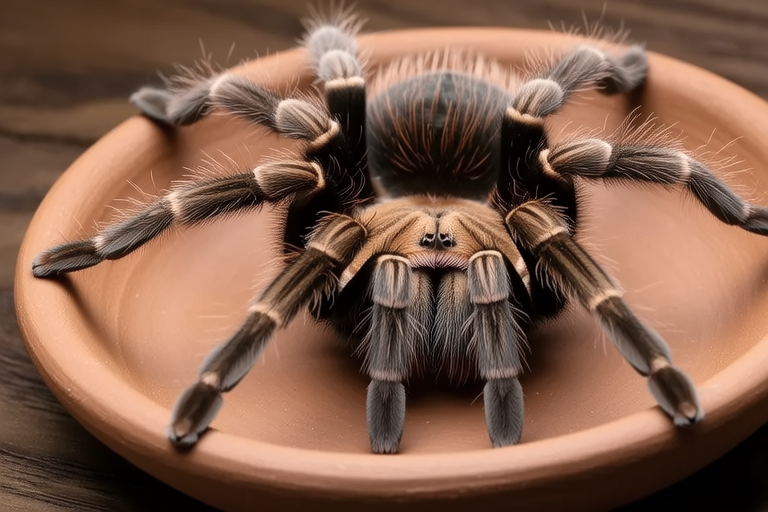
Debunking Myths About Living With a Chilean Rose Tarantula
The Chilean Rose Tarantula, also known as Grammostola rosea, is one of the most popular species among tarantula enthusiasts. These arachnids are often chosen as pets due to their manageable size, docile nature, and striking appearance. Despite their growing popularity, several misconceptions surround these creatures, leading to misunderstandings about their care, behavior, and suitability as pets. This article aims to dispel some of these myths and provide accurate information for those considering or already caring for a Chilean Rose Tarantula.
A Brief Introduction to the Chilean Rose Tarantula
The Chilean Rose Tarantula hails from the deserts and scrublands of South America, particularly in regions of Chile, Argentina, and Bolivia. They are named for their distinctive pinkish-brown coloration, which resembles a rose’s blush. With a body length of around 3 inches and leg spans reaching up to 6 inches, they are relatively small compared to other tarantula species. Their manageable size makes them ideal for indoor habitats, and their calm demeanor has earned them a reputation as beginner-friendly pets.
Myth 1: All Tarantulas Are Aggressive
One of the most pervasive myths about tarantulas is that they are aggressive creatures that will attack at the slightest provocation. While it is true that tarantulas can defend themselves if threatened, the Chilean Rose Tarantula is notably calm and rarely aggressive. In fact, these spiders prefer to avoid confrontation and will typically retreat into their burrows rather than lash out. Personal anecdote: I once had a Chilean Rose Tarantula that would simply back away when approached too closely, demonstrating its preference for peace over conflict.
Scientifically speaking, tarantulas have evolved defensive mechanisms such as urticating hairs (barbed bristles) on their abdomens that they can flick off as a deterrent against predators. However, this behavior is more common in other species and less so in the Chilean Rose Tarantula. It’s important to handle your tarantula with care and respect, but there’s no need to fear an aggressive response from your pet.
Myth 2: Tarantulas Require Extensive Care
Another misconception is that tarantulas require constant attention and specialized care. In reality, Chilean Rose Tarantulas are low-maintenance pets that thrive on minimal intervention. Their primary needs include a well-ventilated enclosure, appropriate substrate, and a diet of crickets or mealworms. A simple setup consisting of a terrarium with a layer of coconut fiber or vermiculite substrate, a water dish, and hiding spots provides everything they need.
Personal experience has shown that these spiders are solitary creatures that don’t require companionship or frequent handling. As long as their basic needs are met, they can live happily without much human interaction. This makes them perfect for individuals who want a pet that doesn’t demand a lot of time and attention.
Myth 3: Tarantulas Need Specialized Habitat Conditions
It’s often believed that tarantulas require specific temperature and humidity levels that can be difficult to maintain. While it’s true that each species has its preferred environmental conditions, the Chilean Rose Tarantula is quite adaptable. They naturally inhabit arid regions, so they don’t require high humidity levels. An ambient temperature between 75°F and 85°F (24°C to 29°C) is generally sufficient, which can be achieved with a heat mat or lamp.
Providing a shallow water dish helps maintain moisture levels and allows the tarantula to drink. The substrate should be kept slightly damp but not soggy. Regularly checking the enclosure for cleanliness and ensuring proper ventilation are the main tasks involved in maintaining their habitat. By keeping these simple guidelines in mind, you can create a comfortable environment for your Chilean Rose Tarantula without needing expensive equipment.
Myth 4: You Can’t Handle Your Tarantula
Many people believe that tarantulas are too fragile or dangerous to handle, which discourages potential owners from interacting with their pets. While it’s true that mishandling can harm a tarantula, gentle and respectful handling is possible and even beneficial for both the owner and the spider. Handling should always be done with care, ensuring that the tarantula feels secure and not threatened.
When handling your tarantula, it’s best to use a tarantula hook or a soft brush to gently guide them onto your hand. Avoid grabbing or pinching the spider, as this can cause stress or injury. With consistent, gentle handling, many Chilean Rose Tarantulas become accustomed to being held and may even show signs of comfort. Remember, each tarantula is an individual, and some may never fully adapt to being handled, which is perfectly normal.
Tips for Potential Owners
If you’re considering adding a Chilean Rose Tarantula to your family, here are some essential tips:
- Research thoroughly: Before bringing home your tarantula, make sure you understand its specific care requirements and are prepared to meet them.
- Provide a suitable habitat: Invest in a proper enclosure with the right substrate, temperature, and humidity controls.
- Feed appropriately: Offer a varied diet of crickets and mealworms, dusted with calcium and vitamin supplements.
- Handle with care: Always approach your tarantula gently and respect its boundaries.
- Be patient: Allow your tarantula time to acclimate to its new environment and to get used to your presence.
Emphasizing Responsible Pet Ownership
Owning a tarantula comes with significant responsibility. These creatures have unique needs that must be respected to ensure their health and happiness. It’s crucial to provide a safe and stimulating environment, offer appropriate nutrition, and handle them with care. Additionally, consider the long-term commitment involved, as Chilean Rose Tarantulas can live up to 15 years in captivity.
Responsible pet ownership also involves understanding that tarantulas are not for everyone. If you’re unsure about your ability to care for one properly, it might be better to choose a different pet. Ultimately, the goal is to provide a loving and nurturing home for your tarantula, ensuring it thrives in its new environment.
In conclusion, the Chilean Rose Tarantula is a fascinating and rewarding pet that challenges many common misconceptions. By understanding their true nature and care requirements, you can enjoy a fulfilling relationship with these remarkable arachnids. Whether you’re a seasoned tarantula keeper or a first-time owner, approaching your pet with knowledge and respect will lead to a harmonious and enriching experience.
