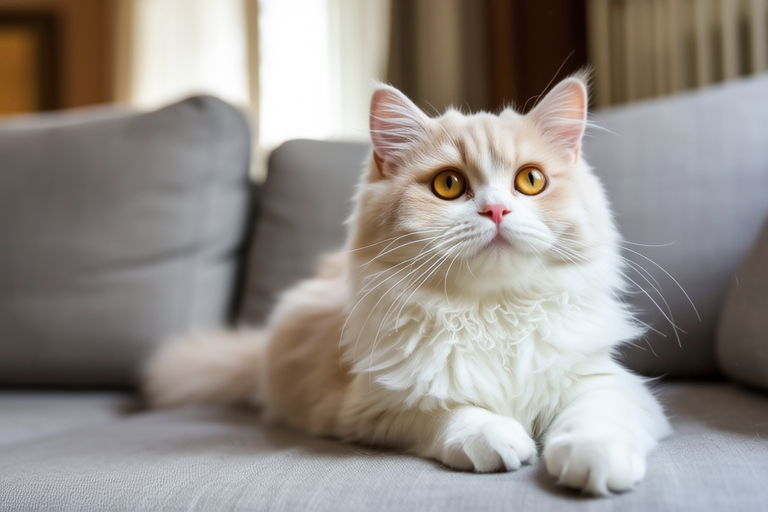
Secrets of Raising a Happy and Healthy Persian Cat in Any Household
Persian cats are renowned for their luxurious coats, gentle demeanor, and striking appearance. Their popularity stems from their elegance and the affection they bring to their human companions. However, raising a happy and healthy Persian cat requires more than just love; it involves understanding their specific dietary needs, grooming routines, living space requirements, and social interactions. This article will guide you through the essential aspects of caring for your Persian cat, ensuring they thrive in any household setting.
Optimal Diet Tailored for Persian Cats
The foundation of a Persian cat’s health lies in its diet. These cats have unique nutritional requirements due to their breed-specific traits, such as a tendency towards obesity and urinary tract issues. A balanced diet should include high-quality protein, essential fatty acids, and appropriate levels of vitamins and minerals. Consultation with a veterinarian can help determine the best food for your Persian based on age, weight, and overall health.
Persian cats benefit from diets rich in taurine, an amino acid crucial for heart and eye health. Wet foods are often recommended over dry kibble because they provide higher moisture content, which aids in hydration and kidney function. Avoid foods with fillers or artificial preservatives, as these can lead to digestive problems and other health issues. Incorporating fresh vegetables like carrots and green beans can offer additional nutrients while keeping meals interesting.
Essential Grooming Tips to Manage Their Long Coat
A Persian cat’s long, thick fur is one of its most defining features but also demands significant grooming attention. Daily brushing is necessary to prevent matting and hairballs. Use a slicker brush followed by a wide-tooth comb to remove loose hairs and tangles. Regular baths, about once every two weeks, are important to keep their coat clean and free from oil buildup.
In addition to regular grooming, maintaining hygiene around the eyes and ears is vital. Persians are prone to tear staining due to their flattened faces, so gently wiping their eyes daily with a soft cloth dampened in saline solution helps keep this area clean. Cleaning the ears with a cotton ball and pet-safe ear cleaner removes dirt and prevents infections. Nail trimming should be done weekly, and teeth brushing can be introduced gradually to maintain oral health.
Suitable Living Spaces and Environmental Enrichment
Creating a comfortable and stimulating living environment is key to a Persian cat’s happiness. Provide ample space for them to rest and explore within the home. Multi-level cat trees with scratching posts, cozy beds, and perches allow them to climb and observe their surroundings comfortably. Ensure there are hiding spots available for times when they need privacy or security.
Environmental enrichment enhances mental stimulation and physical activity. Interactive toys, puzzle feeders, and laser pointers encourage playful behavior and exercise. Rotate toys periodically to keep interest levels high. Window perches enable them to enjoy natural scenery, contributing positively to their mood. In multi-cat households, ensure each cat has separate resources like feeding areas and litter boxes to minimize stress.
Common Health Issues and Preventive Care
Persian cats are predisposed to certain health conditions that require vigilant monitoring and proactive care. Polycystic kidney disease (PKD), a hereditary condition affecting kidney function, is prevalent among Persians. Early detection through genetic testing and regular veterinary check-ups can help manage this issue effectively. Dental disease is another concern, often resulting from poor oral hygiene. Regular dental care, including brushing and professional cleanings, can mitigate risks.
Maintaining a healthy weight is critical in preventing obesity-related complications such as diabetes and arthritis. Obesity can exacerbate respiratory difficulties associated with brachycephalic syndrome, a condition characterized by shortened facial bones. Encourage moderate exercise through play sessions and provide opportunities for physical activity throughout the day. Regular vet visits ensure early diagnosis and treatment of potential health problems.
The Importance of Social Interaction and Playtime
Social interaction plays a pivotal role in fostering emotional well-being for Persian cats. They generally enjoy companionship and respond positively to gentle handling and verbal encouragement. Spend quality time with your cat daily, engaging in activities that promote bonding. Interactive play sessions using feather wands or fishing pole toys stimulate predatory instincts and provide enjoyable exercise.
Persians may exhibit varying degrees of shyness depending on individual temperaments. Some might take longer to warm up to new people or situations. Patience and consistency in establishing trust are essential. Positive reinforcement techniques, such as offering treats during training or rewarding good behaviors, reinforce positive associations and strengthen relationships.
Creating a nurturing environment that supports both physical and emotional well-being is fundamental when raising a Persian cat. By addressing their dietary needs, implementing proper grooming practices, providing suitable living spaces, addressing common health concerns, and fostering meaningful social interactions, you can ensure your Persian cat leads a joyful and healthy life. Remember, every cat is unique, so adapt these guidelines according to your pet’s specific requirements and preferences.
