The Colorful World of Parrot Fish: Unveiling Their Hidden Traits
Introduction
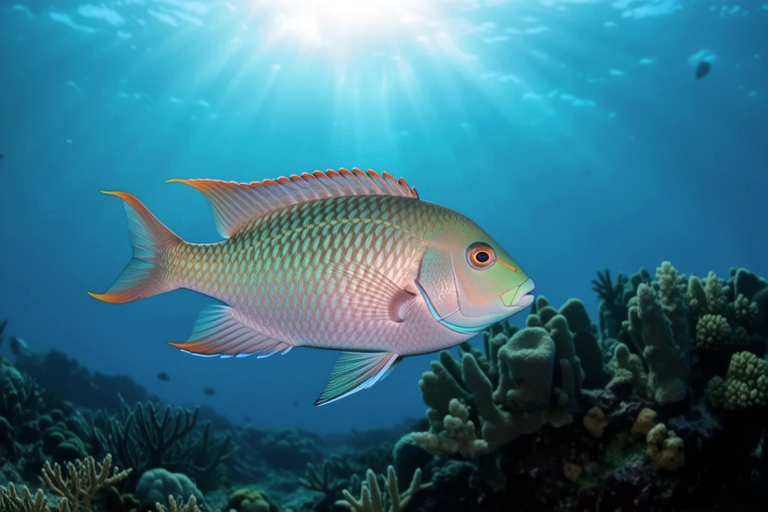
The ocean is a vast and mysterious world, home to a plethora of fascinating creatures. Among them, parrot fish stand out for their vibrant colors and unique appearance. These fish, belonging to the family Scaridae, are found in tropical and subtropical waters around the globe. With their striking hues and peculiar behaviors, parrot fish have captured the imagination of divers and marine enthusiasts alike. This article delves into the colorful world of parrot fish, exploring their habitats, behaviors, and the critical roles they play in maintaining healthy coral reef ecosystems.
Habitats and Role in Coral Reefs
Parrot fish primarily inhabit coral reefs, which serve as their primary habitat. Coral reefs are among the most biodiverse ecosystems on Earth, teeming with life. Parrot fish are integral to these environments, playing a crucial role in maintaining the balance of coral reef ecosystems. They are known for their ability to consume algae that can overgrow and smother corals, potentially leading to the death of the coral polyps. By grazing on algae, parrot fish help prevent the overgrowth and ensure the survival of the delicate coral structures.
Their contribution extends beyond just preventing algal overgrowth. Parrot fish also aid in the formation of sand through their feeding process. Using their beak-like jaws, they scrape algae from coral surfaces, inadvertently grinding the coral itself into fine particles. These particles are then expelled as sand, contributing to the formation of beaches and islands. This process, known as biogenic sediment production, highlights the significant impact parrot fish have on coastal environments.
Behavior and Feeding Habits
Parrot fish exhibit a variety of interesting behaviors, particularly in relation to their feeding habits. One of the most notable features of parrot fish is their strong, beak-like teeth that allow them to effectively graze on algae-covered rocks and coral. The beak is composed of several rows of teeth fused together, creating a powerful tool for scraping away algae. In addition to their beaks, parrot fish have specialized pharyngeal teeth located in the throat, which further grind the algae and coral before it is digested.
During feeding, parrot fish often create large areas of bare rock or coral, known as ‘feeding scars.’ These scars are evidence of the fish’s feeding activity and demonstrate their significant impact on the reef environment. Parrot fish are also known to change their diet based on their age and size. Juvenile parrot fish tend to feed on smaller organisms like plankton and algae, while adults focus more on larger algae and coral. This dietary shift underscores the adaptability of these fish and their evolving role within the reef ecosystem.
Reproductive Cycle and Unusual Traits
The reproductive cycle of parrot fish is both fascinating and complex. Many species of parrot fish are hermaphroditic, meaning they can change sex during their lifetime. Typically, smaller individuals start as females and transition to males as they grow larger. This phenomenon, known as sequential hermaphroditism, ensures genetic diversity and helps maintain population stability. During mating season, parrot fish engage in elaborate courtship rituals, often involving color changes and displays of their vibrant plumage.
One of the most remarkable aspects of parrot fish reproduction is their mass spawning events. These events occur when multiple individuals release their eggs and sperm simultaneously into the water column. This synchronized spawning increases the chances of successful fertilization and ensures the survival of offspring. Additionally, some species of parrot fish exhibit parental care, where the male guards the eggs until they hatch, protecting them from predators and ensuring their development.
Parrot fish also possess an unusual trait related to their skin. When threatened, certain species of parrot fish can secrete a mucus cocoon that envelops their entire body. This cocoon acts as a protective barrier, masking the fish’s scent and making it less visible to potential predators. The mucus is produced by special glands in the skin and is believed to provide additional protection by neutralizing the fish’s scent and reducing friction against the water.
Conservation Efforts and Threats
Despite their importance to marine ecosystems, parrot fish face numerous threats that endanger their survival. Overfishing is one of the most significant challenges, as parrot fish are highly valued for their flesh and are often targeted by commercial fisheries. Habitat destruction, particularly the degradation of coral reefs due to climate change and human activities, also poses a serious threat to parrot fish populations. Pollution, including plastic waste and chemical runoff, further impacts the health of coral reefs and the fish that depend on them.
To address these threats, various conservation efforts are underway. Marine protected areas (MPAs) have been established in many regions to safeguard coral reefs and the species that inhabit them, including parrot fish. These protected areas restrict fishing and other harmful activities, allowing ecosystems to recover and thrive. Additionally, educational campaigns aim to raise awareness about the importance of parrot fish and encourage sustainable fishing practices. Public support for conservation initiatives is crucial in ensuring the long-term survival of these colorful creatures.
Conclusion
The colorful world of parrot fish is a testament to the incredible diversity and complexity of marine life. From their vibrant colors and unique appearance to their vital role in coral reef ecosystems, parrot fish are truly remarkable creatures. Understanding their behaviors, reproductive cycles, and the challenges they face is essential for appreciating their significance and taking action to protect them. By supporting conservation efforts and promoting sustainable practices, we can help ensure the continued existence of these fascinating fish and the ecosystems they call home.
