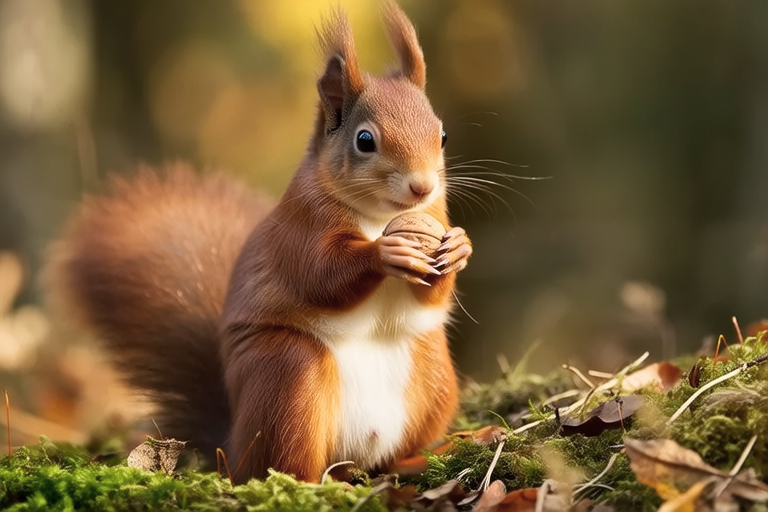
Top 10 Fascinating Facts About Squirrels That Will Amaze You
Welcome to a world where tiny, bushy-tailed creatures have more tricks up their sleeves than you might think. From their clever hiding spots to their surprising social skills, squirrels are full of surprises. Let’s dive into the top 10 fascinating facts about these delightful animals that will leave you amazed.
1. The Acrobatic Masters of the Sky
Squirrels are incredible acrobats of the animal kingdom. They can leap up to six times their body length from tree to tree. Imagine a human performing such a feat! Their powerful hind legs and strong tails provide the perfect balance and propulsion for these aerial stunts. This remarkable agility allows them to navigate through dense forests with ease, avoiding predators and reaching food sources efficiently.
2. Memory Power Beyond Belief
One of the most astonishing traits of squirrels is their exceptional memory. These little critters have an extraordinary ability to remember the location of thousands of buried nuts over vast areas. This skill is crucial for their survival, especially during winter when food becomes scarce. Scientists have discovered that squirrels use both spatial memory and scent to relocate their hidden treasures. Their memory capacity is so impressive that it rivals some of the smartest animals on Earth.
3. Urban Survivors
While squirrels thrive in natural habitats like forests and parks, they’ve also adapted remarkably well to urban environments. In cities, they’ve learned to navigate busy streets, dodge traffic, and even steal food from picnickers. Their resourcefulness in finding new sources of food and shelter has made them one of the most successful city-dwelling animals. This adaptability showcases the resilience of squirrels in the face of changing landscapes.
4. A Variety of Species
Believe it or not, there are over 200 species of squirrels worldwide. From the tiny African pygmy squirrel, which is just a few inches long, to the Indian giant squirrel, which can grow up to three feet in length, the diversity within this family is truly remarkable. Each species has its own unique characteristics, including size, coloration, and behavior, making them a fascinating subject for wildlife enthusiasts.
5. Social Butterflies
Contrary to popular belief, squirrels aren’t always solitary creatures. Some species, like the gray squirrel, form complex social hierarchies within their communities. They engage in playful chases, groom each other, and even share food. These interactions demonstrate a level of social complexity that many people wouldn’t expect from such small animals. Their social bonds play a crucial role in their survival and well-being.
6. Nature’s Gardeners
Squirrels play a vital role in forest regeneration by inadvertently planting trees. When they bury nuts and seeds, they often forget where they hid them, leaving these treasures to germinate and grow into new trees. This process, known as seed dispersal, is essential for maintaining healthy ecosystems. Without the help of these industrious gardeners, many forests would struggle to regenerate after disturbances.
7. Unique Communication System
Despite their small size, squirrels have developed an intricate system of communication. They use a variety of vocalizations, body postures, and tail movements to convey messages to one another. For instance, a flicking tail might signal danger, while a series of chirps could indicate excitement or warning. This sophisticated language helps them coordinate activities, avoid predators, and interact with other members of their community.
8. The Winter Sleepers
Many people assume that squirrels hibernate during the cold winter months, but this isn’t entirely accurate. Instead, they enter a state called torpor, where their metabolism slows down, and they conserve energy. Unlike true hibernation, squirrels can wake up periodically to eat stored food and move around. This semi-sleeping period allows them to survive harsh winters without needing to migrate or drastically change their habits.
9. The Secret Lives of Squirrels
When it comes to reproduction, squirrels have some surprising habits. Female squirrels typically give birth to two to eight babies per litter, depending on the species. Baby squirrels, known as kits, are born blind and hairless, completely dependent on their mothers for warmth and nourishment. After several weeks of care, the kits develop their senses and begin to explore their surroundings under the watchful eye of their mother.
10. The Battle for Survival
In the wild, squirrels face numerous challenges, including competition for resources and predation. To survive, they’ve developed various strategies. One such strategy is caching food, which involves storing nuts and seeds in multiple locations to ensure a steady supply throughout the year. Additionally, squirrels are adept at evading predators by using their speed, agility, and keen sense of hearing. Their ability to outsmart threats is a testament to their intelligence and adaptability.
As we conclude our journey through the amazing world of squirrels, it’s clear that these small mammals are far more complex and interesting than they appear. From their acrobatic prowess to their intricate social structures, squirrels continue to captivate and inspire us. Whether you’re an avid nature lover or simply curious about the creatures around you, there’s no denying the fascination that squirrels bring to our lives. So next time you see a squirrel scurrying across your path, take a moment to appreciate the wonders of nature and the incredible creatures that inhabit our world.
