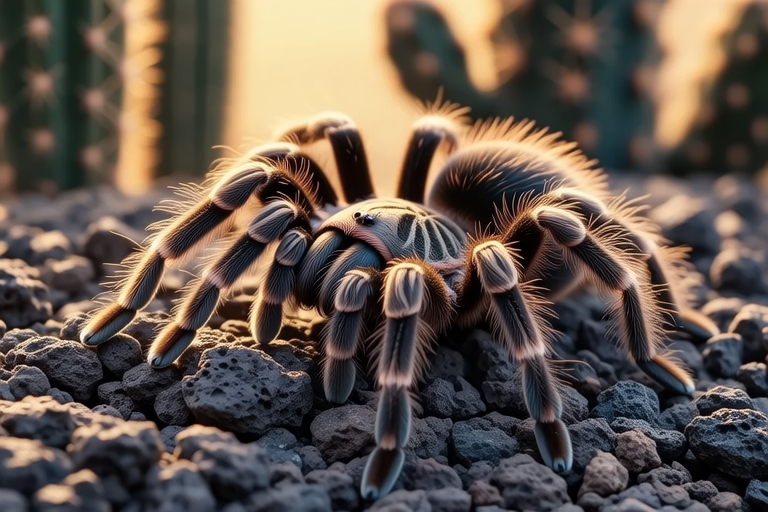
Chilean Rose Tarantulas: Myths vs. Realities
The Chilean Rose tarantula (Grammostola rosea) is one of the most popular pet tarantulas worldwide. Often sought after for their striking pinkish hue and relatively docile demeanor, these arachnids have garnered both admiration and misconceptions. This article delves into the truth behind some of the most prevalent myths surrounding Chilean Rose tarantulas, exploring their natural habitat, behavior, dietary habits, and interactions with humans. By separating fact from fiction, we aim to provide a comprehensive understanding of this fascinating species.
Natural Habitat
One of the most common myths about Chilean Rose tarantulas is that they are native to the deserts of Chile. In reality, while the name might suggest otherwise, these spiders are actually found in various habitats across South America, including parts of Brazil, Argentina, and Uruguay. They prefer burrowing in dry, sandy areas but can also be found in more humid environments. Their adaptability allows them to thrive in diverse conditions, making them less dependent on specific environmental factors than many other tarantula species.
Behavior and Aggression
A popular myth regarding Chilean Rose tarantulas is their aggressive nature. Many believe that these spiders are highly aggressive and prone to attacking humans. However, studies have shown that Chilean Rose tarantulas are generally calm and docile creatures. They rarely bite unless provoked or threatened. Their primary defense mechanism involves fleeing or playing dead. In captivity, they are known to be relatively easy to handle, making them an ideal choice for beginners interested in keeping exotic pets.
Another misconception is that these spiders are solitary and antisocial. While it is true that they are primarily solitary animals, they can coexist peacefully if provided with adequate space. In the wild, Chilean Rose tarantulas may encounter others during mating season, but they generally avoid each other at other times. Properly sized enclosures and separation during feeding times can help prevent conflicts in captivity.
Dietary Habits
Contrary to popular belief, Chilean Rose tarantulas do not require a diet solely composed of live insects. Although crickets are commonly fed to these spiders, a varied diet can contribute to their overall health. In the wild, they prey on a wide range of small invertebrates, including beetles, caterpillars, and even small vertebrates like lizards. In captivity, owners should offer a mix of feeder insects such as dubia roaches, mealworms, and superworms to ensure nutritional balance. Providing a diverse diet helps mimic their natural feeding behaviors and supports optimal growth and development.
Venom Potency
Many people assume that Chilean Rose tarantulas possess extremely potent venom capable of causing severe harm to humans. While their venom is indeed toxic, it is considered mild compared to that of many other tarantula species. The effects of a bite typically include localized pain, swelling, and redness, similar to a bee sting. There have been no reported cases of fatalities resulting from Chilean Rose tarantula bites. The venom’s primary purpose is to immobilize and digest prey rather than defend against predators. Therefore, while caution should always be exercised when handling any animal, the risk associated with Chilean Rose tarantulas is minimal.
Care Requirements
One of the most widespread myths about caring for Chilean Rose tarantulas is that they require minimal maintenance. While it is true that these spiders are relatively low-maintenance pets, proper care is essential for their well-being. A suitable enclosure should provide ample space for burrowing and climbing, along with appropriate substrate for digging. Maintaining the correct temperature and humidity levels is crucial; too much moisture can lead to respiratory issues, while excessive dryness can cause dehydration. Regular cleaning and monitoring of the enclosure’s environment ensure a healthy living space.
Role in Ecosystems
Chilean Rose tarantulas play an important role in their ecosystems by controlling populations of smaller invertebrates. As opportunistic hunters, they help maintain ecological balance by preying on pests that could otherwise become problematic. Their burrowing behavior also aids in soil aeration and nutrient cycling. Despite their beneficial contributions, habitat destruction and overcollection for the pet trade pose significant threats to wild populations. Conservation efforts aimed at protecting their natural habitats are vital for ensuring the survival of this species.
Unique Adaptations
One of the most remarkable adaptations of Chilean Rose tarantulas is their ability to change color. Juveniles start off brown and gradually develop their characteristic pinkish hue as they mature. This color change serves multiple purposes, including camouflage and communication. Another interesting adaptation is their urticating hairs, which they release when threatened. These tiny barbed hairs irritate the skin and eyes of potential predators, providing an effective defense mechanism.
Conclusion
In conclusion, Chilean Rose tarantulas are fascinating creatures with numerous misconceptions surrounding them. By dispelling myths about their aggression, venom potency, and care requirements, we hope to provide a clearer picture of these amazing arachnids. Understanding their natural habitat, behavior, dietary habits, and interactions with humans enriches our appreciation for these creatures and highlights the importance of responsible pet ownership. Whether you’re considering adding a Chilean Rose tarantula to your collection or simply curious about these captivating spiders, knowledge is key to fostering respect and admiration for one of nature’s most intriguing inhabitants.
