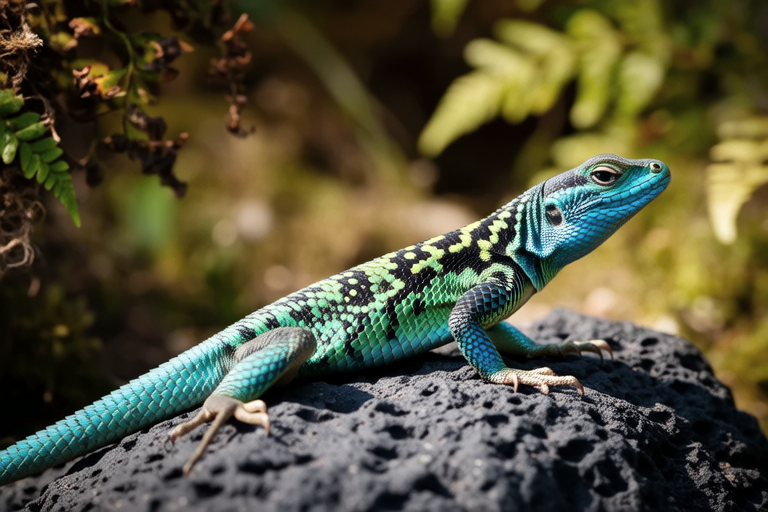
Splendid Japalure: A Beginner’s Guide to Owning this Exotic Pet
Welcome to the fascinating world of the Japalure! If you’re considering adding one of these magnificent creatures to your family, you’ve come to the right place. This comprehensive guide will walk you through everything you need to know about owning a Japalure, from understanding its origins and unique characteristics to setting up the perfect habitat, providing the right diet, and ensuring its health and happiness. By the end of this article, you’ll be well-equipped to provide your new pet with a loving home.
Introduction to the Japalure Species
The Japalure is a stunning exotic bird native to the lush forests of Southeast Asia. With its vibrant plumage and melodic calls, it has captured the hearts of many animal enthusiasts around the world. These birds are known for their intelligence, curiosity, and strong bonds with their human companions. Their name, derived from a combination of ‘Japa’ (for Japan) and ‘Lure’ (a reference to their captivating calls), reflects both their geographical origins and their ability to lure attention wherever they go.
Japalures are highly social animals that thrive in environments rich with interaction and mental stimulation. They are often found in pairs or small groups in the wild, indicating their preference for companionship. In captivity, they can form strong bonds with their owners, making them excellent pets for those who are willing to invest time and effort into their care.
Origin and Unique Characteristics
The Japalure originates from the dense, humid jungles of Indonesia and Malaysia. These regions offer a diverse ecosystem that supports a wide variety of wildlife, including the Japalure. The bird’s natural habitat includes tall trees, dense undergrowth, and fast-flowing rivers. This environment has shaped the Japalure’s unique physical attributes and behaviors.
One of the most striking features of the Japalure is its colorful plumage. Depending on the subspecies, their feathers can range from deep blues and greens to bright yellows and reds. This vibrant coloration serves multiple purposes in the wild, such as attracting mates and signaling dominance within their flock. Another distinctive characteristic is their long, curved beak, which is perfectly adapted for cracking open nuts and seeds.
Japalures are also known for their remarkable vocal abilities. They have a wide repertoire of calls that they use for communication, ranging from soft chirps to loud, resonant songs. In captivity, they can learn to mimic sounds and even simple phrases, making them a joy to listen to.
Ideal Habitat Setup
Creating the right habitat is crucial for the well-being of your Japalure. The enclosure should mimic their natural environment as closely as possible while ensuring safety and comfort. Here are some essential elements to consider:
- Size: Japalures require ample space to fly and explore. A cage at least 3 meters long, 2 meters wide, and 2 meters high is recommended. This allows them enough room to stretch their wings and move around freely.
- Perches: Provide a variety of perches made from different materials, such as wood and rope, to encourage foot exercise and prevent boredom.
- Toys: Japalures are intelligent birds that need mental stimulation. Offer toys that challenge their problem-solving skills, such as puzzles and foraging devices.
- Nesting Box: A secure nesting box provides a safe place for your bird to rest and feel protected. It should be large enough for the bird to comfortably turn around inside.
- Lighting: Proper lighting is vital for maintaining the bird’s circadian rhythm. Full-spectrum lighting that mimics natural sunlight is recommended.
- Temperature and Humidity: Maintain a temperature between 70-80°F (21-27°C) and humidity levels between 40-60%. Regular misting can help maintain the necessary humidity.
Dietary Needs
A balanced diet is key to keeping your Japalure healthy and happy. Their diet should consist of a mix of fresh fruits, vegetables, seeds, and pellets designed specifically for exotic birds. Here are some dietary guidelines:
- Fruits and Vegetables: Offer a variety of fruits and vegetables daily, such as apples, bananas, carrots, and leafy greens. These provide essential vitamins and minerals.
- Seeds and Pellets: High-quality bird pellets should make up the majority of their diet. They provide a balanced mix of nutrients that are essential for their overall health.
- Water: Fresh water should always be available. Change it daily to ensure cleanliness and prevent bacterial growth.
- Treats: Occasional treats, such as nuts and insects, can be given in moderation. However, avoid feeding too many sugary or fatty foods.
It’s important to monitor your Japalure’s weight and adjust their diet accordingly. Overfeeding can lead to obesity, while malnutrition can cause various health issues. Consult with a veterinarian specializing in exotic birds for personalized dietary recommendations.
Common Health Issues
Like all pets, Japalures can be susceptible to certain health problems. Early detection and proper care can prevent many of these issues. Some common health concerns include:
- Bacterial and Fungal Infections: These can occur if the living environment is not kept clean. Regular cleaning of the enclosure and proper hygiene practices are essential.
- Feather Picking: This behavior can indicate stress, boredom, or nutritional deficiencies. Providing enrichment activities and addressing any underlying issues can help reduce feather picking.
- Respiratory Problems: Poor air quality or exposure to toxins can lead to respiratory issues. Ensure good ventilation and avoid exposing your bird to harmful chemicals.
- Obesity: Overfeeding and lack of exercise can result in obesity. Maintaining a balanced diet and providing opportunities for physical activity are key to preventing this condition.
If you notice any signs of illness, such as lethargy, loss of appetite, or abnormal behavior, consult a veterinarian immediately. Early intervention can significantly improve the chances of recovery.
Tips on Handling, Training, and Socializing
Handling, training, and socializing your Japalure properly are essential for building a strong bond and ensuring its well-being. Here are some tips:
- Handling: Always approach your Japalure calmly and gently. Allow it to get used to your presence before attempting to handle it. Use a towel to gently cover the bird if needed, but avoid restraining it too tightly.
- Training: Positive reinforcement techniques, such as offering treats and praise, work best for training. Start with basic commands like ‘step up’ and gradually introduce more complex tricks. Consistency and patience are key.
- Socializing: Encourage interaction with other household members to help your Japalure become comfortable with different people. This will also reduce any potential jealousy or possessiveness towards its primary caregiver.
- Mental Stimulation: Provide plenty of opportunities for mental stimulation through toys, puzzles, and interactive play. This helps prevent boredom and keeps your bird mentally sharp.
Where to Adopt or Purchase a Japalure Responsibly
When adopting or purchasing a Japalure, it’s important to do so from reputable sources that prioritize the welfare of the animals. Here are some suggestions:
- Reputable Breeders: Look for breeders who are knowledgeable about the species and provide detailed information about the bird’s history and care requirements. They should be willing to answer any questions you may have and offer ongoing support.
- Rescue Organizations: Many rescue organizations specialize in exotic pets and can provide you with a loving, previously owned Japalure. Adopting from a rescue organization is a rewarding way to give a second chance to a deserving bird.
- Local Pet Stores: While not all pet stores are created equal, some may carry Japalures from reputable breeders. Research the store’s policies and ask about the bird’s background before making a decision.
- Veterinary Recommendations: Your veterinarian may be able to recommend reliable sources for obtaining a Japalure. They can also provide valuable advice on how to care for your new pet.
Regardless of where you choose to obtain your Japalure, always ensure that the seller prioritizes the bird’s health and well-being. Avoid purchasing from sources that prioritize profit over animal welfare.
Conclusion
Owning a Japalure is a rewarding experience that requires dedication and commitment. By understanding their unique needs and providing a nurturing environment, you can ensure that your new pet thrives and brings joy to your life. Remember, the key to successful ownership lies in education, preparation, and love. With the right care and attention, your Japalure will be a cherished member of your family for years to come.
