The Unique World of Hotot Rabbits: A Comprehensive Guide
Hotot rabbits are among the most unique domesticated species in the world. Their distinct appearance and gentle demeanor make them a favorite among rabbit enthusiasts. This article delves into the fascinating world of Hotot rabbits, covering everything from their physical characteristics to their dietary needs and common health issues. We’ll also explore how to handle and train these delicate creatures, providing you with the knowledge needed to care for them properly.
Physical Characteristics of Hotot Rabbits
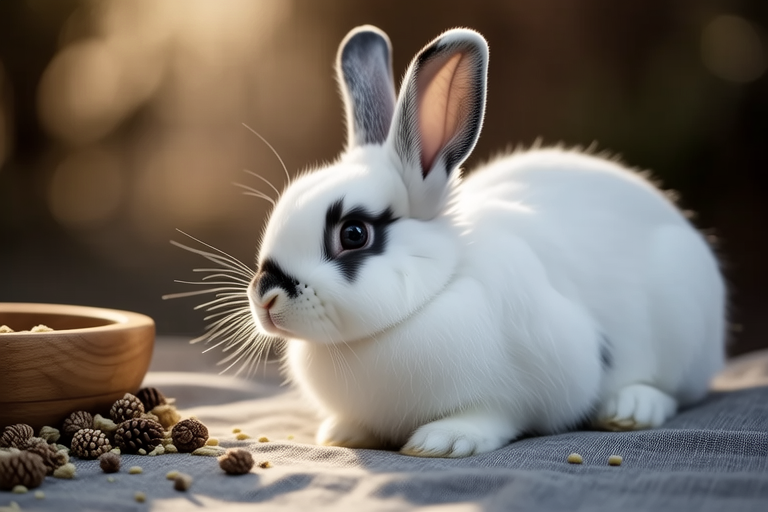
One of the first things that strike anyone who sees a Hotot rabbit is its striking appearance. These rabbits have all-white fur with black-rimmed eyes, giving them a charming, almost doll-like look. The contrast between their pure white coat and dark eyes is what makes them stand out. The Hotot’s eyes are framed by a ring of black fur, which can vary slightly in width but is typically around 3mm wide. This unique marking is the result of a genetic mutation that affects pigmentation in the eye area.
Hotot rabbits come in two recognized sizes: standard and dwarf. Standard Hotots usually weigh between 4 and 6 pounds, while dwarf Hotots are smaller, weighing between 2.5 and 3.5 pounds. Despite their size, they are quite robust and can live up to ten years with proper care. Their ears are medium-sized and stand upright, adding to their alert and intelligent appearance.
Suitable Living Conditions for Hotot Rabbits
Creating a suitable environment for your Hotot rabbit is crucial for their well-being. They thrive in spacious, clean, and safe habitats. An indoor hutch or cage is recommended to protect them from predators and extreme weather conditions. The living space should be large enough for the rabbit to move freely, stretch out, and engage in natural behaviors like digging and hopping. Providing a solid surface floor instead of wire flooring can prevent injuries and promote better foot health.
Temperature control is essential, as Hotot rabbits are sensitive to heat. Ensure that the living area is well-ventilated and cool during warmer months. In colder temperatures, provide extra bedding to keep them warm. Regular cleaning of the habitat is necessary to maintain hygiene and prevent illnesses. Additionally, offering hiding spots and toys can enrich their environment, stimulating mental and physical activity.
Dietary Needs of Hotot Rabbits
A balanced diet is key to keeping your Hotot rabbit healthy and happy. Their diet should primarily consist of high-quality hay, which aids digestion and keeps teeth worn down. Fresh water should always be available. Pellets formulated specifically for rabbits can supplement their diet, providing essential nutrients. However, it’s important to monitor the amount of pellets given, as overfeeding can lead to obesity.
Fruits and vegetables can be offered in moderation as treats. Good choices include leafy greens like romaine lettuce, spinach, and parsley. Avoid feeding them foods that are harmful to rabbits, such as chocolate, avocado, or rhubarb. Introducing new foods gradually helps prevent digestive upset. Always consult with a veterinarian if you’re unsure about the safety of certain foods.
Common Health Issues in Hotot Rabbits
Like any other pet, Hotot rabbits are susceptible to certain health issues. One of the most common problems is dental disease, which can occur if their diet lacks sufficient fiber. Signs of dental issues include difficulty eating, drooling, and weight loss. Regular veterinary check-ups can help catch these issues early and prevent more serious complications.
Gastrointestinal stasis, where the digestive system slows down or stops, is another concern. This can be caused by stress, poor diet, or dehydration. Symptoms include decreased appetite, lethargy, and small, hard fecal pellets. Ensuring a consistent diet, plenty of fresh water, and regular exercise can help prevent this condition.
Beyond these issues, Hotot rabbits may suffer from respiratory infections, especially if kept in damp or poorly ventilated environments. Keeping their living area clean and dry can reduce the risk of these infections. Vaccinations and parasite control, as recommended by a veterinarian, are also important for maintaining their health.
Tips on Handling and Training Hotot Rabbits
Handling Hotot rabbits requires patience and gentleness. They are delicate creatures and can be easily injured if handled roughly. Always support their hindquarters when lifting them to prevent back injuries. Use a calm, soothing voice to reassure them and build trust.
Training Hotot rabbits can be a rewarding experience. Positive reinforcement techniques, such as offering treats and praise, work well. Teaching basic commands like coming when called or sitting can enhance the bond between you and your rabbit. Consistency is key in training, so practice regularly and keep sessions short and fun.
Hotot rabbits enjoy social interaction and can become attached to their owners. Spending quality time with them, playing with toys, and allowing them supervised outdoor time can stimulate their minds and bodies. Encouraging gentle play and interaction helps build a strong relationship based on trust and affection.
Caring for a Hotot Rabbit: A Rewarding Experience
Owning a Hotot rabbit can be a deeply fulfilling experience for dedicated owners. Their unique appearance and gentle nature make them delightful companions. By providing them with a loving home, a balanced diet, and regular veterinary care, you can ensure they live long, healthy lives.
Hotot rabbits are known for their intelligence and responsiveness, making them ideal pets for those willing to invest time and effort into their care. Their presence can bring joy and comfort to their owners, creating a special bond that lasts for many years. With proper attention and care, Hotot rabbits can thrive and bring endless happiness to their homes.
