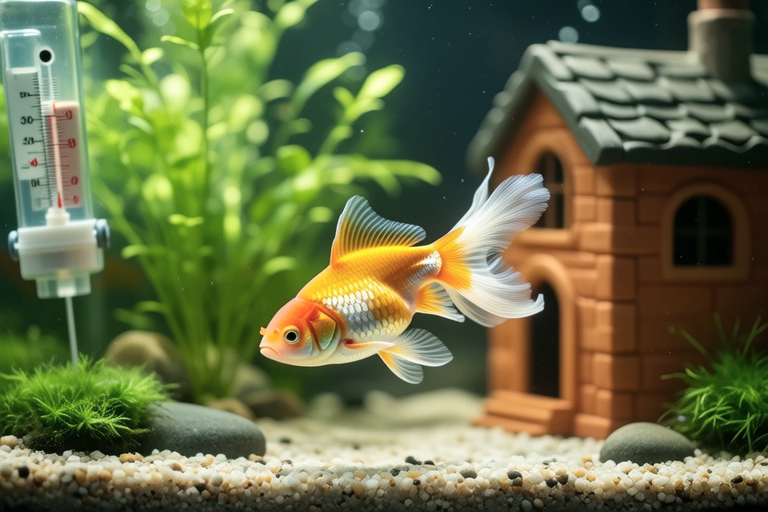
How to Create the Perfect Habitat for Your Goldfish Pal
Welcome to the wonderful world of goldfish keeping! Goldfish are among the most popular pets due to their vibrant colors and relatively easy care. However, to keep your goldfish healthy and happy, it’s crucial to set up an ideal habitat that mimics their natural environment. This guide will walk you through creating the perfect habitat for your goldfish pal, covering everything from tank size and water quality to filtration systems and decorations.
Choosing the Right Tank Size
The first step in setting up your goldfish’s home is choosing the right tank size. Many people mistakenly believe that goldfish can thrive in small bowls or tanks, but this is far from true. Goldfish are active swimmers and produce a significant amount of waste, so they need ample space to swim and enough water volume to dilute their waste effectively.
For a single goldfish, a tank of at least 20 gallons is recommended. If you plan to have more than one goldfish, increase the tank size by 10 gallons per additional fish. For example, two goldfish would require a 30-gallon tank. Larger tanks also provide better oxygenation and temperature stability, which are vital for goldfish health.
Water Quality Maintenance
Temperature
Goldfish are coldwater fish, and they thrive in temperatures between 68°F and 74°F (20°C to 23°C). Maintaining a consistent temperature within this range is essential for their well-being. Avoid drastic temperature changes, as these can stress your goldfish and weaken their immune system, making them more susceptible to diseases.
pH Levels
A stable pH level is another critical factor in maintaining water quality. Goldfish prefer slightly alkaline water with a pH between 7.0 and 8.0. Regularly testing the water and adjusting the pH if necessary ensures a healthy living environment for your fish. Use pH test kits available at pet stores to monitor your tank’s pH levels.
Filtration Systems
A good filtration system is essential for keeping your goldfish’s tank clean and healthy. Filtration helps remove waste, excess food, and other harmful substances from the water, preventing the buildup of toxins like ammonia and nitrite.
There are three main types of filtration: mechanical, biological, and chemical. Mechanical filtration removes physical debris from the water, while biological filtration uses beneficial bacteria to break down harmful chemicals. Chemical filtration typically involves carbon filters that absorb odors and discolorations.
Select a filter that is appropriate for your tank size and provides adequate flow rates. A general rule of thumb is to choose a filter rated for a tank twice the size of yours. For instance, if you have a 20-gallon tank, opt for a filter designed for a 40-gallon tank.
Lighting
While goldfish don’t require specific lighting cycles, proper lighting enhances the appearance of your tank and aids in the growth of any live plants you may have. Choose a full-spectrum LED light that provides both daylight and plant-growing capabilities. Aim for 8-12 hours of light daily, simulating a natural day-night cycle.
Necessary Decorations
Suitable Plants
Adding live plants to your goldfish tank offers numerous benefits. Plants help oxygenate the water, provide hiding spots, and add aesthetic value. Some excellent plant options for goldfish tanks include:
- Anubias: Known for its hardiness and ability to thrive in low-light conditions.
- Bloodwort (Trident Wort): An attractive plant that tolerates cold water and provides shelter for smaller fish.
- Java Fern: A robust plant that can withstand fluctuating water conditions.
Ensure the plants you choose are compatible with goldfish and won’t be uprooted easily. Additionally, some plants may require substrate or hardscape anchors to secure them properly.
Hiding Spots
Providing hiding spots in your tank is crucial for reducing stress and promoting natural behaviors. Goldfish enjoy exploring and retreating when needed. You can create hiding spots using:
- PVC pipes cut into sections.
- Ceramic pots or caves.
- Plastic castles or tunnels designed for aquariums.
These structures offer places for your goldfish to hide and feel secure, especially during feeding times or when feeling threatened.
Ensuring a Balanced Ecosystem
To maintain a balanced ecosystem, it’s essential to introduce beneficial bacteria into your tank. These bacteria help break down waste products, converting ammonia into less toxic compounds. You can introduce these bacteria by cycling your tank before adding goldfish or purchasing bacterial supplements from pet stores.
Additionally, avoid overstocking your tank with too many fish or decorations, as this can lead to poor water circulation and reduced oxygen levels. Maintain a balance between the number of fish, plants, and decorations to ensure a thriving ecosystem.
Feeding Your Goldfish
Proper nutrition is vital for your goldfish’s health. Goldfish are omnivores and require a varied diet that includes both plant-based and protein-rich foods. High-quality commercial goldfish flakes or pellets are excellent staple foods. Supplement their diet with occasional treats like blanched vegetables (e.g., peas, spinach), freeze-dried or frozen bloodworms, and brine shrimp.
Feed your goldfish small amounts of food two to three times daily, ensuring they consume all the food within a few minutes. Overfeeding can lead to uneaten food sinking to the bottom of the tank, causing water pollution and increased waste production.
Regular Cleaning Routines
Maintaining a clean tank is crucial for your goldfish’s health. Establish a routine for partial water changes and cleaning to prevent the accumulation of toxins and debris. Here are some tips:
- Perform weekly water changes of about 25% of the tank volume. Use a gravel vacuum to siphon out waste from the substrate simultaneously.
- Inspect and clean the filter media regularly to ensure optimal performance. Replace the filter media every 1-2 months, depending on the manufacturer’s recommendations.
- Wipe down the tank walls and glass decorations monthly to remove algae growth. Use a magnetic cleaner for easier maintenance.
Consistency in your cleaning routine helps maintain a stable and healthy environment for your goldfish.
Troubleshooting Common Issues
Even with the best care, issues may arise in your goldfish tank. Here are some common problems and solutions:
Cloudy Water
Cloudy water usually indicates a bacterial bloom caused by excess nutrients in the water. Perform frequent water changes and ensure proper filtration until the water clears.
Swim Bladder Disorder
Swim bladder disorder can cause your goldfish to float upside down or struggle to swim. It often results from overfeeding or constipation. Offer your goldfish peas (blanched) or fasting for a day to help alleviate the condition.
Conclusion
Creating the perfect habitat for your goldfish requires attention to detail and commitment to maintaining a healthy environment. By providing the appropriate tank size, maintaining water quality, installing a reliable filtration system, and decorating the tank thoughtfully, you’ll give your goldfish a thriving home. Regular feeding and cleaning routines further ensure their well-being. With these guidelines, you’re well on your way to becoming a successful goldfish owner and watching your pet thrive in its new aquatic paradise.
