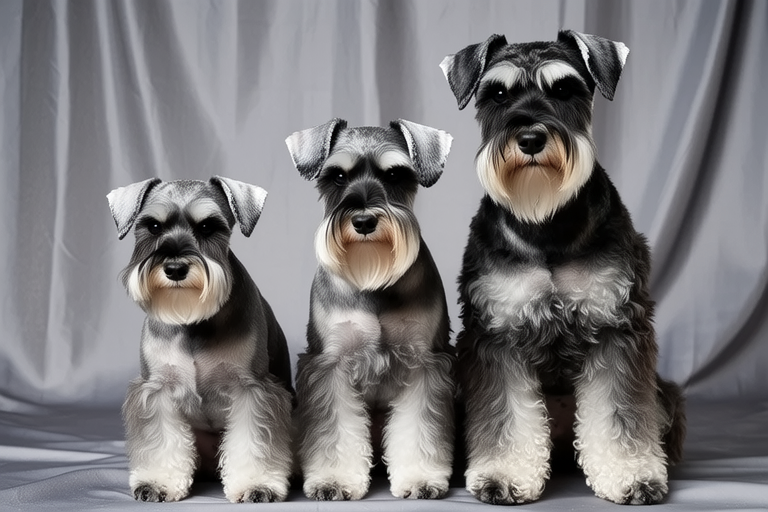
From Puppies to Seniors: A Guide to Schnauzer Grooming Essentials
Welcome to your comprehensive guide on caring for your schnauzer’s grooming needs from puppyhood through their senior years. Proper grooming is crucial for maintaining the health and hygiene of your schnauzer, and it also plays a significant role in bonding with your pet. This article will cover essential grooming tips for schnauzers at different life stages, including puppy coat care, regular grooming routines, common grooming challenges, senior schnauzer considerations, and recommended grooming tools.
Puppy Coat Care
When it comes to puppies, their coats are delicate and require gentle handling. Schnauzers have a double coat that consists of a soft undercoat and a wiry topcoat. The wiry texture makes them unique but also requires specific grooming techniques. For puppies, you can start with basic grooming practices such as combing their coat to remove loose hair and mats. It’s important to introduce your puppy to grooming early on so they become accustomed to it. Use a slicker brush or a soft bristle brush to gently brush their coat every few days. This helps prevent matting and keeps their coat healthy.
Regular Grooming Routines
Maintaining a regular grooming routine is vital for keeping your schnauzer looking and feeling great. Here are some key aspects of a typical grooming session:
- Bathing: Bathing your schnauzer too frequently can strip their coat of natural oils, leading to dryness and irritation. Aim for a bath every 4 to 6 weeks, depending on their activity level and environment. Use a mild, pH-balanced shampoo designed for dogs.
- Nail Trimming: Regular nail trimming is necessary to prevent overgrowth and discomfort. You can trim their nails yourself if you’re comfortable doing so, or take them to a professional groomer. Keep an eye on the quick (the blood vessel inside the nail) to avoid cutting it, which can cause bleeding and pain.
- Ear Cleaning: Schnauzers are prone to ear infections due to their floppy ears. Clean their ears weekly with a vet-approved ear cleaner and cotton balls. Be sure to gently wipe the outer ear canal without inserting anything into the ear canal.
- Teeth Brushing: Dental hygiene is often overlooked but is crucial for your schnauzer’s overall health. Brush their teeth daily with a dog-specific toothpaste and toothbrush. Alternatively, dental chews and toys can help maintain oral health.
Common Grooming Challenges
Despite your best efforts, you may encounter some challenges when grooming your schnauzer. These include:
- Mats: Mats can form in areas where the coat is dense, particularly around the armpits, behind the ears, and on the back. Regular brushing and combing can prevent this, but if mats do form, it’s best to have them professionally removed to avoid skin irritation.
- Hot Spots: Hot spots are moist, red patches of skin that can develop due to allergies, fleas, or excessive licking. They can be uncomfortable for your schnauzer and require immediate attention. Consult your veterinarian for treatment options.
- Allergies: Schnauzers can develop allergies to food, environmental factors, or grooming products. Monitor your schnauzer for signs of itching, scratching, or redness and consult your vet for appropriate treatments.
Senior Schnauzer Considerations
As schnauzers age, their grooming needs may change. Senior schnauzers tend to have thinner coats and may experience joint pain, making grooming more challenging. Here are some considerations for senior schnauzers:
- Reduced Mobility: Older schnauzers may find it difficult to stand still for long periods during grooming sessions. Take breaks and use treats to encourage cooperation.
- Skin Sensitivity: With age, schnauzers’ skin becomes more sensitive. Use gentle, hypoallergenic grooming products and be extra cautious when handling their coat.
- Veterinary Check-Ups: Regular veterinary check-ups are essential for monitoring your schnauzer’s overall health, including their skin and coat condition.
Recommended Grooming Tools
The right tools make grooming easier and more effective. Here are some essential grooming tools for schnauzers:
- Slicker Brush: Ideal for removing loose hair and preventing matting. It has fine, short wires that work well on wiry coats.
- Rake: Useful for removing dead undercoat fur without damaging the topcoat. It’s especially beneficial for older schnauzers with thinning coats.
- Knife: For shaping and trimming the schnauzer’s beard, eyebrows, and feet. Professional groomers often use electric clippers for precise cuts.
- Eyebrow and Moustache Clippers: Essential for maintaining the schnauzer’s distinctive facial features. Use small, sharp scissors for neat and tidy results.
- Dog Shampoo: Choose a high-quality, pH-balanced dog shampoo that suits your schnauzer’s coat type and skin sensitivity.
In conclusion, proper grooming is essential for the health and hygiene of your schnauzer. From puppyhood through their senior years, consistent grooming practices help keep their coat and skin in top condition. By following the tips outlined in this guide, you’ll ensure your schnauzer looks and feels their best, while also strengthening your bond with them. Remember, grooming isn’t just about appearance; it’s about ensuring your schnauzer’s overall well-being.
