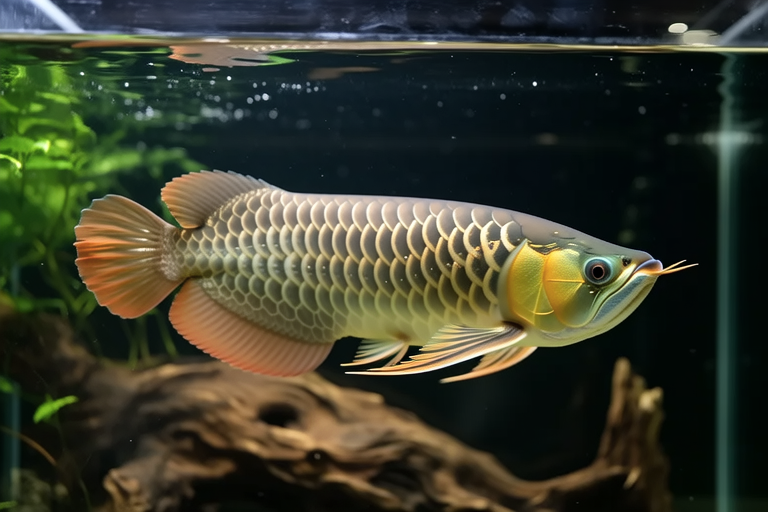
Tank Tales: Caring for Your Exquisite Arowana Pet
When it comes to exotic aquarium fish, the Arowana stands out as one of the most captivating and majestic creatures. Known for its sleek appearance, vibrant colors, and fascinating behaviors, this species requires specific care and attention to thrive. This article will guide you through the intricacies of caring for your Arowana, ensuring that you create an optimal environment for these extraordinary pets.
Selecting an Appropriate Tank Size and Setup
The first step in caring for an Arowana is choosing the right tank. Arowanas are large, active fish that need ample space to swim and explore. For a single adult Arowana, a tank of at least 240 gallons (907 liters) is recommended. The tank should be long rather than tall, allowing the fish to swim horizontally. Larger tanks are necessary if you plan to keep multiple Arowanas or other compatible species.
In terms of setup, the tank should mimic the natural habitat of the Arowana. Use a sandy substrate to replicate the riverbeds where they typically reside. Add plenty of hiding spots such as driftwood and rocks, which help reduce stress and provide places for the fish to rest. Floating plants can also be beneficial, as they offer shade and a more natural environment. Avoid overcrowding the tank with decorations; leave enough open space for swimming.
Ideal Water Parameters Including Temperature and pH Levels
Maintaining the correct water parameters is crucial for the health of your Arowana. The ideal temperature range for Arowanas is between 78°F and 84°F (25°C to 29°C). Consistent temperature control is vital, so invest in a reliable heater and thermometer. Regularly monitor the temperature to ensure it stays within the recommended range.
The pH level should be kept stable between 6.5 and 7.5. Soft, slightly acidic water conditions are best suited for Arowanas. Test kits are available at pet stores to check pH levels regularly. Additionally, maintain low ammonia and nitrite levels, aiming for zero parts per million (ppm), and keep nitrate levels below 20 ppm. Regular water changes, about 20% weekly, help in achieving and maintaining these parameters.
Diet and Feeding Habits
Arowanas are carnivorous fish with a varied diet. In the wild, they eat insects, small fish, crustaceans, and even birds that come close to the water’s surface. In captivity, you can feed them a diet consisting of high-quality pellets, live or frozen foods like bloodworms, brine shrimp, and krill. Occasionally, offering small feeder fish such as guppies or mollies can stimulate their hunting instincts.
Feed your Arowana two to three times daily, providing only what they can consume within a few minutes. Overfeeding can lead to poor water quality and health issues. It’s essential to observe their eating habits closely and adjust the quantity accordingly. Additionally, some owners enrich their Arowana’s diet by occasionally introducing vitamin supplements, ensuring they receive all necessary nutrients.
Common Health Issues and Preventive Care
Despite their hardiness, Arowanas can suffer from various health problems if not cared for properly. Common issues include bacterial infections, fungal growths, and parasitic infestations. Signs of illness may include loss of appetite, lethargy, discolored patches on the body, and abnormal swimming patterns.
To prevent these issues, maintain excellent water quality through regular filtration and water changes. Quarantine any new additions to the tank to avoid introducing diseases. Regularly inspect your Arowana for signs of distress or injury. If you notice any concerning symptoms, consult a veterinarian specializing in aquatic animals for diagnosis and treatment.
Tips for Maintaining a Healthy Environment
Maintaining a healthy environment involves more than just water quality management. Proper lighting is essential, especially for floating plants and algae control. Provide a light cycle of approximately 10-12 hours per day, simulating natural daylight cycles.
Ensure that the tank has adequate filtration to handle the bioload of an Arowana. Filters that promote gentle water flow and efficient biological filtration are ideal. Regular maintenance of filters and other equipment helps prevent mechanical failures and keeps the system running smoothly.
Unique Characteristics of Arowana and Their Behavior
Arowanas possess several unique traits that make them fascinating pets. One of the most notable features is their ability to leap out of the water to catch prey, a behavior known as ‘surface feeding.’ They can leap up to two feet above the water’s surface, making them adept hunters.
These fish are also highly intelligent and interactive. Many owners report that their Arowanas recognize them and respond to feeding times. Some even train their Arowanas to take food directly from their hands, creating a strong bond between owner and pet. However, due to their powerful jaws and sharp teeth, handling should be done with caution.
Arowanas are generally peaceful but territorial. While they can coexist with other large, non-aggressive species, it’s important to introduce them carefully to avoid conflicts. Always research compatibility before adding new inhabitants to the tank.
Conclusion
Caring for an Arowana is a rewarding yet challenging endeavor that requires dedication and knowledge. By providing an appropriately sized tank, maintaining ideal water conditions, offering a balanced diet, and being vigilant about health issues, you can ensure your Arowana thrives in its new home. Understanding their unique behaviors and interactions within the tank will deepen your appreciation for these magnificent creatures. With proper care, your Arowana will become a cherished member of your aquatic family.
