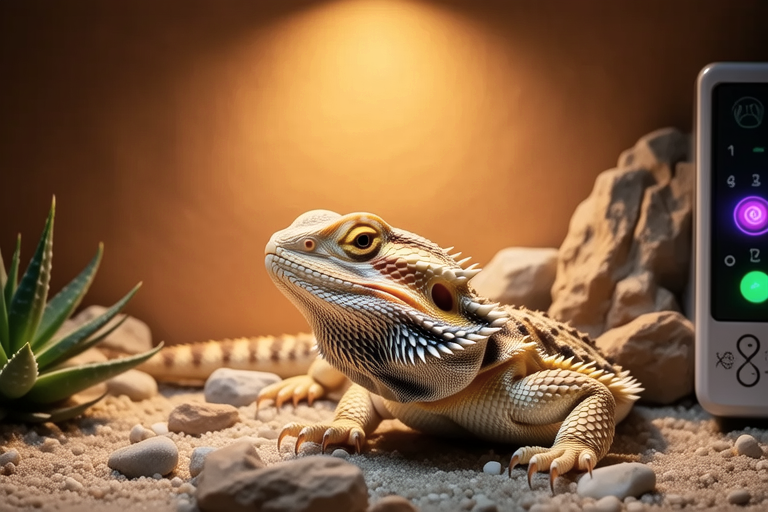
Transform Your Home into an Ideal Habitat for Your Bearded Dragon
Welcome to the wonderful world of bearded dragon ownership! These captivating reptiles make fantastic pets, but they require specific care to thrive. This comprehensive guide will walk you through creating the perfect habitat for your scaly companion, ensuring their health and happiness.
Optimal Tank Size Based on Bearded Dragon’s Age
The first step in building an ideal habitat is selecting the right tank size. For juvenile bearded dragons (under six months), a 20-gallon tank suffices. However, as they grow, so does their need for space. Adult bearded dragons require at least a 40-gallon tank or larger, providing ample room to move around and bask comfortably.
Suitable Substrate Options
Selecting the appropriate substrate is crucial for your bearded dragon’s health. Avoid using sand, which can cause impaction if ingested. Instead, opt for safer alternatives like reptile carpet, paper towels, or specially designed substrates such as calcium sand or coconut fiber. These options provide a safe and comfortable surface for your pet to explore.
Crucial Heating and Lighting Requirements
Bearded dragons are ectothermic, relying on external heat sources to regulate their body temperature. Proper heating ensures they digest food efficiently and maintain overall health. Install a high-wattage ceramic heat emitter or under-tank heater to maintain a basking spot temperature between 95°F and 110°F (35°C to 43°C). The cooler side of the enclosure should range from 75°F to 85°F (24°C to 29°C).
UVB lighting is equally important for calcium absorption and preventing metabolic bone disease. Use a 10% UVB bulb placed close to the basking area, ensuring it provides sufficient coverage. Replace bulbs every six months, even if they appear functional, to maintain optimal UV output.
Ideal Temperature Gradients
Maintaining a temperature gradient within the enclosure allows your bearded dragon to thermoregulate effectively. Position the basking spot on one end of the tank, with the cooler side on the opposite end. Utilize a digital thermometer with multiple probes to monitor these temperatures accurately.
Appropriate Hiding Spots and Decorations
Your bearded dragon needs places to retreat and feel secure. Incorporate caves, hollow logs, or artificial plants as hiding spots throughout the enclosure. Ensure these items are securely fastened to prevent accidental injuries. Additionally, add climbing structures like branches or rocks for enrichment and exercise.
Necessary Humidity Levels
Bearded dragons originate from arid environments, so maintaining low humidity levels is vital. Aim for humidity between 30% and 40%. Overly moist conditions can lead to respiratory issues and skin infections. Monitor humidity with a hygrometer and adjust ventilation or misting as needed.
Diet Considerations
A balanced diet supports your bearded dragon’s growth and well-being. Offer a variety of insects, such as crickets, dubia roaches, and mealworms, dusted with calcium powder and multivitamins. Include leafy greens like collard greens, dandelion leaves, and mustard greens. Supplement their diet with occasional fruits like papaya or mango for added nutrients.
Regular Health Checks
Monitor your bearded dragon closely for any signs of illness. Common indicators include lethargy, loss of appetite, abnormal feces, or changes in behavior. Schedule routine veterinary visits with a reptile-savvy veterinarian to ensure early detection and treatment of potential health issues.
Common Mistakes to Avoid When Setting Up the Habitat
Several pitfalls await inexperienced owners. Avoid overcrowding the enclosure with too many decorations, which can obstruct movement and create unsafe conditions. Ensure that all equipment is functioning correctly before introducing your bearded dragon. Regularly inspect the tank for wear and tear, replacing any damaged components promptly.
Tips for Maintaining a Clean and Healthy Environment
Keeping the habitat clean promotes your bearded dragon’s health and longevity. Spot clean daily, removing uneaten food and waste. Perform thorough cleaning once weekly, disinfecting all surfaces and accessories. Allow the enclosure to air dry completely before reintroducing your pet.
Additionally, quarantine new additions to the habitat, such as live plants or decorations, to prevent introducing unwanted pests or diseases. By following these guidelines, you’ll create a thriving environment where your bearded dragon can flourish.
Conclusion
Caring for a bearded dragon requires commitment and attention to detail. By providing an appropriately sized tank, suitable substrate, proper heating and lighting, adequate hiding spots, and a nutritious diet, you’ll set the stage for a happy and healthy life together. Remember, every bearded dragon is unique, so observe your pet closely and tailor their care accordingly.
With dedication and love, you’ll transform your home into an ideal habitat, ensuring your bearded dragon enjoys a long, fulfilling life. Happy herping!
