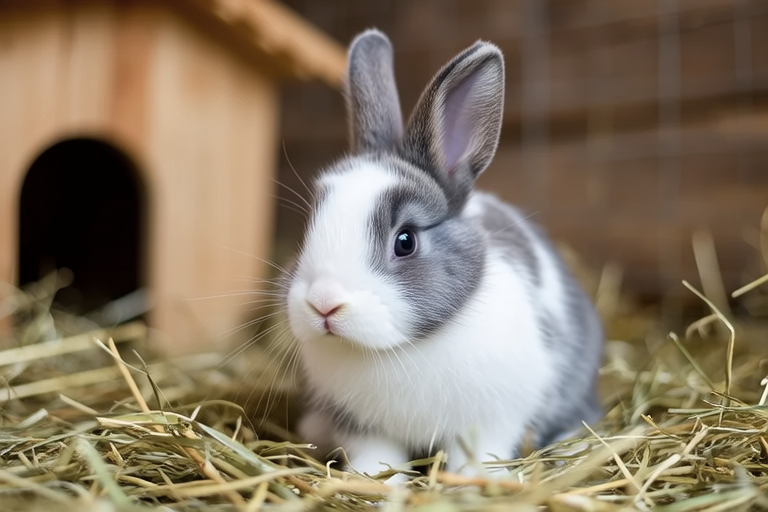
From Hopsy to Bunnie: A Dutch Dwarf Rabbit’s Life Journey
Dutch dwarf rabbits are among the most beloved pet rabbits due to their unique blend of charm, compact size, and striking appearance. These diminutive creatures typically weigh between 2 to 3 pounds, making them perfect for apartment living. Their coats come in a variety of colors and patterns, but the classic black-and-white Dutch marking is what truly sets them apart. Their gentle demeanor and friendly nature make them ideal companions for families and first-time pet owners alike.
The Early Days: Hopsy’s Beginnings
Hopsy was born into a litter of six in a cozy suburban home. Her mother, a seasoned breeder, ensured that each of her kits received the necessary care and attention. From the moment Hopsy opened her eyes, she displayed a curious and inquisitive nature. As she grew, her distinctive markings began to emerge, setting her apart from her siblings.
At just a few weeks old, Hopsy was introduced to her new home. The transition was seamless; she quickly adapted to her new surroundings, exploring every nook and cranny with her ever-curious nose. She was particularly drawn to soft blankets and plush toys, which became her favorite spots for napping and playing.
Early interactions with Hopsy were filled with laughter and joy. Her playful antics, such as chasing after a dangling string or nibbling on a carrot, were heartwarming. She was always eager to explore and engage with her human companions, forming a strong bond almost immediately.
Bunnie’s Transformation: Growth and Milestones
As Hopsy matured, she underwent a series of physical and behavioral changes. At around six months, she was officially named Bunnie, reflecting her transformation from a playful kit to a more composed adult. Her coat, once soft and fluffy, developed a sleeker texture, while her signature Dutch markings became more pronounced.
Bunnie’s personality also evolved during this time. She became more independent, spending longer periods of time in her own company. However, she still cherished her moments with her human family, often seeking out affection through gentle nuzzles and headbutts.
One of the most significant milestones in Bunnie’s life came when she reached adulthood. At this stage, she fully embraced her role as a companion, participating in daily routines and activities with her family. Her intelligence shone through as she learned to respond to simple commands and tricks, such as coming when called or sitting up on command.
Caring for Dutch Dwarf Rabbits: Tips and Advice
Proper care is essential for ensuring your Dutch dwarf rabbit leads a healthy and happy life. Here are some key tips:
Dietary Needs
A balanced diet is crucial for maintaining your rabbit’s health. The majority of their diet should consist of high-quality hay, which aids digestion and keeps teeth worn down. Fresh vegetables and fruits can be offered in moderation, while pellets should be provided in limited quantities to avoid obesity.
Water is equally important. Always ensure that your rabbit has access to fresh, clean water, whether through a sipper bottle or a shallow dish.
Exercise Requirements
Dutch dwarf rabbits require regular exercise to maintain their physical and mental well-being. Providing a spacious cage with plenty of room to move around is a good start, but it’s also important to allow them supervised playtime outside of their enclosure. This can include time in a rabbit-proofed room or a designated play area.
Interactive toys and tunnels can help stimulate their natural instincts and provide mental stimulation. Regular exercise helps prevent boredom and obesity, contributing to a longer, healthier life.
Grooming Practices
Rabbits shed regularly, so grooming is an essential part of their care routine. Brushing your rabbit weekly can help remove loose fur and prevent hairballs. Bathing should be avoided unless absolutely necessary, as rabbits can become stressed by water.
In addition to brushing, nail trimming is important to prevent overgrowth. Consult with a veterinarian if you’re unsure about how to safely trim your rabbit’s nails. Regular grooming sessions also offer an opportunity to check for any signs of illness or injury.
Reflections on the Journey: Bond and Challenges
The journey from Hopsy to Bunnie has been filled with love, laughter, and learning. The bond we’ve shared has deepened over time, marked by countless moments of joy and shared experiences. While there have been challenges—such as adapting to new environments and managing dietary restrictions—the rewards have far outweighed the difficulties.
Reflecting on our time together, it’s clear that owning a Dutch dwarf rabbit is a rewarding experience. They bring a unique blend of companionship, entertainment, and responsibility into one’s life. Whether it’s the soft purring sound they make when content or the gentle nudge of their nose against your hand, these small wonders continue to surprise and delight us every day.
For anyone considering adopting a Dutch dwarf rabbit, I would encourage you to embrace the adventure. With proper care, patience, and love, you’ll find that these delightful creatures will enrich your life in ways you never imagined.
