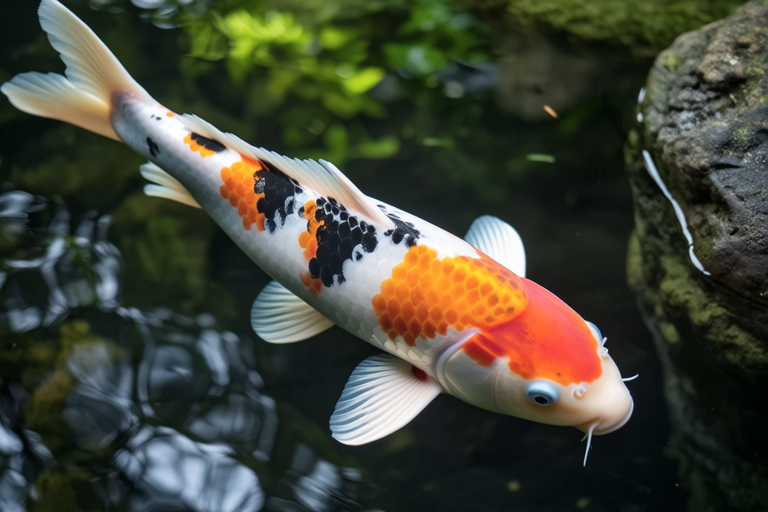
Unveiling the Majestic World of Koi: A Guide for Beginners
Welcome to the enchanting world of koi, a species that has captivated enthusiasts for centuries. Koi, or Nishikigoi as they are known in their native Japan, are ornamental varieties of common carp. These fish have been selectively bred for their vibrant colors and striking patterns, making them a favorite among aquarists and pond owners alike.
The Origins and Cultural Significance of Koi Fish
Koi fish have a rich history dating back over a thousand years. Originating from East Asia, particularly China and Japan, these fish were initially valued for their hardiness and adaptability. Over time, selective breeding transformed them into the colorful, patterned creatures we know today. In Japan, koi have become deeply embedded in cultural traditions, symbolizing good fortune, perseverance, and strength. The annual Niigata Koi Show, held in Japan, showcases the best of these magnificent fish, celebrating their beauty and the artistry behind their breeding.
Basics of Koi Care
Water Quality
Maintaining optimal water quality is paramount for the health and longevity of your koi. The pH level should ideally be between 7.0 and 8.0, slightly alkaline. Ammonia and nitrite levels must be kept at zero, while nitrate levels should be minimal. Regular water changes and proper filtration are essential. A well-functioning biological filter can help maintain these parameters by converting harmful ammonia into less toxic substances.
Feeding Your Koi
Proper nutrition is crucial for koi health. High-quality koi pellets or flakes designed for tropical fish are recommended. During warmer months, feed your koi several times daily, ensuring they finish each meal within a few minutes. As temperatures drop, reduce the frequency and amount of food. Avoid overfeeding, which can lead to poor water quality and health issues. Special winter and spring diets are available to support koi through seasonal changes.
Common Health Issues
Like any pet, koi are susceptible to various health problems. Common issues include fin rot, ich (white spot disease), and parasites. Regular observation and prompt action can prevent minor ailments from becoming serious. If you notice unusual behavior or physical symptoms, consult a veterinarian specializing in aquatic animals for diagnosis and treatment. Quarantine new arrivals for at least two weeks to avoid introducing diseases to your established pond.
Varieties of Koi and Their Distinguishing Features
Koi come in numerous varieties, each with unique coloration and patterns. Some popular types include:
- Shibunkin: Known for their red and white coloring, these koi are often mistaken for goldfish but are actually a variety of koi. They have a more elongated body compared to goldfish.
- Doitsu: Characterized by their lack of scales, Doitsu koi have a sleek, shiny appearance. They come in various colors and patterns, adding diversity to any pond.
- Tancho: Recognizable by their distinctive red crown on a white background, Tancho koi are highly sought after for their elegance and rarity.
Each variety offers something special, allowing pond owners to create stunning displays of color and pattern in their water gardens.
Setting Up a Suitable Pond Environment
Filtration Systems
A robust filtration system is vital for maintaining a healthy pond ecosystem. Mechanical filters remove debris and large particles, while biological filters convert harmful chemicals into less toxic substances. Chemical filters use media to absorb dissolved organic compounds. Consider the size of your pond and the number of koi when selecting a filtration system. Regular maintenance of the filtration system ensures its effectiveness and prolongs its lifespan.
Plant Selection
Incorporating plants into your pond not only enhances its aesthetic appeal but also provides benefits for your koi. Water lilies, lotus, and floating plants offer shade, reducing algae growth and providing hiding spots for koi. Submerged plants like hornwort and anacharis improve water quality by absorbing nutrients and producing oxygen. Plant selection should consider the specific needs of your pond and the preferences of your koi.
Maintaining a Healthy and Happy Koi Habitat
Creating and maintaining a thriving koi habitat requires dedication and attention to detail. Regular water testing, cleaning, and maintenance of equipment are essential. Seasonal adjustments to feeding and environmental conditions ensure the well-being of your koi throughout the year. By investing time and effort into creating a balanced ecosystem, you will enjoy a rewarding experience as a koi keeper.
Embrace the joy and satisfaction of watching your koi thrive in their natural environment. Whether you’re a seasoned enthusiast or just starting out, the journey of koi keeping offers endless opportunities for learning, enjoyment, and connection with nature.
