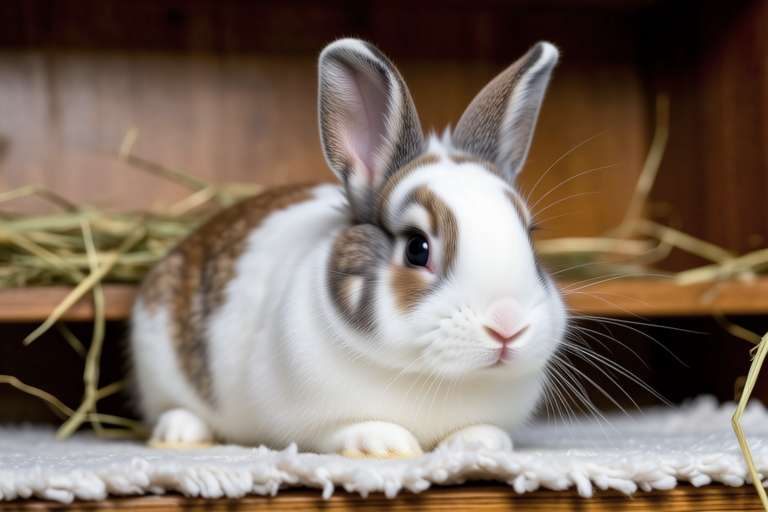
From Playful to Docile: Understanding the Unique Personality of Dutch Dwarf Rabbits
Dutch Dwarf Rabbits, known for their small size and striking appearance, have captured the hearts of many pet enthusiasts. Their distinctive coat patterns and gentle demeanor make them an ideal choice for families and first-time rabbit owners. However, what sets Dutch Dwarfs apart from other breeds is their unique temperament that can range from playful to docile, depending on various factors. This article aims to delve into the complexities of the Dutch Dwarf Rabbit’s personality, providing insights into their behavior, social interactions, and environmental influences. Additionally, it offers practical advice for owners on how to best interact with and care for these delightful creatures.
The Spectrum of Temperament: From Playful to Docile
Dutch Dwarf Rabbits exhibit a wide spectrum of temperaments, ranging from playful to docile. These variations are influenced by genetic predispositions, age, health, and individual experiences. Younger Dutch Dwarfs tend to be more energetic and curious, often displaying playful behavior. They enjoy exploring new environments and interacting with their surroundings. As they mature, their energy levels may decrease, leading to a more docile and calm demeanor. However, this is not a hard-and-fast rule, and some rabbits may remain playful throughout their lives.
Owners should be aware of these temperament variations to better understand their pets’ needs and provide appropriate stimulation and care. By recognizing the different facets of their personalities, owners can foster strong bonds with their Dutch Dwarfs and ensure they lead happy, healthy lives.
Typical Activities and Social Interactions
Dutch Dwarf Rabbits are active animals that require mental and physical stimulation to thrive. In their natural habitat, they would spend most of their day foraging for food, digging, and playing with other rabbits. Domesticated Dutch Dwarfs, while provided with a comfortable living environment, still need opportunities for exercise and play. Owners should provide safe toys, tunnels, and climbing structures to encourage physical activity and prevent boredom.
Social interactions are also crucial for Dutch Dwarfs. They are social animals that enjoy the company of their human caretakers and, if possible, other rabbits. It is essential to introduce Dutch Dwarfs to new companions gradually and under supervision to ensure positive interactions. Dutch Dwarfs can form strong bonds with their human families and may even seek out attention and affection. However, they may also display territorial behavior, especially towards unfamiliar individuals or animals. Owners should respect their pets’ boundaries and provide a secure space where they feel safe and comfortable.
Environmental Factors Influencing Personality Traits
The environment plays a significant role in shaping the personality of Dutch Dwarf Rabbits. A well-designed living space can help promote positive behavior and reduce stress. Dutch Dwarfs thrive in environments that offer a balance of safety, comfort, and stimulation. A spacious cage with plenty of room to move around is essential, as is providing access to a larger area for supervised outdoor time. Dutch Dwarfs enjoy being outside but should always be supervised and kept in a secure enclosure to prevent escape and protect them from predators.
Owners should also consider the temperature and lighting conditions in their rabbits’ living space. Dutch Dwarfs prefer cooler temperatures and should be kept away from direct sunlight or extreme heat. Providing a hiding spot or a darkened area within the cage can help Dutch Dwarfs feel secure and reduce stress. Regular exposure to natural light and a consistent daily routine can also contribute to their overall well-being.
Caring for Your Dutch Dwarf Rabbit
Understanding the unique personality of Dutch Dwarf Rabbits is crucial for providing proper care and ensuring their happiness and health. Owners should prioritize regular veterinary check-ups to monitor their pets’ health and address any concerns promptly. Dutch Dwarfs are prone to certain health issues, including dental problems, respiratory infections, and digestive disorders. Providing a balanced diet rich in hay, fresh vegetables, and pellets formulated for dwarf rabbits can help prevent these issues.
In addition to proper nutrition, Dutch Dwarfs require regular grooming to maintain their coat and skin health. Owners should brush their rabbits weekly to remove loose fur and prevent hairballs. Dutch Dwarfs with longer coats may require more frequent grooming. Bathing should only be done when necessary and should be performed with care to avoid stress or injury.
Toys and enrichment activities are also important for Dutch Dwarfs. Providing safe chew toys, tunnels, and climbing structures can help stimulate their minds and prevent boredom. Owners should rotate toys regularly to keep their pets engaged and interested. Dutch Dwarfs also enjoy interactive playtime with their human caretakers, such as playing hide-and-seek or training simple tricks. These activities can strengthen the bond between owner and pet and provide valuable mental and physical stimulation.
Building a Strong Bond with Your Dutch Dwarf Rabbit
Building a strong bond with your Dutch Dwarf Rabbit requires patience, consistency, and understanding. Owners should take the time to get to know their pets’ individual personalities and preferences. Some Dutch Dwarfs may be more outgoing and friendly, while others may be more reserved and cautious. Owners should respect their pets’ boundaries and avoid forcing interaction. Instead, they should allow their Dutch Dwarfs to approach them at their own pace.
Positive reinforcement training can also help build trust and strengthen the bond between owner and pet. Using treats and praise to reward desired behaviors can encourage Dutch Dwarfs to engage in training sessions and develop a positive association with their caretakers. Training can also provide mental stimulation and help prevent behavioral issues such as chewing or digging.
Finally, owners should prioritize spending quality time with their Dutch Dwarfs. Regular interaction, whether through playtime, grooming, or simply sitting together, can help Dutch Dwarfs feel loved and secure. By investing time and effort into building a strong bond, owners can ensure their Dutch Dwarfs lead happy, fulfilling lives.
Conclusion
Dutch Dwarf Rabbits are unique and fascinating creatures with personalities that range from playful to docile. Understanding the temperament variations, typical activities, social interactions, and environmental factors that influence their behavior is key to providing proper care and ensuring their happiness and health. By recognizing and respecting their individual personalities, owners can build strong bonds with their Dutch Dwarfs and provide them with the love and attention they deserve. With the right care and attention, Dutch Dwarf Rabbits can become cherished members of any family, bringing joy and companionship for years to come.
