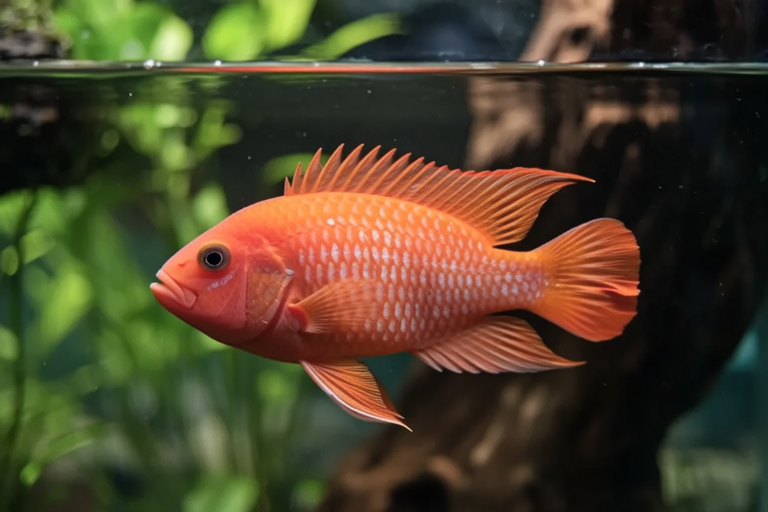
The Surprising Lifespan and Care Tips for Your Parrot Fish
Welcome to the fascinating world of parrot fish! These vibrant, colorful creatures have captured the hearts of many aquarium enthusiasts. Often mistaken for being just another pretty fish, parrot fish offer a rich tapestry of unique characteristics that make them stand out in any aquatic setting. This article will guide you through understanding these magnificent creatures, dispelling common myths about their lifespan, and providing essential care tips to ensure they thrive in your home aquarium.
Understanding Parrot Fish: More Than Just Colorful Creatures
Parrot fish belong to the family Scaridae, a group known for their distinctive beak-like mouths and striking hues. They are native to the warm waters of the Caribbean Sea and the western Atlantic Ocean, where they play a crucial role in maintaining coral reef ecosystems. In the wild, these fish are known for their ability to change colors and patterns, a trait that aids in communication and camouflage. However, when introduced to aquariums, they lose this ability due to the lack of natural stimuli.
One common misconception about parrot fish is that they are easy to care for. While they may seem like low-maintenance pets due to their hardy nature, proper care requires attention to detail. Another myth is that they have a short lifespan, which is far from the truth.
The Truth About Their Lifespan
Parrot fish can live up to 15 years in captivity under optimal conditions, though many do not reach this age due to poor care practices. In contrast, wild parrot fish can live up to 20 years, showcasing the importance of creating a suitable environment in captivity.
Factors such as diet, water quality, and tank size significantly influence their lifespan. The key is to mimic their natural habitat as closely as possible. This involves maintaining clean, stable water conditions and providing a varied diet that meets their nutritional needs.
Care Tips for Optimal Health
Dietary Needs
Parrot fish are omnivores, meaning they require a balanced diet of plant matter and protein. A typical diet should include high-quality flake food, pellets, and occasional treats like algae wafers or fresh vegetables. It’s important to avoid overfeeding, as excess food can lead to water pollution and health issues.
Tank Size and Setup
A minimum tank size of 75 gallons is recommended for a single adult parrot fish. Larger tanks provide more swimming space and help maintain better water quality. Decorations such as rocks and caves should be securely placed to prevent injury. Additionally, ensure there are no sharp edges or small openings that could trap the fish.
Water Quality
Maintaining pristine water conditions is crucial for the health of parrot fish. Regular water changes (about 20% weekly) and the use of a high-quality filtration system are necessary. Monitor pH levels, ammonia, nitrite, and nitrate regularly to ensure they remain within safe ranges. An ideal pH level for parrot fish is between 8.1 and 8.4.
Compatibility with Other Fish
Parrot fish are generally peaceful but can become territorial, especially during feeding times. They should be housed with similarly sized, non-aggressive species. Avoid keeping them with smaller fish, as parrot fish might view them as prey. Compatible tankmates include tangs, surgeonfish, and other large, docile species.
Common Health Issues and Prevention
Like all living beings, parrot fish are susceptible to certain health problems. Common issues include fin rot, ich (white spot disease), and swim bladder disorders. To prevent these, maintain a stress-free environment, feed a balanced diet, and quarantine new additions to the tank before introducing them.
If signs of illness appear, act promptly. Symptoms may include lethargy, loss of appetite, abnormal swimming behavior, or visible lesions. Consult a veterinarian specializing in exotic animals for proper diagnosis and treatment.
Enriching Their Environment
To enhance the longevity and well-being of your parrot fish, consider enriching their environment. Introduce interactive elements like floating plants or artificial seaweed. These provide hiding spots and stimulate natural behaviors. Rotate decorations periodically to keep the environment interesting.
Regularly observe your fish’s behavior and adjust the setup as needed. A mentally and physically stimulated parrot fish is likely to live longer and exhibit healthier traits.
Conclusion
Parrot fish are captivating creatures that bring beauty and life to any aquarium. By understanding their unique needs and providing proper care, you can ensure they live long, healthy lives. Remember, the key to successful parrot fish care lies in replicating their natural habitat as closely as possible. With dedication and attention to detail, you’ll enjoy the vibrant company of these delightful fish for many years to come.
