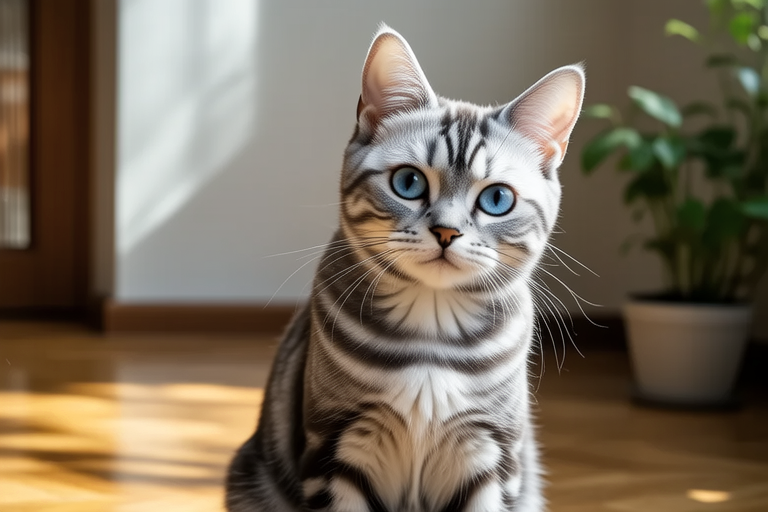
Unveiling the Secrets of Keeping Your American Shorthair Healthy and Happy
The American Shorthair is one of the most popular cat breeds due to its friendly demeanor, robust health, and low maintenance. Owning an American Shorthair can be a rewarding experience, but it requires commitment and knowledge to ensure they live a long, healthy, and happy life. This article will guide you through understanding your American Shorthair’s dietary needs, exercise requirements, grooming tips, common health issues, and ways to ensure their mental well-being. Additionally, we’ll explore their temperament and how best to interact with them for a strong bond.
Dietary Needs
A balanced diet is crucial for maintaining your American Shorthair’s overall health. High-quality cat food that provides essential nutrients such as proteins, fats, carbohydrates, vitamins, and minerals is recommended. Opt for food containing real meat as the primary ingredient, avoiding fillers like corn or soy. Consult your veterinarian about specific dietary needs based on your cat’s age, weight, and activity level. Avoid overfeeding; obesity can lead to various health problems, including diabetes and arthritis. Fresh water should always be available.
Exercise Requirements
American Shorthairs are moderately active cats that enjoy playing and exploring. Providing toys that stimulate both physical and mental activity is important. Interactive toys like laser pointers, feather wands, or automatic mouse toys encourage movement and hunting instincts. Puzzle feeders can also help keep your cat mentally engaged while eating. Climbing trees or cat towers provide vertical space for climbing and resting, which can satisfy their natural desire to climb and survey their surroundings. Regular playtime sessions of at least 15-20 minutes daily will help maintain their muscle tone and prevent boredom.
Grooming Tips
The American Shorthair has a short, dense coat that requires minimal grooming compared to long-haired breeds. However, regular brushing once or twice a week helps remove loose hair and prevents matting. During shedding seasons (spring and fall), increase the frequency to twice daily. Bathing should only be necessary occasionally, perhaps every few months, unless there’s a medical need. Use gentle, cat-specific shampoos and conditioners to avoid drying out their skin. Regular nail trimming, ear cleaning, and dental care are also essential for overall hygiene.
Common Health Issues
American Shorthairs generally have fewer genetic predispositions to certain diseases than other breeds, making them relatively healthy. However, some conditions are more common among this breed:
- Hypertrophic cardiomyopathy (HCM): A heart disease characterized by thickening of the heart muscle walls. Early detection through regular veterinary check-ups can improve prognosis.
- Polycystic kidney disease (PKD): An inherited disorder causing cysts to form within the kidneys. Genetic testing before breeding can help reduce incidence rates.
- Upper respiratory infections: Common cold-like symptoms caused by viruses or bacteria. Keep vaccinations up-to-date and maintain good hygiene practices.
Regular vet visits, preventive care, and prompt treatment when necessary are key to managing these potential health issues.
Mental Well-Being
Cats need mental stimulation to stay happy and healthy. Enrichment activities such as puzzle toys, treat-dispensing gadgets, and interactive games can keep their minds sharp. Rotate toys periodically to maintain interest. Consider providing a window perch or bird feeder outside so they can observe wildlife. Social interaction with family members or other pets enriches their lives too. Spend quality time each day playing together, talking softly, or simply sitting nearby. Positive reinforcement training techniques can teach tricks or commands, enhancing communication between owner and pet.
Temperament and Interaction
American Shorthairs are known for being affectionate yet independent cats. They tend to form strong bonds with their human companions but may not demand constant attention. These cats usually get along well with children and other household pets if introduced properly. To foster a strong bond, engage in regular play sessions, offer gentle handling, and respect their personal space. Understanding their body language—such as tail flicking or flattening ears—can help you gauge their mood and respond appropriately.
Conclusion
Owning an American Shorthair brings joy and companionship into your home. By meeting their dietary needs, ensuring adequate exercise, maintaining proper grooming routines, addressing common health concerns, and nurturing their mental well-being, you can ensure your cat lives a fulfilling life. Remember, each cat is unique, so tailor your approach based on individual preferences and behaviors. With love, patience, and consistent care, you’ll build a lasting relationship with your American Shorthair that promises many years of happiness.
