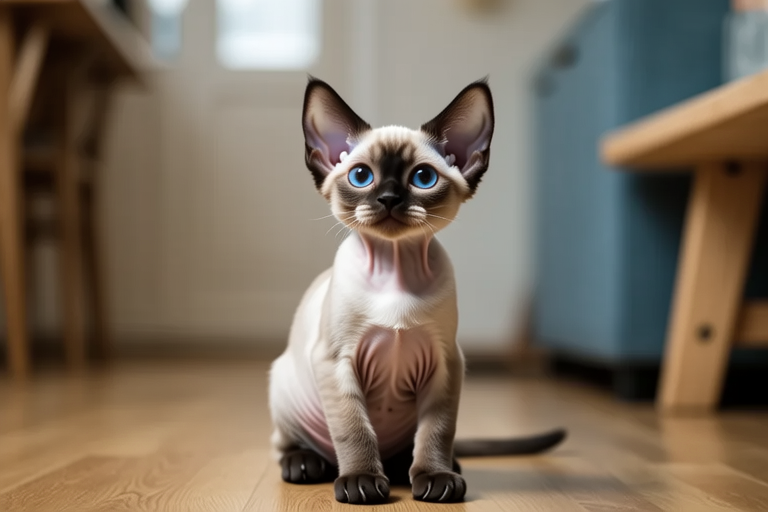
How to Care for Your Devon Rex: Tips from a Devoted Owner
Welcome to the world of Devon Rex cats! These unique felines are known for their soft, curly coats, large ears, and playful personalities. As a devoted owner, I understand the joy and challenges that come with caring for these intelligent and active creatures. In this article, I will share essential care tips, personal experiences, and practical advice to help you provide the best life possible for your Devon Rex.
Dietary Needs
Devon Rex cats have specific dietary requirements to maintain their health and vitality. High-quality cat food that meets the nutritional needs of your cat is crucial. Look for food that contains high-quality protein sources like chicken or fish, as well as essential vitamins and minerals. Avoid feeding your Devon Rex table scraps or human food, as these can lead to obesity and other health issues.
My Devon Rex, Luna, loves her wet food in the morning and dry food in the evening. Wet food provides moisture, which is important for hydration, especially if your cat doesn’t drink enough water. Dry food helps keep her teeth clean and provides mental stimulation through the act of chewing. Always ensure fresh water is available at all times.
Grooming
Devon Rex cats have a unique coat that requires minimal grooming compared to other breeds. Their short, curly fur is naturally oilier, so regular brushing can help prevent matting and excessive shedding. Use a soft-bristled brush or a rubber glove to gently remove loose hairs and distribute natural oils.
Despite their low-maintenance coat, it’s important to pay attention to their ears and nails. Devon Rex cats are prone to ear infections due to their large, floppy ears. Clean their ears weekly with a cotton ball and a gentle, vet-approved ear cleaner. Trim their nails every two weeks to prevent overgrowth and discomfort.
Luna enjoys our grooming sessions; she even purrs while we brush her. We’ve found that incorporating treats during grooming makes it a more enjoyable experience for her. This positive reinforcement helps build a bond and makes future grooming sessions easier.
Exercise and Playtime
Devon Rex cats are highly active and require plenty of exercise to stay healthy and happy. Interactive toys, such as feather wands or laser pointers, are great for stimulating their minds and bodies. Puzzle feeders can also be beneficial, providing mental stimulation and encouraging problem-solving skills.
Luna loves chasing after her favorite toy, a small stuffed mouse with a bell inside. She’ll pounce and play for hours, keeping herself entertained and burning off energy. It’s important to engage in playtime regularly, at least twice a day, to meet their physical and mental needs.
In addition to interactive toys, consider providing climbing structures or shelves for your Devon Rex to explore. They enjoy heights and can often be found perched on top of cabinets or furniture. Providing a variety of scratching posts can also help keep their claws in check and provide an outlet for their natural scratching behavior.
Healthcare
Regular veterinary check-ups are essential for maintaining your Devon Rex’s health. Schedule annual visits for vaccinations, dental care, and overall wellness checks. Be proactive about preventative care, such as flea and tick protection and heartworm medication.
Devon Rex cats are generally healthy, but they may be prone to certain genetic conditions, such as hypertrophic cardiomyopathy (HCM) and patellar luxation. Early detection and treatment of these conditions can improve your cat’s quality of life. Pay attention to any changes in behavior or physical appearance, and consult your veterinarian if you notice anything unusual.
Luna had some mild allergies when she was younger, which caused her skin to become irritated. Our veterinarian recommended hypoallergenic shampoos and dietary supplements to help manage her symptoms. Regular grooming and monitoring her skin condition has helped keep her comfortable and healthy.
Bonding Activities
Devon Rex cats are known for their affectionate nature and love spending time with their humans. Establishing a routine of daily interaction can strengthen your bond and provide emotional support for both you and your cat. Spend time petting, playing, and talking to your Devon Rex to foster a close relationship.
One of my favorite bonding activities with Luna is reading aloud to her. She curls up beside me on the couch, and we enjoy a quiet moment together. Another activity we enjoy is training her to perform simple tricks, such as sitting or rolling over. Positive reinforcement techniques, like clicker training, can be effective and rewarding for both you and your cat.
Managing Behavior Issues
Like all cats, Devon Rexes can exhibit behavior issues, such as aggression, destructive scratching, or litter box problems. Understanding the underlying cause of the behavior is key to addressing the issue effectively. For example, aggression may stem from fear or territoriality, while destructive scratching could be due to boredom or lack of appropriate scratching surfaces.
If your Devon Rex is scratching furniture or other household items, provide multiple scratching posts and encourage them to use them by placing treats nearby. Reward your cat with praise or a small treat when they scratch the post instead of the furniture. Consistency is crucial in training and behavior modification.
Luna went through a phase where she became overly vocal and demanding. We addressed this by ensuring she had plenty of toys and mental stimulation throughout the day. When she did vocalize, we ignored her until she calmed down, then rewarded her with attention and affection. Over time, her behavior improved, and she learned that calm behavior earned her more attention.
Creating a Stimulating Environment
Devon Rex cats thrive in environments that provide mental and physical stimulation. Enrichment activities, such as puzzle feeders, interactive toys, and hiding spots, can help keep your cat engaged and entertained. Rotate toys periodically to keep things interesting and prevent boredom.
Consider setting up a designated space for your Devon Rex, complete with a cozy bed, scratching post, and toys. This area should be easily accessible and inviting for your cat. Ensure that your home is safe and free of hazards, such as toxic plants, loose wires, or small objects that could be swallowed.
Luna has a special corner in our living room where she has her own bed, scratching post, and collection of toys. We rotate her toys every few days to keep her interested, and she loves exploring new spaces within the house. Providing a variety of textures and surfaces, such as blankets, pillows, and cardboard boxes, can also stimulate her senses and encourage exploration.
Why Devon Rex Cats Make Wonderful Companions
Devon Rex cats are truly one-of-a-kind pets, offering companionship, affection, and entertainment. Their playful, curious nature makes them delightful to watch and interact with. They are adaptable and can fit into various living situations, whether you live in a small apartment or a spacious home.
With proper care and attention, Devon Rex cats can live long, healthy lives, typically reaching 12-15 years of age. Their intelligence and social nature make them excellent companions for people of all ages, including families with children and other pets. Their affectionate demeanor and desire for human interaction make them ideal lap cats and cuddle buddies.
As a devoted owner, I can attest to the joy and fulfillment that comes from caring for a Devon Rex cat. Their unique characteristics and loving personalities make them a cherished part of many households. By following the care tips outlined in this article, you can ensure your Devon Rex lives a happy, healthy, and fulfilling life.
