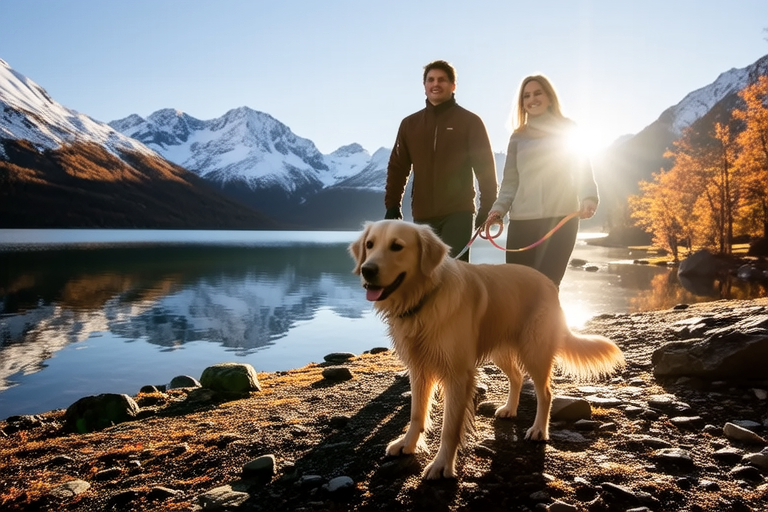
Diverse Lifestyles of Norwegian Pet Owners: Rural Fjords vs Urban Cities
Exploring the lifestyles of Norwegian pet owners reveals a rich tapestry of experiences shaped by their geographical locations. From the rugged beauty of rural fjord areas to the bustling streets of urban cities, the challenges, joys, and cultural influences on pet ownership differ significantly. This article delves into these contrasts, highlighting the unique aspects of pet care in both settings.
Unique Challenges and Joys in Rural Fjord Areas
In the rural fjord areas of Norway, pet ownership is deeply intertwined with the natural landscape. The vast, open spaces offer ample opportunities for outdoor activities, making it ideal for active pets like dogs. However, the harsh winters and isolated living conditions present unique challenges. For instance, maintaining a supply of pet food and veterinary services can be difficult during snowy months.
The joy of owning a pet in this environment lies in the strong connection to nature. Many pet owners in fjord areas share stories of their dogs accompanying them on hikes or fishing trips. One such story is that of Lars, who lives near the Geirangerfjord. His golden retriever, Finn, is an integral part of his daily routine, often joining him on boat rides to explore the fjord’s hidden coves.
Local Regulations and Popular Pet Types
Rural areas have specific regulations regarding pet ownership, particularly concerning livestock and wildlife protection. Many fjord communities have strict rules about keeping dogs off certain trails and beaches to prevent disturbances to local fauna. Popular pets in these areas include sheepdogs, which assist farmers in herding, and hunting breeds like spaniels and setters.
The cultural aspect of Norway’s rural areas emphasizes self-sufficiency and a close relationship with nature. This is reflected in pet care practices, where many owners raise their own food for their animals or use locally sourced products. The bond between humans and their pets is often stronger here, as pets are seen as companions in the daily struggle against the elements.
Urban City Environments: A Different Perspective
Contrasting with the rural fjord areas, urban city environments in Norway offer a different set of experiences for pet owners. Cities like Oslo and Bergen provide numerous parks and green spaces, but the limited space and high population density pose challenges. Finding suitable housing that accommodates pets can be difficult, especially for larger animals.
The joy of pet ownership in cities centers around community engagement. Pet owners frequently gather at local dog parks or participate in organized events. In Oslo, for example, there are annual dog shows and charity runs where participants bring their pets. These events foster a sense of belonging and shared interest among pet owners.
Community Engagement and Cultural Influences
Urban areas tend to have more formalized community engagement around pets. There are numerous pet clubs, training classes, and adoption centers. The cultural emphasis on equality and social responsibility in Norway extends to pet care, with many organizations advocating for animal welfare and responsible ownership.
Cultural aspects of Norway, such as its egalitarian society, also influence pet care in urban areas. Pets are often treated as family members, and many households have multiple pets. The bond between humans and their pets is celebrated through various festivals and events throughout the year. For instance, the city of Bergen hosts a yearly “Pet Day” where residents can bring their pets to a specially designated area for fun activities and health checks.
Comparative Analysis
While both rural and urban pet owners face unique challenges, they also share common joys. The love and companionship provided by pets transcend geographical boundaries. In rural areas, the bond is often strengthened by the shared struggle against harsh weather conditions, while in urban areas, it is reinforced through community engagement and shared experiences.
Local regulations play a significant role in shaping pet ownership in both settings. Rural areas focus on protecting wildlife and ensuring livestock safety, whereas urban areas emphasize public safety and property preservation. The cultural emphasis on self-sufficiency and equality in Norway ensures that pet care remains a priority for all citizens, regardless of location.
Conclusion
The diverse lifestyles of Norwegian pet owners highlight the adaptability and resilience of humans and their furry companions. Whether in the remote fjords or bustling cities, pets bring joy, companionship, and a sense of purpose to their owners’ lives. The unique challenges and joys of pet ownership in these contrasting environments underscore the deep bond between humans and their pets, a testament to the enduring relationship that transcends geography and culture.
