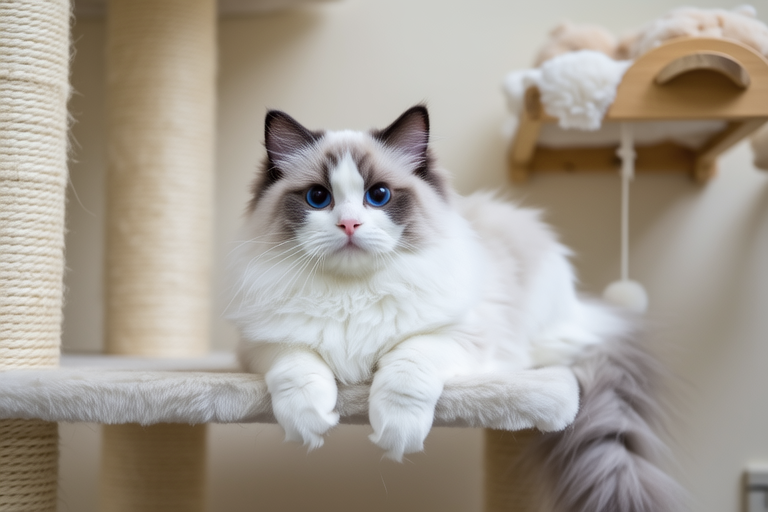
Ragdoll Cat Care Guide: Tips for Happy and Healthy Pets
Diet and Nutrition
Proper nutrition is fundamental to your Ragdoll cat’s health and longevity. These cats have specific dietary needs that must be met to ensure they maintain their energy levels and muscle tone.
- High-Quality Protein: Choose high-quality protein sources such as chicken, turkey, or fish to meet their nutritional needs.
- Age-Appropriate Food: Feed your Ragdoll cat age-appropriate food. Kittens need more calories and nutrients than adult cats, while senior cats may require less calorie-dense food.
- Hydration: Encourage your cat to drink plenty of water by providing fresh water daily and considering a water fountain if your cat prefers running water.
- Consultation with Veterinarian: Consult with your veterinarian about the best diet for your Ragdoll cat, especially if you’re introducing new foods or managing health conditions.
Grooming Needs
Ragdoll cats have semi-longhair coats that require regular grooming to prevent matting and hairballs.
- Brushing: Brush your Ragdoll cat at least twice a week to remove loose hair and prevent mats. Use a slicker brush or comb designed for long-haired cats.
- Bathing: Bathe your Ragdoll cat every three months or as needed. Use a cat-specific shampoo and conditioner to avoid skin irritation.
- Nail Trimming: Trim your cat’s nails every two weeks to prevent overgrowth and potential injuries.
- Toothbrushing: Brush your cat’s teeth regularly to maintain oral hygiene and prevent dental diseases.
Exercise Requirements
Ragdoll cats are known for their gentle and affectionate nature, but they still need regular exercise to stay healthy and active.
- Interactive Toys: Engage your Ragdoll cat with interactive toys like laser pointers, feather wands, or puzzle feeders to stimulate their minds and bodies.
- Climbing Structures: Provide climbing structures or cat trees to encourage climbing and stretching.
- Playtime: Spend at least 15 minutes each day playing with your Ragdoll cat to strengthen your bond and provide mental stimulation.
Common Health Issues
Like all breeds, Ragdoll cats can be prone to certain health issues. Early detection and management can help keep your cat healthy.
- Polycystic Kidney Disease (PKD): A genetic disorder that causes cysts to form on the kidneys. Regular veterinary check-ups can help monitor kidney function.
- Heart Disease: Ragdolls are predisposed to hypertrophic cardiomyopathy, a heart condition that can lead to sudden death. Monitor your cat for signs of heart disease and consult a veterinarian immediately if you notice any changes in behavior or health.
- Obesity: Maintain a healthy weight through proper diet and exercise to prevent obesity-related health issues.
Socialization Tips
Ragdoll cats are known for their friendly and social nature. Proper socialization can help them thrive in various environments.
- Early Exposure: Expose your Ragdoll kitten to different people, animals, and environments early on to promote confidence and adaptability.
- Positive Reinforcement: Use positive reinforcement techniques like treats, praise, and play to encourage good behavior and create a strong bond with your cat.
- Patience: Be patient when introducing your Ragdoll cat to new situations or people. Give them time to adjust and build trust.
Suitable Environments
Ragdoll cats enjoy calm and stable environments. Ensure your home provides a safe and comfortable space for your Ragdoll cat.
- Safe Spaces: Provide safe spaces where your Ragdoll cat can retreat when feeling overwhelmed or stressed.
- Secure Windows: Install secure window screens to prevent accidental falls from windows.
- Quiet Areas: Create quiet areas where your Ragdoll cat can relax and recharge.
Advice on Training
Training your Ragdoll cat can enhance their behavior and make them more enjoyable companions.
- Clicker Training: Use clicker training to teach your Ragdoll cat commands and tricks. Clicker training involves rewarding your cat with a treat or praise after they perform a desired behavior.
- Consistency: Be consistent with your training to reinforce positive behaviors and discourage negative ones.
- Praise and Rewards: Use praise and rewards to motivate your Ragdoll cat during training sessions.
By following these tips, you can ensure your Ragdoll cat leads a happy and healthy life. Remember, each cat is unique, so it’s essential to tailor your care routine to suit your pet’s individual needs.
