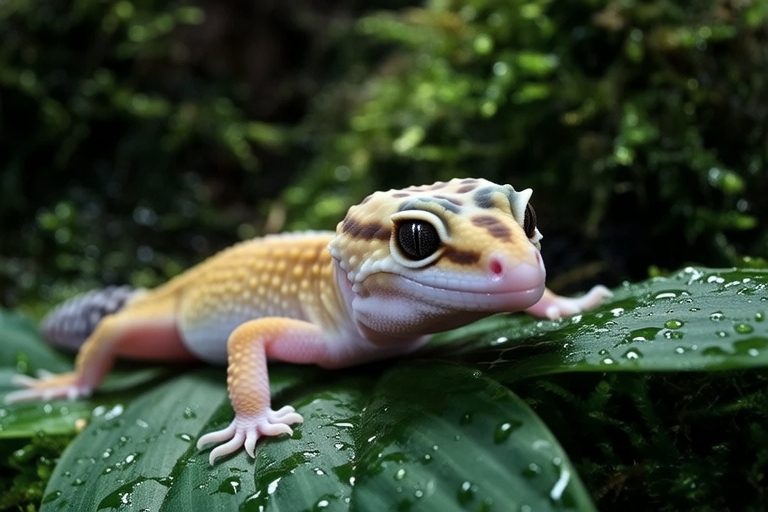
Chameleon Care Secrets: Tips from Experts on Keeping Your Reptile Happy and Healthy
Welcome to the fascinating world of chameleons! These unique reptiles are known for their vibrant color changes and their ability to blend into various environments. As a responsible pet owner, it’s essential to understand how to provide the best care for your chameleon to ensure its happiness and health. In this comprehensive guide, we will explore expert advice on creating an ideal habitat, providing a balanced diet, maintaining optimal temperature and humidity levels, ensuring proper lighting, handling techniques, addressing common health issues, and preventive care.
The Importance of Mimicking Natural Environments
Chameleons thrive when their living conditions closely resemble their natural habitats. Wild chameleons live in trees and bushes, where they bask in sunlight and search for food among the leaves. Therefore, it’s crucial to replicate these conditions as much as possible in captivity. This includes providing a spacious enclosure with plenty of branches and foliage, ensuring adequate ventilation, and maintaining appropriate temperature and humidity levels.
Proper Diet
A balanced diet is vital for your chameleon’s overall health. Chameleons are insectivores, meaning their primary source of nutrition comes from insects. However, not all insects are created equal. Experts recommend feeding your chameleon a variety of appropriately sized insects such as crickets, dubia roaches, silkworms, hornworms, and waxworms. It’s important to gut-load these insects before feeding them to your chameleon. Gut-loading involves feeding the insects nutritious foods like commercial insect gut-load diets or fresh vegetables to enhance their nutritional value.
In addition to insects, you can offer occasional treats like fruits and vegetables. However, these should be offered sparingly, as they lack the necessary protein and nutrients that chameleons need. Feeding too many fruits and vegetables can lead to digestive issues and malnutrition. Always remove any uneaten food after 30 minutes to prevent spoilage and contamination.
Habitat Setup
Creating a suitable habitat for your chameleon is one of the most critical aspects of its care. The enclosure should be large enough to allow the chameleon to move around freely and climb. A standard rule of thumb is to provide at least 2 feet of vertical space per foot of the chameleon’s length. For example, a 12-inch chameleon would require a minimum enclosure height of 24 inches. The width and depth of the enclosure should also be substantial to accommodate climbing structures and plants.
Inside the enclosure, include plenty of branches and vines for climbing and basking. Chameleons are arboreal creatures, meaning they spend most of their time in trees. Providing a variety of climbing surfaces will encourage natural behavior and promote exercise. Additionally, include live or artificial plants to mimic the chameleon’s natural environment. Live plants not only add aesthetic appeal but also help maintain humidity levels and provide hiding spots.
Ensure the enclosure has adequate ventilation to prevent the buildup of harmful bacteria and mold. Poor ventilation can lead to respiratory issues and other health problems. Proper airflow can be achieved by leaving the top of the enclosure open or installing a screen top. Avoid overcrowding the enclosure with too many decorations, as this can restrict movement and make it difficult for the chameleon to find a comfortable spot.
Temperature and Humidity Requirements
Maintaining the correct temperature and humidity levels is crucial for your chameleon’s well-being. Chameleons are ectothermic, meaning they rely on external heat sources to regulate their body temperature. The ideal daytime temperature range for most chameleons is between 75°F and 90°F (24°C to 32°C). Nighttime temperatures can drop slightly, but should never fall below 65°F (18°C).
To achieve these temperatures, use a combination of heat lamps and ambient room temperature. Place a basking lamp on one side of the enclosure to create a warm spot where the chameleon can bask. Position the lamp so that the basking spot reaches the desired temperature, usually around 90°F (32°C). The other side of the enclosure should remain cooler, allowing the chameleon to thermoregulate by moving between warmer and cooler areas.
Humidity is equally important for chameleons, as it helps keep their skin hydrated and prevents dehydration. Most chameleons prefer humidity levels between 40% and 70%. You can increase humidity by misting the enclosure daily, using a hand-held spray bottle or an automatic mister. Another effective method is to place a water dish in the enclosure, which can also serve as a drinking source. Ensure the water dish is shallow and placed away from the basking area to avoid overheating the water.
Lighting Needs
Chameleons require specific types of lighting to meet their physiological needs. Full-spectrum UVB lighting is essential for calcium absorption and bone health. Without adequate UVB exposure, chameleons can develop metabolic bone disease, leading to weakened bones and other serious health issues. Choose a high-quality UVB bulb designed for reptiles and replace it every six months, even if it still appears to be functioning, as UVB output diminishes over time.
Besides UVB lighting, chameleons also benefit from full-spectrum UVA light, which promotes natural behaviors and aids in digestion. Full-spectrum bulbs should be placed close to the basking area to ensure maximum effectiveness. It’s important to position the lights correctly and at an appropriate distance from the chameleon to prevent overheating. Consult the manufacturer’s instructions for the recommended mounting height.
Remember to turn off the lights at night to mimic natural day-night cycles. Chameleons require periods of darkness for rest and recovery. Use a timer to automate the lighting schedule, ensuring consistent day and night cycles. If necessary, you can use a red or blue nighttime light to monitor your chameleon without disturbing its sleep.
Handling Techniques
While chameleons are fascinating creatures, they are not particularly fond of being handled. Unlike some other reptiles, chameleons are more solitary and prefer to spend most of their time in their enclosure. Handling should be kept to a minimum and done carefully to avoid stress and injury.
If you must handle your chameleon, always support its entire body, including its tail. Never grab or squeeze the chameleon, as this can cause injury. Instead, gently scoop it up from behind, supporting its body with both hands. Be cautious when approaching your chameleon, as sudden movements can startle it. Allow it to become accustomed to your presence before attempting to handle it.
It’s important to note that chameleons can become stressed easily, especially when exposed to loud noises or unfamiliar environments. Limit handling sessions to short durations, and always return your chameleon to its enclosure promptly. Over time, your chameleon may become more comfortable with handling, but it’s essential to respect its boundaries and provide a safe, low-stress environment.
Common Health Issues and Preventive Care
Despite your best efforts, chameleons can still experience health issues. Recognizing the signs of illness and taking preventive measures can help ensure your chameleon remains healthy and happy.
One of the most common health issues in chameleons is metabolic bone disease (MBD), caused by a lack of calcium and vitamin D3. Symptoms of MBD include lethargy, swollen limbs, and difficulty moving. To prevent MBD, ensure your chameleon receives adequate UVB lighting and a balanced diet rich in calcium. You can also dust feeder insects with a calcium supplement containing vitamin D3 twice a week.
Another prevalent issue is respiratory infections, often resulting from poor hygiene or improper husbandry practices. Signs of respiratory infection include nasal discharge, wheezing, and labored breathing. Maintaining clean enclosures, proper ventilation, and appropriate humidity levels can help prevent respiratory infections. If you suspect your chameleon has a respiratory infection, consult a veterinarian specializing in reptiles immediately.
Preventive care is key to keeping your chameleon healthy. Regular veterinary check-ups, proper nutrition, and a clean, well-maintained enclosure can go a long way in preventing illnesses. Keep a close eye on your chameleon’s behavior and appearance, and address any concerns promptly. Early intervention can make a significant difference in treating and managing health issues.
Debunking Common Myths About Chameleon Care
There are several misconceptions about chameleon care that can lead to improper husbandry practices. Let’s address some of the most common myths:
- Myth: Chameleons change color to match their surroundings. While chameleons are known for their vibrant color changes, they do not change color to blend in with their environment. Instead, they alter their color to communicate, regulate body temperature, and express emotions.
- Myth: Chameleons don’t need water dishes. While chameleons primarily obtain water through misting and rain, providing a shallow water dish can still be beneficial. It offers an additional water source and encourages natural drinking behavior.
- Myth: Chameleons can survive on a diet of fruit and vegetables. Chameleons are insectivores and require a diet rich in protein and nutrients found in insects. Offering fruits and vegetables as the primary diet can lead to malnutrition and health problems.
Conclusion
Providing excellent care for your chameleon requires attention to detail and a commitment to replicating its natural environment. By following expert advice on proper diet, habitat setup, temperature and humidity requirements, lighting needs, handling techniques, and preventive care, you can ensure your chameleon leads a happy and healthy life. Remember, chameleons are sensitive creatures that thrive in environments that closely mimic their wild habitats. With the right care, your chameleon can be a wonderful companion for years to come.
